
Choosing the best Four-Wheel Vehicle for 2026 requires more than comparing horsepower, screens, or showroom design. Global buyers face different roads, fuel prices, charging networks, weather conditions, and repair systems. A vehicle that feels ideal in Berlin may struggle on rural roads in Kenya or during winter in Canada.
The International Energy Agency’s Global EV Outlook 2025 reports that electric car sales are expected to exceed 20 million worldwide in 2025. Electric vehicles may represent more than one-quarter of global car sales. This signals a major market shift, but adoption remains uneven. Deloitte’s 2025 Global Automotive Consumer Study also shows that buyers still value affordability, reliability, safety, and practical ownership costs. Range matters. So does finding a working charger beside a supermarket or highway rest stop.
Mary Barra, General Motors Chair and CEO, has said, “The auto industry is changing faster than it has in the last 50 years.” Her observation frames this 2026 review. Leading vehicles must balance electrification, efficiency, software, comfort, and dependable service. No ranking is perfect. Data can hide regional differences, and advertised range may disappoint in traffic, cold weather, or heavy loads. Therefore, this guide examines real-world usability, safety technology, cabin practicality, operating costs, and global availability. The strongest choices are not always the flashiest. They are the vehicles that remain useful after the first exciting drive.
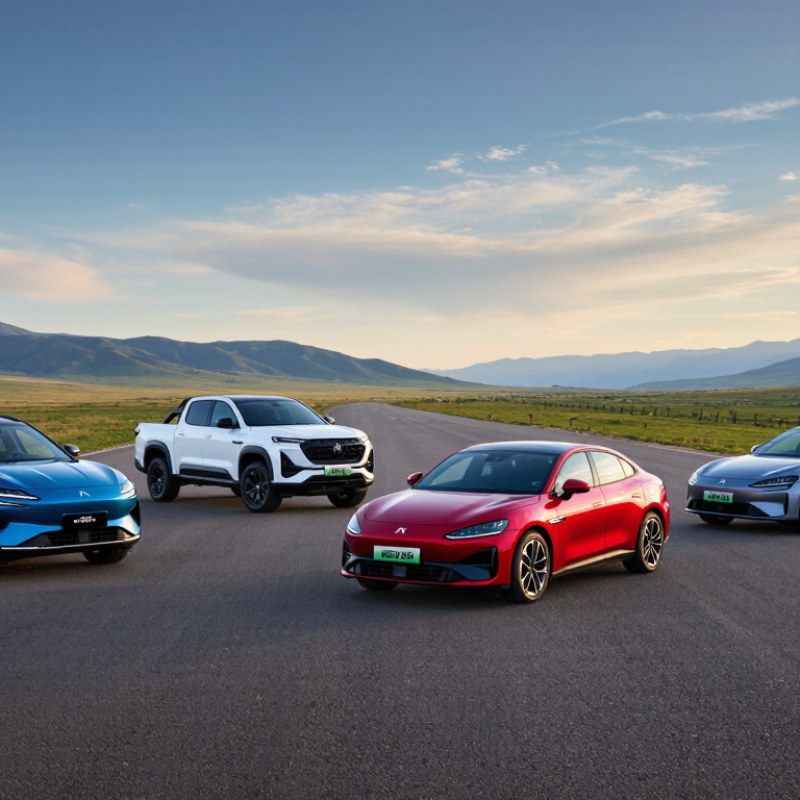
A top four-wheel vehicle begins with dependable protection, not a glossy dashboard. Independent crash testing should assess adult occupants, children, cyclists, and emergency braking. The World Health Organization reports about 1.19 million annual road deaths, making collision avoidance a practical buying measure. Buyers should also check real stopping performance, clear visibility, stable handling, and proven restraint systems. Safety claims need independent evidence.
Efficiency now includes energy use, service costs, and local infrastructure. The International Energy Agency’s Global EV Outlook 2025 recorded more than 17 million electric car sales in 2024, exceeding one-fifth of global sales. Yet a vehicle with a large battery may be unsuitable where charging is unreliable.
Hybrid and efficient combustion models can remain sensible in remote regions. Range figures still feel optimistic in cold weather, heavy traffic, or with a full load.
Deloitte’s 2025 Global Automotive Consumer Study shows that quality and reliability remain major purchase priorities across markets. A top vehicle should offer durable materials, accessible repairs, transparent software updates, and replacement parts that local technicians can obtain. J.D. Power’s 2025 U.S. Initial Quality Study reported 192 problems per 100 vehicles during the first 90 days, showing that digital complexity can create fresh ownership problems. I would not judge a vehicle by screen size alone. A quiet cabin is pleasant, but predictable brakes and a working climate system matter more on a long rural journey.
2026 Top Four-Wheel Vehicles for Global Buyers?
Compact cars remain practical in dense cities, where narrow streets and limited parking shape daily travel. Their low operating costs help households manage fuel, maintenance, and insurance expenses. In coastal regions, corrosion protection deserves close attention. A short test drive is not enough.
Sport utility vehicles and crossovers suit families moving between urban roads and uneven rural routes. Higher ground clearance helps on gravel, flooded lanes, and rough construction areas. However, larger bodies can increase fuel use and parking difficulty. Buyers should check local road widths and repair access.
Pickups serve agriculture, construction, and small businesses that carry tools or materials every day. Payload ratings matter more than appearance. A reinforced bed, stable suspension, and reliable braking support safer work. In snowy regions, four-wheel traction can improve control, but it cannot replace suitable tires or careful driving. Cargo vans support delivery services, mobile workshops, and community transport across expanding cities. Their enclosed storage protects equipment from heat, dust, and sudden rain. Electric versions may reduce urban noise and operating costs, although charging networks remain uneven between countries. Range can fall sharply in cold weather. That point is often underestimated. Traditional utility vehicles still fit remote areas with weak infrastructure, yet buyers should examine emissions rules, parts availability, and technician training before purchase. These details vary widely, and my own preference would change after inspecting the vehicle’s service records and the actual roads it must handle.
| Vehicle Category | Typical Seating or Payload | Common Powertrain Options in 2026 | Typical Operating Range or Capability | Major Global Applications | Key Advantages | Main Purchase Considerations |
|---|---|---|---|---|---|---|
| Compact Passenger Cars | 4–5 occupants; approximately 300–500 kg of usable passenger and luggage load | Petrol, hybrid, plug-in hybrid, and battery-electric powertrains | Usually 4.0–4.6 m long; efficient urban and intercity mobility; battery-electric versions commonly offer approximately 250–500 km of rated range, depending on battery size and test cycle | Urban commuting, family transportation, ride-hailing, rental fleets, and intercity travel in areas with developed road networks | Low operating cost, easy parking, efficient energy use, and broad suitability for densely populated cities | Rear-seat and luggage space, charging access, road clearance, winter performance, and local safety requirements |
| SUVs and Crossovers | 5–7 occupants; approximately 400–700 kg of passenger and luggage load | Petrol, diesel in selected markets, hybrid, plug-in hybrid, and battery-electric powertrains | Usually 4.3–5.2 m long; ground clearance commonly about 170–230 mm; some versions provide all-wheel drive and light off-road capability | Family use, long-distance travel, suburban mobility, rough urban roads, mountainous regions, and mixed road conditions | Flexible cabin layouts, higher seating position, stronger road-clearance capability, and wide climate suitability | Higher purchase price and energy consumption than comparable cars; turning radius, tire costs, and charging infrastructure for electric versions |
| Pickup Trucks | 2–6 occupants; approximately 700–1,500 kg payload; towing capacity varies widely by configuration | Petrol, diesel, hybrid, and battery-electric powertrains | Often 5.0–6.0 m long; commonly available with rear-wheel drive or four-wheel drive; designed for cargo, towing, and uneven terrain | Agriculture, construction, mining support, forestry, utility maintenance, disaster response, and personal recreation | Open cargo bed, strong load-carrying ability, towing flexibility, and suitability for remote or poorly surfaced roads | Payload decreases when carrying passengers or towing; size may be difficult in dense cities; fuel or charging availability is important in remote areas |
| Light Commercial Vans | 2–3 occupants in cargo versions; approximately 700–2,000 kg payload; passenger versions may seat 8–15 people | Diesel, petrol, hybrid, and battery-electric powertrains | Typical cargo volume of approximately 5–20 m³; low-floor and high-roof configurations are available; electric range depends strongly on load, temperature, and route conditions | Parcel delivery, urban logistics, mobile workshops, small-business transport, public services, and passenger shuttles | Large enclosed cargo space, easy loading, fleet standardization, and strong productivity on planned routes | Payload and range can be affected by heavy cargo; fleet buyers should evaluate charging downtime, service support, and access restrictions in low-emission zones |
| Medium and Heavy Trucks | Approximately 3,500 kg to more than 40,000 kg gross vehicle weight, depending on axle configuration and regulations | Diesel remains common for long-haul work; battery-electric and other low-emission systems are increasingly used on urban and regional routes | Designed for high payloads, multi-axle operation, and long duty cycles; range and capacity depend on body type, road conditions, and national weight limits | Long-haul freight, ports, distribution centers, construction, waste collection, agriculture, and regional logistics | High freight productivity, modular body configurations, and suitability for continuous commercial operation | Acquisition cost, regulatory compliance, driver availability, maintenance support, route length, charging or refueling infrastructure, and total cost of ownership |
| Buses and Minibuses | Approximately 8–30 occupants for minibuses; larger buses may carry 40 or more seated and standing passengers, subject to local regulations | Diesel, compressed natural gas, hybrid, battery-electric, and other low-emission systems depending on route requirements | Configured for frequent stops, high passenger turnover, and urban or intercity service; battery-electric suitability is strongest on predictable routes with depot charging | Public transit, school transport, employee shuttles, tourism, airport transfers, healthcare access, and rural connectivity | High passenger capacity, efficient shared mobility, adaptable interior layouts, and potential reduction in urban congestion | Passenger safety, accessibility, route length, climate control, depot facilities, operating permits, and lifecycle maintenance costs |
| Special-Purpose Four-Wheel Vehicles | Varies by mission; commonly 1–6 occupants with equipment, tools, or emergency payload | Petrol, diesel, hybrid, battery-electric, and other systems selected for duty cycle and operating environment | May include high-clearance, four-wheel-drive, reinforced, refrigerated, ambulance, utility, or emergency-response configurations | Emergency services, medical response, public works, utilities, field research, security, environmental monitoring, and remote-area operations | Purpose-built functionality, enhanced durability, specialized equipment integration, and operation in demanding environments | Customization cost, spare-parts availability, operator training, legal certification, reliability under extreme conditions, and limited resale flexibility |
| Global Buyer Selection Priorities | Matched to occupants, payload, towing needs, and annual operating hours | Selected according to fuel availability, electricity supply, emissions rules, and route profile | Capability should be assessed using real payload, temperature, terrain, traffic, and charging or refueling conditions | Urban, rural, commercial, industrial, public-service, and cross-border applications require different vehicle specifications | Best value is determined by total cost of ownership rather than purchase price alone | Compare safety regulations, warranty coverage, service network, parts availability, taxation, import rules, resale value, and local infrastructure |
| Note: Specifications are representative global ranges rather than a single product specification. Actual seating, payload, dimensions, range, emissions, and legal operating limits vary by vehicle configuration, market regulations, test cycle, climate, road conditions, and load. | ||||||
In 2026, global buyers will compare four-wheel vehicles by use, not showroom excitement. In Europe, compact electric hatchbacks suit narrow streets and strict urban emissions zones. A realistic range of 250 to 350 miles can cover weekly commuting, if winter heating is considered. In North America, midsize hybrid SUVs remain practical for long distances and family cargo. Their quiet powertrains help in traffic, while sturdy suspension matters on rough county roads. Prices may begin near $30,000 and rise beyond $55,000 before local taxes.
Across Asian cities, small electric crossovers offer easier parking and lower running costs. Buyers should inspect rear-seat space carefully; glossy interiors can hide cramped legroom. In Australia, South America, and parts of Africa, durable four-wheel-drive vehicles still serve farms, trails, and remote roads. Ground clearance, tire availability, and cooling performance may matter more than a large screen. Prices vary widely after import duties and shipping. Local service support becomes part of the vehicle’s true cost.
For premium travel, large electric SUVs provide smooth acceleration and useful driver assistance. Yet charging access can limit their value outside major corridors. Independent road tests, safety ratings, battery warranties, and repair networks deserve close checking. Ask for verified energy consumption, not optimistic laboratory figures. A vehicle can feel advanced but remain inconvenient. Budget for tires, insurance, software subscriptions, and seasonal maintenance. No regional ranking is perfect. Roads, incomes, and family habits change the result. Even an excellent model may disappoint when its nearest repair center is hundreds of miles away.
Powertrains now shape cost, range, and daily confidence. The IEA’s Global EV Outlook 2025 reports over 17 million electric cars were sold worldwide in 2024. That represented more than one-fifth of new car sales. Battery-electric vehicles suit predictable urban charging. Plug-in hybrids offer flexibility when public chargers remain scarce. Yet cold weather, heavy loads, and fast driving can reduce real-world range. That matters.
Safety technology deserves careful inspection, not fashionable language. The World Health Organization estimates that road crashes kill about 1.19 million people annually. Buyers should look for proven automatic emergency braking, blind-spot monitoring, adaptive cruise control, and strong pedestrian protection. Euro NCAP testing also evaluates driver assistance and crash performance. However, sensors can struggle with glare, rain, or faded lane markings. A quiet warning system is not always a reliable one.
Efficiency depends on more than the powertrain label. The U.S. Environmental Protection Agency’s Automotive Trends Report tracks fuel economy, carbon dioxide output, and vehicle weight across new models. Lower mass usually helps consumption, but large batteries can offset that advantage. Practical details matter: heat-pump climate control, regenerative braking, efficient tires, and clear energy displays. Software updates may improve performance, though owners should question long-term support. I would also test the rear-seat space, charging cable storage, and winter usability before trusting laboratory figures.
The best four-wheel vehicle is not always the most powerful or expensive. Ownership value depends on daily use, local roads, repair access, and long-term costs. A careful comparison should include purchase price, fuel or electricity use, insurance, registration fees, scheduled servicing, and likely resale value. These costs can vary sharply between countries. A vehicle that seems affordable in one market may become costly where parts are imported or qualified technicians are scarce.
Look beyond the showroom. Measure luggage space with real items, such as a stroller, tool case, or two large bags. Test visibility on narrow roads and comfort during a one-hour drive. Check ground clearance for rough streets, flood-prone areas, or rural routes. Safety equipment matters, but buyers should confirm local testing standards and available service support. No spreadsheet is perfect. Weather, driving habits, and unexpected repairs can change the result.
Tips: Request a written maintenance schedule and warranty terms. Compare tire sizes, battery replacement policies, and common repair prices. Ask local owners about parts waiting times. Review fuel or charging access along your regular routes. Leave room for uncertainty; a realistic budget should include emergency repairs and insurance changes. A lower monthly payment may still hide higher lifetime spending. This is where many comparisons go wrong.