2026 Top Trends in Renewable Energy Systems for Sustainable Future?
As we approach 2026, the landscape of renewable energy systems is rapidly evolving. Experts note an urgent need to integrate sustainable practices into our energy infrastructure. Dr. Emily Carter, a leading specialist in renewable energy technology, emphasizes, "The future of our planet relies on innovative renewable energy systems." Her words resonate deeply as we witness the growing global challenges of climate change.
In this dynamic field, trends indicate a shift toward more efficient energy solutions. Innovations in solar, wind, and battery storage are transforming how we harness power. However, not all advancements are flawless. Some renewable energy systems face issues such as high costs and intermittent supply. Addressing these challenges is crucial for a sustainable future.
The road to 2026 will require collaboration among governments, businesses, and communities. It’s not just about technology; it’s also about generating awareness. Engaging the public in discussions surrounding renewable energy systems can foster support for sustainable initiatives. Opportunities for improvement exist, and we must actively seek them out. Every step towards a cleaner future is essential, but reflection on our methods is equally important.
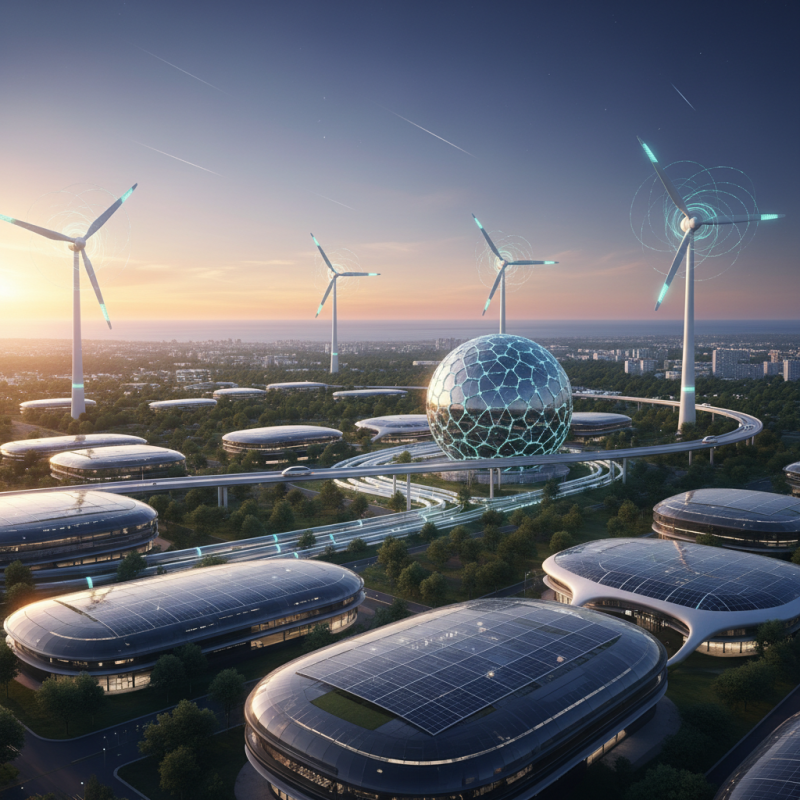
Future of Solar Energy: Projected 200 GW Capacity Growth by 2026
The future of solar energy looks promising. By 2026, experts predict a capacity growth of 200 GW. This growth could significantly transform the renewable energy landscape. Solar energy offers a clean alternative to fossil fuels. More installations will lead to greater energy independence.
However, challenges remain. Not all regions receive the same amount of sunlight. This variability can affect solar energy production. Moreover, the technology to store solar energy isn’t perfect yet. Energy storage systems need improvement to enhance reliability.
Investing in solar infrastructure is crucial. Communities must also embrace this change. Public awareness is key. Supporting local initiatives can boost solar adoption. There will be bumps in the road, but the potential rewards are immense. A sustainable future depends on our commitment today.
2026 Top Trends in Renewable Energy Systems for Sustainable Future
| Trend |
Description |
Projected Capacity (GW) |
Growth Rate (%) |
| Solar Energy |
Significant growth in distributed solar installations and utility-scale projects. |
200 |
15 |
| Wind Energy |
Expansion of offshore wind turbine installations to harness stronger winds. |
90 |
12 |
| Energy Storage |
Advancements in battery technologies for improved grid stability and efficiency. |
150 |
20 |
| Hydrogen Power |
Increased investment in green hydrogen production for versatile energy solutions. |
50 |
25 |
| Smart Grids |
Integration of digital technologies for enhanced energy management and efficiency. |
N/A |
18 |
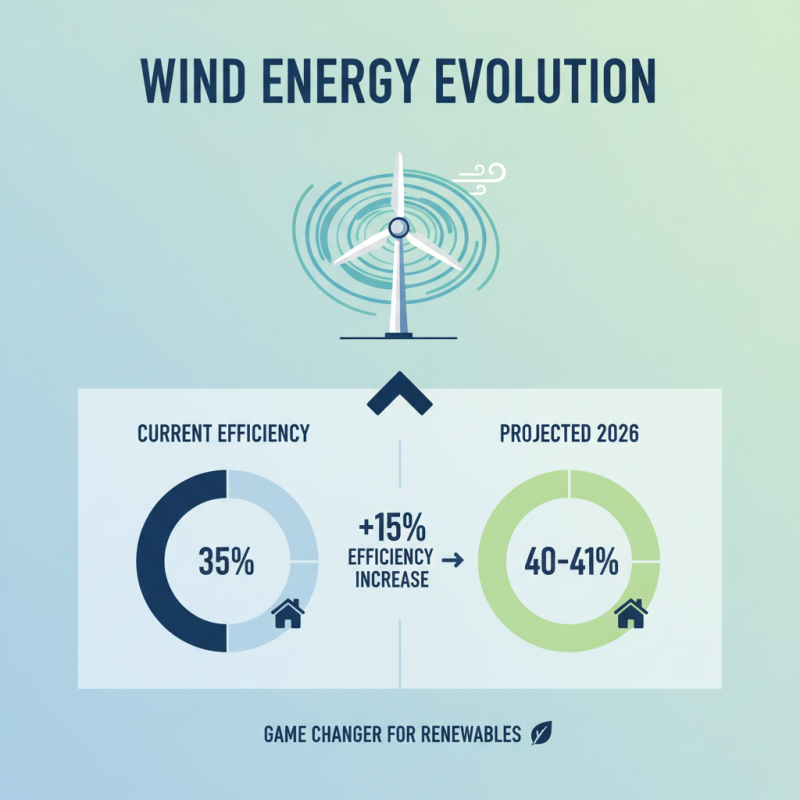
Advancements in Wind Energy: Anticipated 15% Efficiency Increase by 2026
The wind energy sector is on the brink of significant evolution. A recent report predicts a remarkable 15% efficiency increase by 2026. This improvement could change the game for renewable energy sources. Currently, wind turbines convert around 35% of wind energy into electricity. The anticipated advancements may push that figure to approximately 40-41%.
Technological innovations play a critical role. Enhanced blade designs and advanced materials contribute to increased efficiency. It is important to note, however, that not all regions will benefit equally. Areas with consistent wind patterns will see more gains. Meanwhile, regions with lower wind speeds will face challenges. Additionally, while investment in R&D has grown, some projects still struggle with financing.
Despite these challenges, the outlook remains optimistic. The global wind energy capacity reached over 650 gigawatts in 2022. This figure is meant to double by 2030. Sustainability goals rely on these advancements. However, we must reflect on the ecological impacts of large wind farms. Wildlife disruption remains a concern. Balancing efficiency and environmental protections is essential for truly sustainable growth.
Emerging Technologies in Energy Storage: 60% Cost Reduction by 2026
As we approach 2026, energy storage technology is set to transform the renewable energy landscape. Experts predict a staggering 60% cost reduction in energy storage systems. This change could make renewable energy more accessible. Lower costs may inspire investment in solar and wind power projects. Homeowners could benefit, too.
However, we must reflect on the challenges. Reducing costs is promising, but reliability remains a concern. Not all regions have equal access to renewable sources. Some areas still rely heavily on fossil fuels. This dependence complicates the transition to cleaner energy. The infrastructure needs significant upgrades.
Emerging technologies show potential, but are they scalable? Energy storage systems must be efficient and sustainable. Innovations like solid-state batteries and advanced lithium-ion options are in the spotlight. Still, the environmental impact of materials used deserves scrutiny. The path to sustainable energy is not without obstacles. We must remain vigilant and focus on creating balanced solutions.
Hydrogen Fuel Innovations: Expected 10 Million Metric Tons Production Target
The push for hydrogen fuel innovations is gaining momentum as the world seeks sustainable energy solutions. By 2026, the goal is to produce 10 million metric tons of hydrogen annually. This ambitious target reflects a growing recognition of hydrogen's potential as a clean energy source. Using renewable energy, we can produce hydrogen through electrolysis. However, many challenges remain, such as efficiency and cost-effectiveness.
Hydrogen has many applications. It can power vehicles, heat buildings, and serve as a storage solution for excess renewable energy. Yet, the infrastructure for hydrogen distribution and storage is inadequate in many areas. Building this infrastructure requires significant investment and forward-thinking policies. There is much to consider. How will communities adapt to integrate hydrogen into their energy systems?
Innovation in hydrogen production must also focus on reducing environmental impacts. While hydrogen can be produced from fossil fuels, transitioning to greener methods is critical. Striking a balance between scaling production and ensuring ecological safety presents a complex challenge. The road ahead is not without hurdles. It requires collaborative efforts from governments, industries, and research institutions to achieve the envisioned hydrogen future.
Integration of AI in Renewable Energy Management: 25% Operational Efficiency Boost
The integration of AI in renewable energy management is gaining traction. Predictions suggest a 25% boost in operational efficiency. The growing reliance on AI can optimize energy distribution significantly. This technology analyzes consumption patterns and adjusts outputs in real-time.
Recent studies show that AI can reduce costs by up to 20% in energy management systems. This reduction means that more resources can be diverted to developing cleaner technologies. Yet, the reliance on AI presents challenges. For instance, issues around data privacy and system vulnerabilities cannot be ignored.
Moreover, the industry must consider the environmental impact of AI itself. Machine learning algorithms require considerable computing power, leading to increased energy consumption. Balancing AI benefits with its potential drawbacks is crucial. Continuous evaluation and improvement are essential to ensure a sustainable future in energy.
Integration of AI in Renewable Energy Management: 25% Operational Efficiency Boost