
What are the Benefits of Sustainable Energy for Global Buyers
Sustainable energy is transforming the global marketplace. As businesses face rising energy costs, adopting sustainable energy solutions becomes essential. According to the International Energy Agency, renewable energy sources are projected to account for nearly 95% of the increase in global power capacity through 2026. This shift offers substantial benefits for global buyers, including cost savings and enhanced brand reputation.
Moreover, sustainable energy contributes to environmental protection. The Global Renewable Energy Council states that transitioning to clean power could reduce CO2 emissions significantly. Companies leveraging sustainable energy solutions not only align with consumer preferences but also gain a competitive edge. However, challenges persist in implementation. Upfront costs and infrastructure development can deter some buyers.
Investors increasingly favor businesses that prioritize sustainability. A report by McKinsey shows that firms focused on ESG principles see greater long-term profitability. This data underscores the need for global buyers to consider sustainable energy as a strategic investment rather than an expense. The path to sustainability may have obstacles, but long-term gains are undeniable.
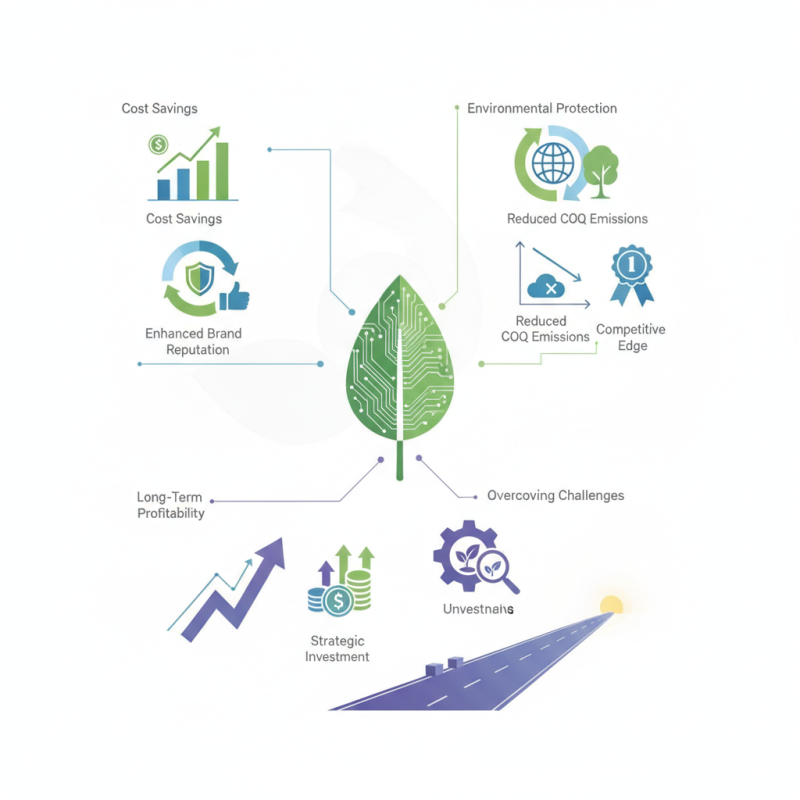
Benefits of Sustainable Energy for Global Buyers
The global shift towards sustainable energy offers numerous benefits for buyers worldwide. One key advantage is cost-effectiveness. Renewable energy sources, like solar and wind, often require lower long-term maintenance. This can lead to reduced operational costs. Many organizations notice significant savings over time. Such financial incentives are essential for global buyers.
Sustainable energy also promotes a positive brand image. Companies committed to green practices attract environmentally conscious consumers. This growing demographic values sustainability in purchasing decisions. Buyers may find themselves drawn to brands that prioritize ethical energy sources. Yet, the journey towards sustainability is not without challenges. Transitioning may require upfront investments that can deter some businesses.
Additionally, sustainable energy enhances energy security. A diverse energy mix can insulate buyers from volatile fossil fuel markets. However, the reliance on local resources means that infrastructure must be developed appropriately. It’s crucial for buyers to have access to reliable data and expert guidance when making these transitions. Balancing these factors will be vital for long-term success.
What are the Benefits of Sustainable Energy for Global Buyers
| Benefit | Description | Impact on Buyers |
|---|---|---|
| Cost Savings | Reduction in energy costs over time due to lower operational costs associated with renewable energy sources. | Lower overhead costs allow for increased profitability and investment in other areas. |
| Enhanced Brand Reputation | Commitment to sustainable energy can improve a company's public image and attract eco-conscious consumers. | Attracts more customers and can lead to increased sales due to positive public perception. |
| Regulatory Compliance | Adoption of sustainable energy technologies helps companies comply with environmental regulations and standards. | Avoids costly penalties and improves market access by meeting regulatory requirements. |
| Energy Independence | Investing in renewable energy sources can reduce dependency on fossil fuels and price volatility. | Increased stability in energy costs and security for business operations. |
| Attracting Investment | Sustainable practices can make companies more attractive to investors who prioritize environmental responsibility. | Potential for securing funding and partnerships with like-minded investors and organizations. |
Conclusion
Sustainable energy offers numerous benefits for global buyers, driving a significant shift towards renewable energy sources. Economically, investing in sustainable energy can lead to substantial cost savings and stability over the long term, as more efficient technologies reduce operational expenses. Additionally, sustainable energy practices enhance energy security, providing a more resilient energy supply amidst fluctuating markets.
From an environmental perspective, the reduction of carbon emissions through sustainable energy choices plays a critical role in combating climate change and minimizing ecological footprints. Buyers also gain access to innovative technologies that not only improve efficiency but also foster a culture of sustainability. By adopting sustainable energy solutions, global markets can ensure a cleaner, more sustainable future while reaping economic benefits.
Related Posts
-

Exploring the Future of Sustainable Energy Systems for a Greener Planet
-

Exploring the Future of Sustainable Energy Systems for a Greener Planet
-
Unlocking the Future: How Renewable Energy Technology Will Power 70% of Global Electricity by 2050
-

2026 How to Find the Best Renewable Energy Solutions?
-

Energy Engineering Innovations at China Import Export Fair 2026?
-

How to Find the Best Clean Energy Solutions for Your Home?