2026 Best Power Generation Solutions for Global Buyers?
In the ever-evolving landscape of power generation, buyers face an array of choices and challenges. As we approach 2026, the demand for sustainable and efficient power generation solutions escalates. Key industry players are investing in innovative technologies that promise to transform energy production.
But not all solutions are created equal. Buyers must navigate varying levels of efficiency, cost, and environmental impact. Choices often come with trade-offs, requiring careful consideration. Renewable energy sources like solar and wind offer great potential, yet their implementations can be complex and site-dependent.
It’s crucial for global buyers to remain informed about market trends and technological advancements. Drawing from industry expertise can help in making sound decisions. Reflecting on past experiences can reveal valuable insights. As we look ahead, the pursuit of reliable power generation solutions remains a top priority for all stakeholders.
Best Renewable Energy Sources for Power Generation in 2026
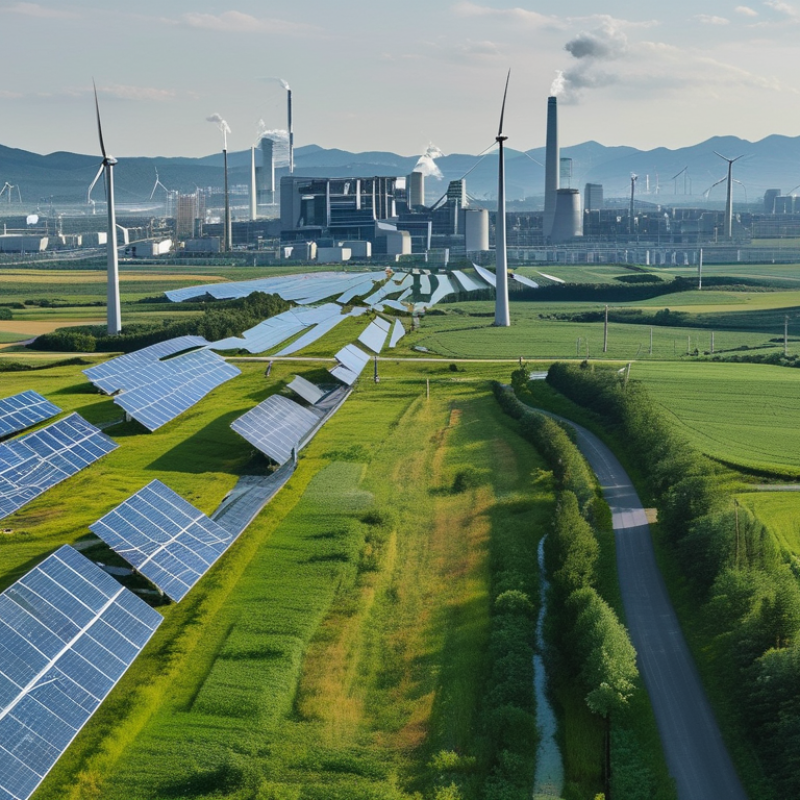
As the world shifts toward sustainability, renewable energy sources will become increasingly vital in power generation by 2026. Solar energy, with its low operational costs, continues to gain momentum. Innovations in photovoltaic technology improve efficiency at a rapid pace. This makes solar power an attractive choice for many regions, particularly in areas with abundant sunlight.
Wind power is another key player. Modern wind turbines can generate significant energy even in low-wind conditions. Coastal and offshore installations are also expanding, capturing strong sea breezes. However, integrating wind energy into existing grids poses challenges. There is a need for robust infrastructure to handle variability in energy production.
Hydropower remains a reliable source, although environmental concerns arise. Dams can disrupt local ecosystems and displace communities. Finding a balance between energy needs and ecological protection is crucial. These renewable sources have potential, but careful planning is essential to maximize their benefits while minimizing their drawbacks.
2026 Best Renewable Energy Sources for Power Generation
Analysis of Global Power Consumption Trends and Projections
Global power consumption is undergoing significant transformation. A recent report by the
International Energy Agency (IEA) forecasts that global energy demand will grow by
30% by 2040. This rise is driven by population growth and economic development. As countries
industrialize, power needs escalate. Urbanization also plays a critical role. By 2030, it's estimated
that nearly 60%% of the world's population will live in urban areas. This shift increases demand for
reliable electricity.
The mix of energy sources is also changing. Renewable energy, particularly
solar and wind, is set to surpass fossil fuels
by 2026. According to the International Renewable Energy Agency (IRENA),
renewables could provide up to 80%% of global electricity by 2050. While this offers a
sustainable solution, challenges remain. Existing infrastructure struggles to adapt. Energy storage technologies are
lagging. Furthermore, transitioning to renewables involves significant investments and policy shifts.
Regulatory frameworks are key to managing this transition.
Governments need to create supportive environments for innovation. Trade policies must also evolve to accommodate
renewable technologies. However, many regions still lack comprehensive energy strategies. Without robust plans,
the shift towards greener solutions may falter. Addressing these challenges is crucial for meeting future energy
demands effectively.
Leading Technologies in Energy Storage Systems for Efficient Power Use
Energy storage systems are transforming the way we utilize power. These technologies are crucial for efficient energy use, especially with increasing renewable sources. Innovations like lithium-ion batteries and flow batteries are leading this transformation. They store energy generated from wind and solar sources, making it available when demand peaks.
Understanding energy storage can be complex. While lithium-ion batteries are popular, they have limitations. For instance, they often degrade over time. Flow batteries present a more sustainable option. They offer longer life cycles and flexibility in scaling storage capacity. However, they are still developing and not yet widely adopted.
Energy systems must adapt to changing needs. This includes better ways to integrate storage solutions with existing grids. Advanced technologies are promising, yet they face challenges. Regulatory frameworks may not keep pace with rapid advancements. Closing this gap is vital for a sustainable energy future.
Impact of Government Policies on Global Energy Transition Strategies
Government policies significantly shape global energy transition strategies. As countries aim for net-zero emissions, regulatory frameworks play a crucial role. In fact, according to the International Energy Agency (IEA), government policies generated over 75% of the investment in renewable energy projects in 2022. This reflects a proactive stance from nations to steer their economies towards sustainable energy.
Recent reports show that the global renewable energy market is expected to grow from $1.5 trillion in 2021 to over $2.5 trillion by 2026. However, inconsistencies in policy implementation raise concerns. For instance, variations in tax incentives and subsidies can create uncertainty for investors. Countries with robust policies attract more capital, whereas those with weak or fluctuating regulations might struggle.
Furthermore, the transition is not without challenges. Many regions face infrastructure limitations and regulatory bottlenecks. The World Bank notes that approximately 70% of countries require policy frameworks that better support clean energy technologies. This situation highlights the need for continuous evaluation and improvement of energy policies to foster a cohesive global approach. Such adaptations will be vital as the market evolves and consumer preferences shift towards greener solutions.
Emerging Markets: Investment Opportunities in Power Generation Sectors
Emerging markets are a hotbed for investment in power generation. Countries like India, Brazil, and parts of Africa showcase unprecedented growth in energy demand. These regions offer unique opportunities for investors willing to navigate complexities. The need for reliable energy sources fuels multiple sectors, from renewables to natural gas.
Investors must consider local regulations and infrastructure challenges. Some areas experience political instability, affecting the investment climate. Nonetheless, the potential for returns is promising. Innovative projects in solar and wind energy are gaining traction. They not only offer financial benefits but also contribute to sustainability.
Partnerships with local firms can be advantageous. These relationships provide insights into market dynamics and cultural nuances. Yet, finding trustworthy partners can be tricky. Each market has distinct challenges, making the journey far from straightforward. Investors may face hurdles, but the rewards can justify the risks involved.
2026 Best Power Generation Solutions for Global Buyers
| Region |
Power Generation Type |
Investment Opportunity ($ billion) |
Projected Growth Rate (%) |
Key Drivers |
| Asia-Pacific |
Renewable Energy |
50 |
12 |
Government incentives, population growth |
| Africa |
Solar Power |
30 |
15 |
High solar potential, rural electrification needs |
| Latin America |
Hydropower |
20 |
8 |
Natural water resources, sustainability focus |
| North America |
Wind Energy |
40 |
10 |
Technological advancements, policy support |
| Middle East |
Natural Gas |
25 |
7 |
Abundant resources, demand for cleaner energy |