In the rapidly evolving landscape of renewable energy, enhancing your skills can significantly impact your career trajectory. As Dr. Emily Peters, a leading expert in sustainable energy education, points out, “Investing in renewable energy courses is crucial for adapting to market demands.” This statement reflects the growing necessity of comprehensive knowledge in this field.
Renewable energy courses are designed to equip professionals with essential skills. They cover a variety of topics, including solar, wind, and bioenergy. Participants gain insight into technological advancements and industry best practices. This hands-on approach fosters a deeper understanding. However, not all courses are created equal. Choosing the right program can be overwhelming.
Many aspiring professionals overlook the importance of credentials and course content. Not every course offers practical experience or expert instruction. It's vital to research and identify programs that align with your career goals. Renewable energy courses should be a stepping stone, not just another credential. Embracing this education can shape a sustainable future while advancing your professional journey.

The renewable energy sector is experiencing unprecedented growth. According to the International Renewable Energy Agency (IRENA), the global renewable energy workforce reached 12 million in 2020, with a projected increase to 24 million by 2030. This reflects a 60% rise in job demand within just a decade. As countries pivot away from fossil fuels, the need for skilled professionals in solar, wind, and bioenergy is set to escalate.
Moreover, a report by the International Energy Agency (IEA) highlights that solar energy jobs are expected to dominate. In 2021, solar jobs accounted for nearly 4 million positions worldwide. This trend shows no signs of slowing. However, the industry faces challenges in workforce development. Many potential candidates lack the necessary training and qualifications. Bridging this skills gap is crucial for sustaining growth and meeting the rising energy demands.
Despite the positive outlook, uncertainties remain. The transition to renewable energy is complex. Market fluctuations and policy changes can impact job stability. Therefore, investing in robust training programs is essential for career advancement. Individuals looking to remain competitive must actively seek opportunities to enhance their skill set in this evolving landscape. This dynamic environment presents both challenges and opportunities for those willing to adapt.
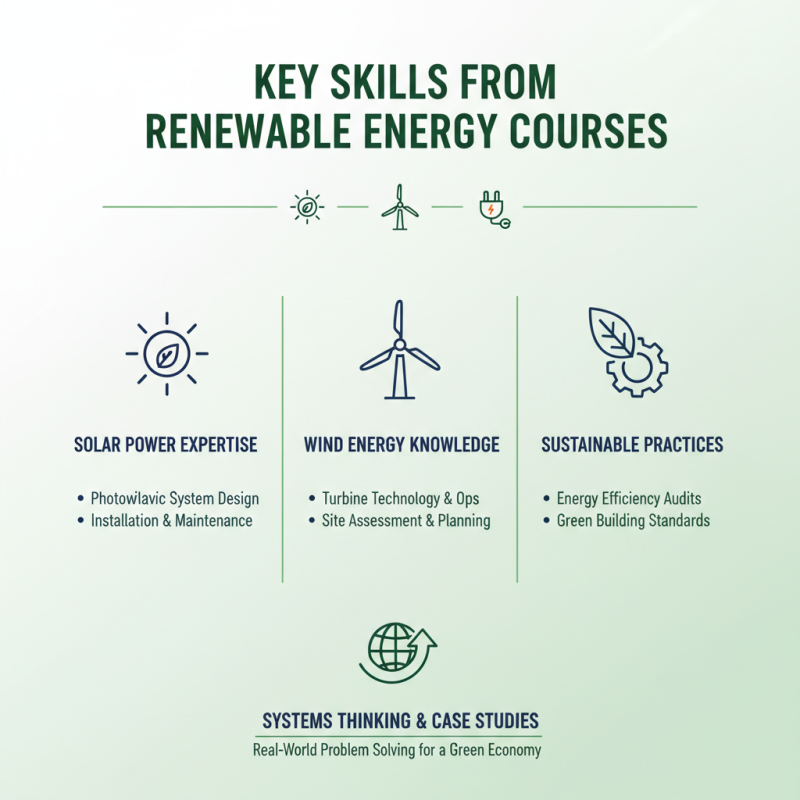
Renewable energy courses equip individuals with vital skills needed for today's green economy. These courses cover a range of topics such as solar power, wind energy, and sustainable practices. Students engage with real-world case studies, enhancing their understanding of energy systems' complexities.
Participants often gain technical skills that are in high demand. Knowledge of energy efficiency measures can lead to innovative solutions in various industries. Learning to design and implement renewable energy projects can create job opportunities in both public and private sectors. Meanwhile, soft skills like teamwork and problem-solving are emphasized. These are essential when working on interdisciplinary teams.
However, some students may struggle with the rapid pace of technological advancements. Keeping up with the latest developments in renewable energy can be challenging. Continuous learning is crucial, yet many find it hard to balance work and study. Reflection on personal progress is important to stay motivated in this evolving field. Finding the right course can open doors, but one must remain committed and adaptable to thrive.
When exploring renewable energy training programs, the choice between online and in-person options is crucial. Online courses offer flexibility. You can study at your own pace. This suits busy professionals and those with varied schedules. However, this format may lack personal interaction. Engaging with instructors and peers provides valuable insights. You might miss lively discussions and hands-on experiences.
In-person training creates a dynamic learning environment. You can participate in lab sessions and use real equipment. This direct experience fosters a deeper understanding. Networking opportunities abound as well, connecting students with industry leaders. But this option often demands more time and travel. It may not be convenient for those balancing jobs or family commitments.
Reflecting on these pros and cons will guide you in making the best choice for your career in renewable energy.
In today’s job market, certifications in renewable energy are essential. They demonstrate knowledge and commitment. Many employers value these credentials highly. Courses focusing on solar energy, wind turbine technology, and energy efficiency can fill knowledge gaps. However, not all programs are created equal. Choosing a course with proper accreditation is crucial.
Practical experience is another key factor. Some certifications require hands-on training. This can help bridge the gap between theory and practice. Attending workshops or field training not only builds skills but also networks. Industry connections can open doors for future opportunities.
As the renewable energy sector grows, staying updated is vital. New technologies emerge regularly, and continuous education is necessary. Many professionals find that ongoing certification can enhance their credibility. Yet, it's important to select courses thoughtfully. Reflect on what aligns with your career goals. Be aware of the investment needed, both time and money. This field demands persistence and adaptability, which can sometimes feel overwhelming.
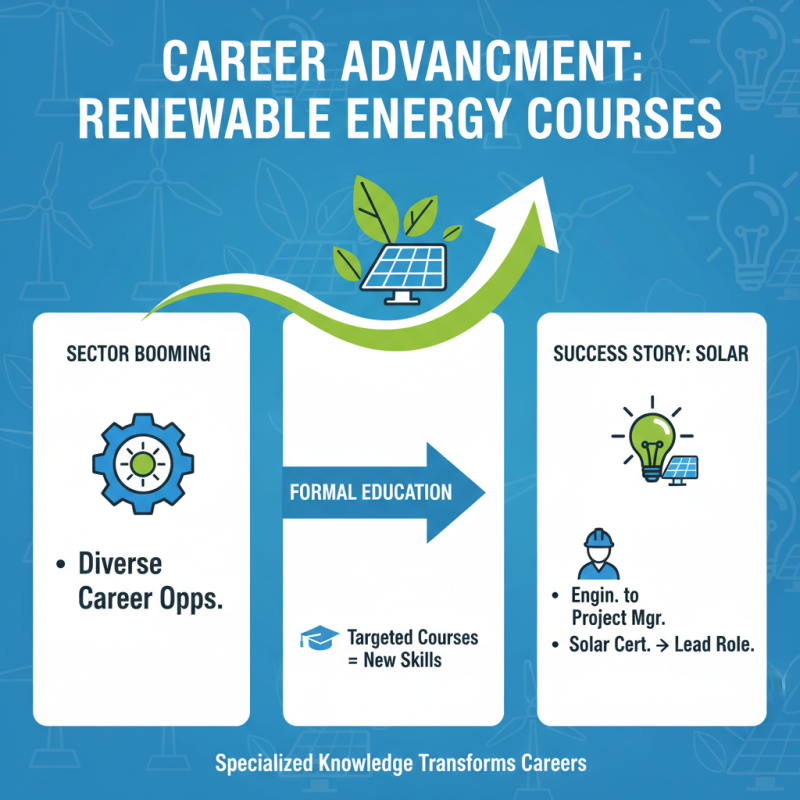
The renewable energy sector is booming, offering diverse career opportunities. Many individuals have transitioned into this field after completing targeted courses, demonstrating the effectiveness of formal education in renewable energy. One notable case is of a former mechanical engineer who took a solar energy certification course. This enabled her to pivot into project management for solar installations. Her success highlights the power of specialized knowledge in transforming careers.
Tips: Focus on real-world applications in your learning. Seek courses with hands-on training. Engage with experts through workshops or forums.
Another example features a recent graduate in environmental science. By enrolling in a wind energy training program, he gained practical skills and invaluable networking opportunities. Today, he works with a top renewable energy firm. His story illustrates that continuous learning can lead to significant career progression.
Tips: Network within the industry. Attend seminars to gain insights. Research job market trends to align your skills with demand.