10 Best Strategies for a Successful Energy Transition in 2023
The energy transition is a critical imperative for achieving a sustainable future, especially as we move into 2023. Renowned energy expert Dr. Emily Rosenberg emphasizes the urgency of this shift by stating, "Transitioning to renewable energy sources is not just a possibility; it is a necessity for the survival of our planet." As governments and organizations around the world grapple with climate challenges, the strategies they adopt to facilitate this transition will play a pivotal role in shaping the energy landscape for years to come.
In this context, the focus on innovative and effective methods is essential for a successful energy transition. The integration of renewable energy sources, enhancement of energy efficiency, and the development of sustainable technologies represent just a few of the avenues that can lead to transformative change. By exploring the ten best strategies for navigating this transition, stakeholders can better align their initiatives with the overarching goals of environmental stewardship and economic viability.
As we examine the various approaches available, it is imperative to recognize that the collaboration between policymakers, businesses, and communities will be crucial in driving the energy transition forward. Embracing new ideas and fostering innovation will not only support the shift to cleaner energy but also ensure resilience in the face of ongoing climate challenges.

Understanding the Importance of Energy Transition in 2023
The importance of energy transition in 2023 cannot be overstated, as the world grapples with the urgent need to combat climate change and promote sustainable development. According to the International Energy Agency (IEA), global energy demand is expected to increase by nearly 30% by 2040, which necessitates a significant shift towards renewable energy sources. In 2023, investing in cleaner alternatives such as solar, wind, and hydro is crucial not only for reducing greenhouse gas emissions but also for enhancing energy security and resilience.
Tips for a successful energy transition include fostering collaboration across sectors. Governments, businesses, and communities must engage in dialogue to create policies that promote the deployment of renewable energy technologies. The World Economic Forum highlights that strategic investments in sustainable energy infrastructure could create over 24 million jobs globally by 2030, underscoring the need for a unified approach.
Moreover, educating the public about energy efficiency can lead to significant reductions in energy consumption. The U.S. Department of Energy reports that implementing energy efficiency measures can reduce energy usage in homes by up to 30%. Initiatives that promote awareness and provide incentives for adopting energy-saving technologies will play a crucial role in facilitating a smoother transition away from fossil fuels towards a sustainable energy future.
Identifying Key Stakeholders in the Energy Transition Process
Identifying key stakeholders in the energy transition process is crucial for achieving a successful transformation to sustainable energy systems. According to a report by the International Renewable Energy Agency (IRENA), stakeholders can be broadly categorized into several groups: government bodies, private sector players, non-governmental organizations (NGOs), and community representatives. Each of these groups plays a significant role in shaping policies, financing projects, and mobilizing public support for innovative energy solutions.
Governments are often seen as the primary catalyst for energy transition, as they can establish regulatory frameworks and provide incentives for renewable energy projects. For instance, data from the Global Carbon Project indicates that effective government policies could reduce global carbon emissions by up to 70% by 2050. Meanwhile, the private sector is instrumental in driving technological advancements and investing in renewable energy initiatives. A report from the World Economic Forum highlights that over $2 trillion was invested in renewable energy projects globally in 2022, emphasizing the importance of private stakeholders in fostering innovation.
Moreover, NGOs and community organizations often bridge the gap between policymakers and the public, ensuring that local voices and needs are addressed. Engaging with communities not only fosters trust but also enhances public acceptance of energy transition initiatives. Research from the Rocky Mountain Institute reveals that community-driven projects, when supported by transparent communication and collaboration, can lead to a 50% increase in local buy-in for renewable energy projects. By identifying and effectively coordinating these key stakeholders, the energy transition can become a collaborative effort, paving the way for a sustainable future.
Implementing Renewable Energy Technologies: Challenges and Solutions
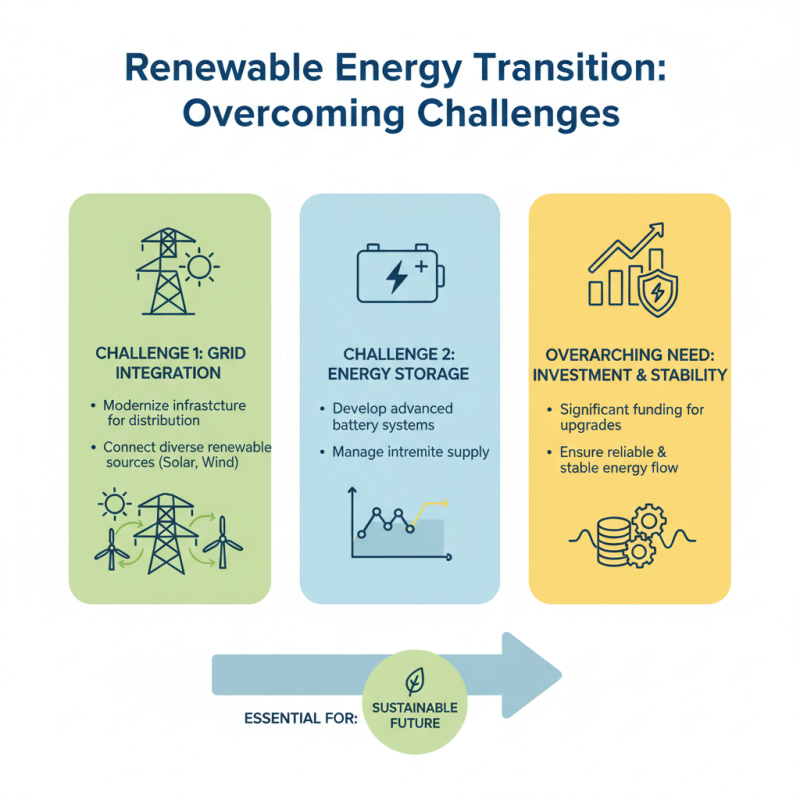
The transition to renewable energy technologies is essential for achieving a sustainable future, yet it is fraught with challenges. One of the most prominent obstacles is the integration of renewable sources into existing energy grids. This requires significant investment in infrastructure to facilitate the effective distribution of energy from solar, wind, and other renewable sources. Additionally, energy storage solutions, like advanced battery systems, must be developed to manage intermittent energy supply, ensuring a stable and reliable energy flow.
Tip: Collaborate with local governments and stakeholders to craft policies that support renewable energy adoption. Engaging in community outreach initiatives can help raise awareness and foster public support for renewable projects, making the transition smoother.
Another challenge lies in the technology adoption curve and workforce training. As industries pivot toward renewables, there will be a growing demand for skilled workers who can navigate new technologies. Investing in training programs and partnerships with educational institutions can equip the workforce with the necessary skills to thrive in this evolving energy landscape.
Tip: Promote internships and apprenticeships in renewable energy sectors to nurture the next generation of skilled professionals. By creating pathways for youth to enter the renewable energy field, the industry can benefit from fresh perspectives and innovation.
Promoting Energy Efficiency Practices across Industries
The transition to sustainable energy sources is not solely reliant on new technologies; it also hinges on enhancing energy efficiency across various industries. By adopting practical energy-saving measures, organizations can significantly reduce their consumption and operational costs while simultaneously diminishing their carbon footprints. Implementing energy audits, for instance, allows businesses to identify areas where energy is wasted and prioritize improvements. Investing in energy-efficient equipment and practices is not just beneficial for the environment; it can also bolster a company’s competitive edge.
Furthermore, promoting a culture of energy efficiency within workplaces can foster innovation and engagement among employees. Training programs and workshops that emphasize sustainable practices can empower staff to make informed decisions and adopt energy-saving habits in their daily tasks. Collaborative efforts among different sectors can lead to the sharing of best practices and resources, amplifying the impact of individual initiatives. Each industry has unique challenges and opportunities, but a collective commitment to energy efficiency can serve as a powerful catalyst for a successful energy transition, driving economic growth alongside environmental stewardship.
Engaging Communities and Building Public Support for Transition Initiatives
Engaging communities is a pivotal component of a successful energy transition in 2023. To foster public support for transition initiatives, it is essential that stakeholders actively involve local populations in the planning and implementation processes. This begins with transparent communication about the goals of the transition and the benefits it brings not only to the environment but also to the economy and local job markets. Conducting community forums and workshops can create platforms for dialogue, allowing residents to voice their concerns, ask questions, and contribute ideas. When communities feel involved, they are more likely to support initiatives and become champions for change.
Building public support also hinges on cultivating trust between energy planners and community members. Collaborating with local leaders and organizations can bridge gaps and ensure that initiatives reflect the unique needs and values of different demographics. Educational campaigns highlighting the advantages of renewable energy sources can empower residents to make informed choices, further reinforcing their commitment to transition efforts. As communities embrace sustainable practices, grassroots movements can emerge, propelling the transition forward and setting an example for other regions to follow. By prioritizing community engagement and fostering a sense of ownership, the energy transition can catalyze profound change at both local and global levels.
10 Best Strategies for a Successful Energy Transition in 2023