10 Best Sustainable Energy Solutions for a Greener Future?
In the quest for a greener future, sustainable energy solutions are becoming essential. According to the International Renewable Energy Agency, global renewable energy capacity reached over 2,800 gigawatts in 2022. This surge indicates a shift towards more sustainable alternatives. However, experts remind us that the transition must be both comprehensive and inclusive. Dr. Emily Carter, a renowned expert in sustainable energy, once said, “We have the technology; it’s time to use it effectively.”
The focus has shifted. No longer is merely implementing renewable sources sufficient. We must consider energy efficiency, grid integration, and community involvement. The Energy Research Centre of the Netherlands reported a substantial increase in solar energy usage among households in 2021. Yet, many communities still lack access to renewable options. The challenge is clear.
Moreover, while advances in technology are promising, they often overlook marginalized populations. A 2022 report from the World Energy Council highlighted that 1.3 billion people still live without electricity. This gap reveals an urgent need to rethink sustainable strategies. Balancing innovation with equity remains paramount. The future of sustainable energy lies not only in high-tech solutions but also in addressing these disparities.
Definition of Sustainable Energy and Its Importance for the Environment
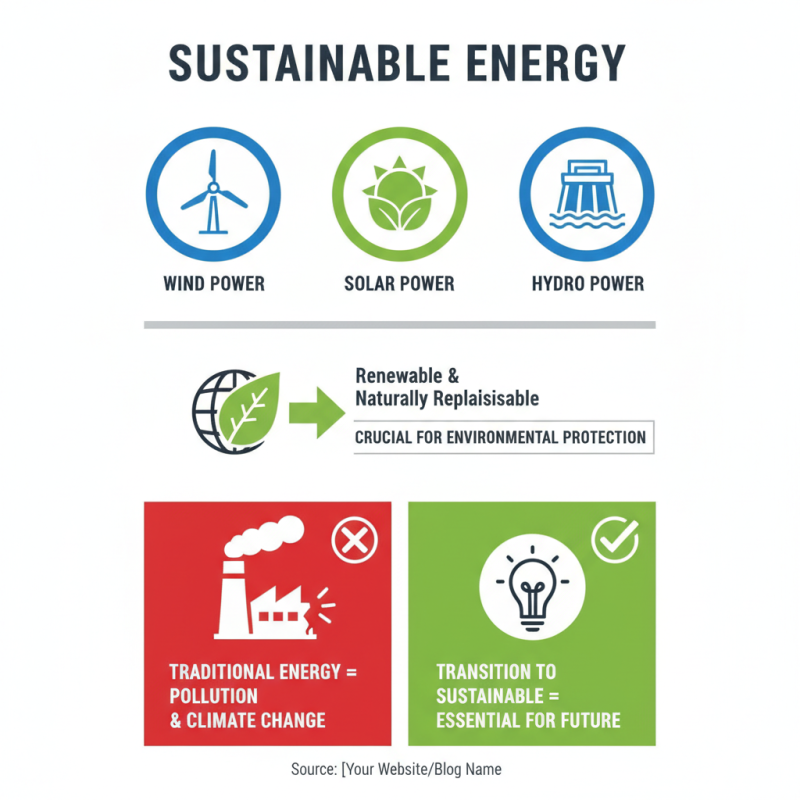
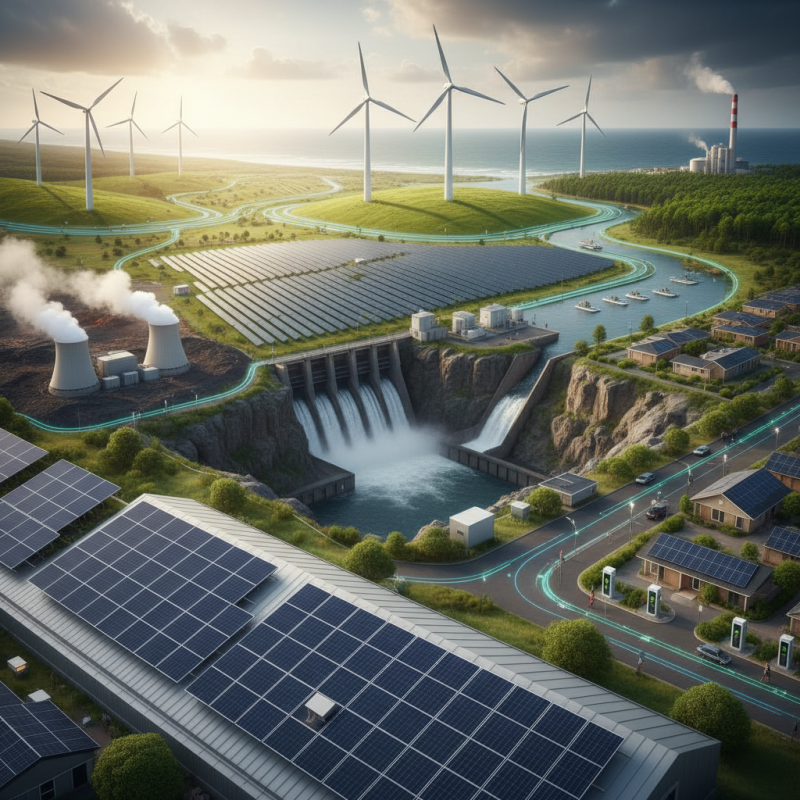
Sustainable energy refers to energy sources that can be replenished naturally. These include wind, solar, and hydroelectric power. Utilizing sustainable energy is crucial for protecting our environment. Traditional energy sources contribute significantly to pollution and climate change. Therefore, transitioning to sustainable options is not just beneficial; it’s essential.
One key aspect of sustainable energy is its ability to reduce greenhouse gas emissions. This transition helps combat global warming. For instance, solar panels can be installed on rooftops, harnessing sunlight to power homes. Wind turbines can generate electricity without emitting harmful gases. However, the implementation of these technologies can sometimes be flawed. Not all geographic locations are suitable for every type of energy. There’s a need for careful planning and consideration.
Moreover, while renewable energy is promising, challenges remain. For instance, storage solutions for energy generated from wind or sun are still advancing. Inconsistent energy supply may hinder reliable access. Thus, as we embrace sustainable energy, it’s vital to also consider technological advancements and address existing limitations. A clear path forward requires innovation and responsibility in our energy choices.
Overview of Renewable Energy Sources and Their Benefits for Sustainability
Renewable energy sources play a vital role in fostering sustainability.
Solar, wind, and hydroelectric power are some of the most recognized types. Each offers unique benefits that can help us combat climate change.
Solar energy harnesses sunlight through panels, converting it into electricity. This process is clean and can be employed in residential or commercial settings. However, the initial cost for installation can be high, and efficiency varies by location.
Wind energy captures kinetic energy from wind currents, using turbines to produce power. This method is particularly effective in open landscapes and offshore sites.
While it is a clean energy source, it can impact local wildlife. Additionally, there are concerns about noise pollution for those living nearby.
Hydroelectric power utilizes flowing water to generate electricity. It's a reliable source, but large dams can disrupt ecosystems and displace communities.
Exploring these renewable options reveals both promise and challenges. The solutions may not be perfect, but they are a step forward. We must critically assess our approach to these resources.
Balancing environmental benefits with social impacts remains a complex task. Ultimately, finding the right mix of these energies could lead us toward a more sustainable future.
Top 10 Sustainable Energy Solutions for Reducing Carbon Footprint
Sustainable energy solutions are vital for reducing our carbon footprint. These alternatives offer a glimmer of hope in the fight against climate change. Solar energy, for instance, harnesses sunlight to produce electricity. It’s clean, abundant, and becoming more affordable. Many homes now feature solar panels, turning rooftops into mini-power stations.
Wind energy is another significant player. Turbines transform wind into electricity, providing power to countless households. However, wind farms often face local opposition due to noise and aesthetic concerns. Geothermal energy also deserves mention. This technique uses heat from the Earth, but not all regions can access this resource efficiently.
While these technologies shine brightly, challenges remain. Battery storage is still inadequate, limiting the effectiveness of solar and wind systems. Hydropower is reliable but can disrupt local ecosystems. As we pursue these solutions, we must address their footprints, both carbon and ecological. Finding harmony between energy needs and environmental protection is crucial. The path to sustainability is not straightforward; it requires ongoing reflection and innovation.
Comparative Analysis of Traditional vs. Sustainable Energy Solutions
Traditional energy solutions largely rely on fossil fuels, which emit significant greenhouse gases. According to the International Energy Agency (IEA), burning coal accounts for about 30% of global CO2 emissions. This reliance poses a severe challenge for sustainable development and climate goals. Switching to renewable sources can drastically reduce these emissions. For example, the use of wind and solar energy could lead to a potential decrease in global CO2 emissions by up to 70% by 2050.
In contrast, sustainable energy solutions present an array of opportunities. The latest report by the International Renewable Energy Agency (IRENA) suggests that transitioning to renewable energy could create over 24 million jobs by 2030. However, infrastructure development can be costly and slow to implement. The variability of renewable sources, like solar and wind, requires efficient energy storage systems. Current battery technology lags behind demand, and this gap raises questions about reliability. As nations aim for carbon neutrality, addressing these complexities is vital for a sustainable energy transition.
Future Trends in Sustainable Energy and Innovations on the Horizon
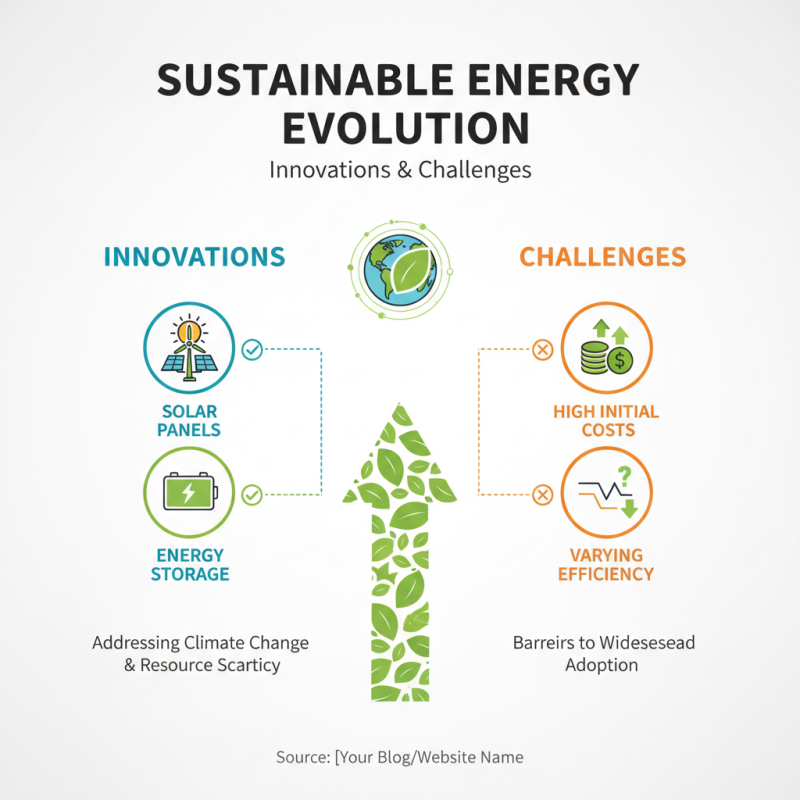
The sustainable energy sector is rapidly evolving. Innovations are emerging to address climate change, energy efficiency, and resource scarcity. Solar panels, wind turbines, and energy storage systems are at the forefront. However, many of these technologies still face challenges. High initial costs and varying efficiency can deter widespread adoption.
Tips: Explore community solar projects. They can offer renewable energy options without high entry costs. Also, look for ways to enhance energy efficiency in your daily life. Simple changes can make a significant impact.
In recent years, smart grids have gained attention. They integrate renewable sources and optimize energy distribution. Yet, technical issues and cybersecurity risks remain major concerns. The need for robust systems and secure networks is essential.
Tips: Stay informed about local policies on sustainable energy. Understanding regulations can help you navigate energy choices better. Additionally, consider your energy habits and their long-term impact. Reflecting on your usage can lead to more sustainable decisions.