How to Choose the Best Hybrid Power Solutions for Your Needs
In today’s rapidly evolving energy landscape, choosing the best hybrid power solutions is crucial for efficiency and sustainability. According to a recent report by the International Energy Agency, hybrid power systems can reduce fuel consumption by up to 30%. This is a significant benefit for industries aiming to lower operational costs while minimizing their carbon footprint.
Expert John Smith, a leader in renewable energy solutions, emphasizes, "The right hybrid power solution optimizes energy use and ensures reliability." His insights underscore the importance of carefully evaluating various options in the market. Factors such as location, energy demand, and technology compatibility play key roles in this decision.
Despite the clear advantages, many organizations face challenges. Budget constraints and existing infrastructure limitations can hinder the integration of hybrid systems. These hurdles require critical reflection and strategic planning. Selecting the appropriate hybrid power solutions demands thorough research and consideration of unique operational needs. Only then can organizations truly harness the potential of hybrid technologies.
Understanding Hybrid Power Solutions: Types and Benefits
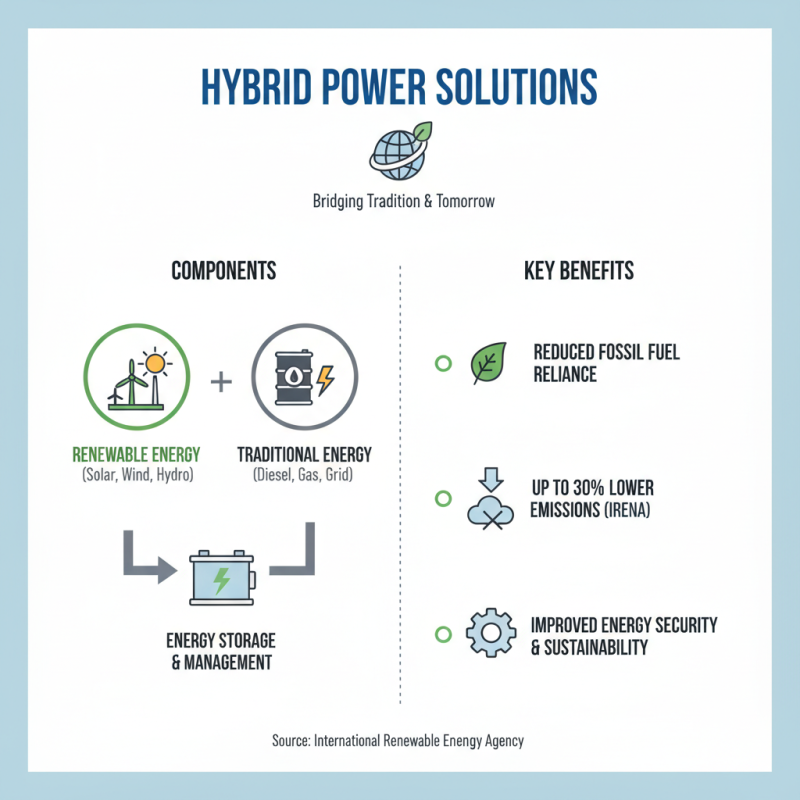
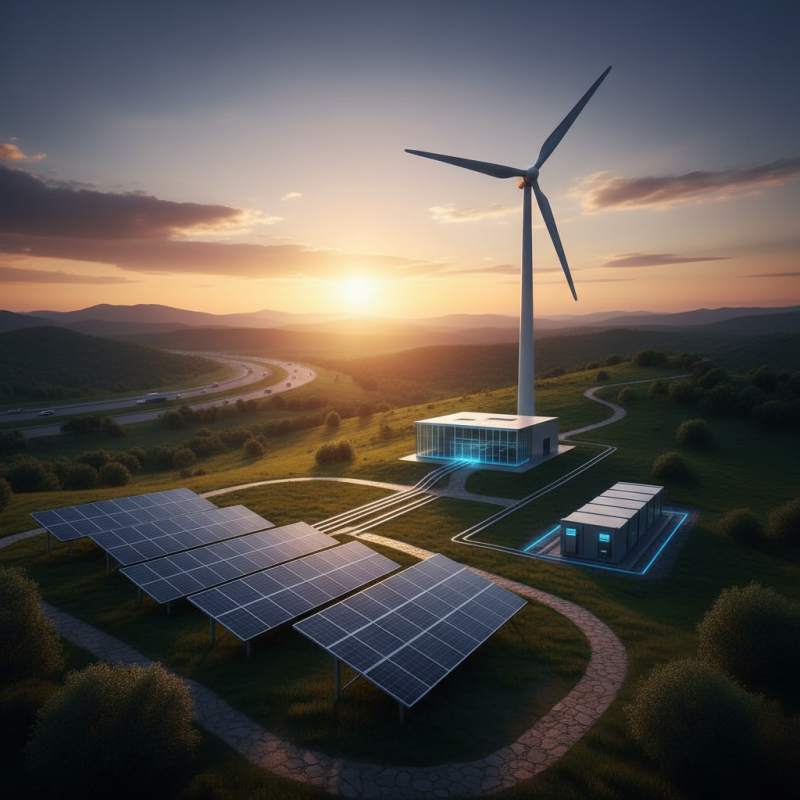
Hybrid power solutions combine renewable energy sources with traditional ones. They help reduce reliance on fossil fuels. Understanding these systems is crucial for effective energy management. According to the International Renewable Energy Agency, hybrid systems can reduce emissions by up to 30%. This is a significant advantage for industries aiming for sustainability.
Solar and wind energy are common sources in hybrid systems. They work well together, especially in areas with variable weather. Some reports suggest that integrating batteries enhances efficiency. However, it's essential to consider the initial setup cost and maintenance. Hybrid systems might seem complicated. Yet, many industries report improved energy resilience and cost savings over time.
Tip: Evaluate local energy sources before selecting a hybrid solution. Understanding regional availability can lead to better efficiency.
Tip: Assess your energy needs. A tailored hybrid system can lead to superior performance. Don't overlook potential maintenance issues. They can hinder efficiency.
Assessing Your Energy Needs and Usage Patterns
When assessing your energy needs, start by understanding your consumption patterns. Analyze your electricity bills from the last year. This will help identify peak usage times. According to the U.S. Energy Information Administration, residential customers use an average of 877 kWh per month. Knowing your average can guide your hybrid power solution.
Tips: Track your usage daily. Apps can help simplify tracking. Look for trends, like higher usage in summer.
Next, consider your appliances. High-demand devices, like HVAC systems, significantly impact energy consumption. Reports show that heating and cooling account for about 50% of energy use in homes. Evaluate if you need to upgrade to energy-efficient options. A thorough audit can reveal potential savings.
Tips: List all appliances and their wattages. Use this data for future planning. Small changes can lead to big savings.
How to Choose the Best Hybrid Power Solutions for Your Needs - Assessing Your Energy Needs and Usage Patterns
| Energy Requirement (kWh/day) |
Usage Pattern |
Optimal Hybrid Solution |
Estimated Cost ($) |
| 10 |
Low usage; mostly during daylight |
Solar + Battery Storage |
5,000 |
| 20 |
Moderate usage; mixed day/night use |
Wind + Solar + Battery |
12,000 |
| 50 |
High usage; continuous throughout day and night |
Diesel Generator + Solar |
20,000 |
| 75 |
Very high usage; peak demand in evenings |
Hybrid Diesel + Natural Gas |
35,000 |
| 100 |
Extreme usage; constant consumption |
Biofuel + Wind + Battery Backup |
50,000 |
Evaluating Available Hybrid Technologies and Systems
When evaluating hybrid technologies for your power needs, start by understanding the various types available. Hybrid systems typically combine renewable energy with traditional sources. For instance, solar-diesel hybrids can provide a steady supply, reducing reliance on fossil fuels. These setups can be complex but effective.
Consider your specific requirements. How much energy do you need daily? Is your location sunny or windy? These factors will influence your choice. Sometimes, energy storage solutions can complicate the system. Do they meet your needs? It’s crucial to investigate.
Cost is another important aspect. Initial investment might be high, but what about long-term savings? Calculate potential reductions in energy costs. Additionally, maintenance can be tricky. Are you ready for that commitment? Familiarizing yourself with these elements can help you choose wisely.
Comparing Costs, Efficiency, and Environmental Impact
When considering hybrid power solutions, it's crucial to evaluate
costs, efficiency, and environmental impact. Different technologies have
varying cost structures. Some may seem cheaper upfront but could incur higher long-term operational costs.
Financing options also play a role in affordability. A sound financial strategy is essential for sustainability.
Efficiency is another key factor. Hybrid systems can generate energy through various means, such as
solar, wind, or
traditional sources. The combination affects how much energy is wasted and how much is utilized.
Measuring efficiency often involves complicated metrics, which can confuse consumers. It’s worth
questioning whether the proposed efficiency matches real-world performance.
Environmental impact varies widely. Some solutions boast low emissions, while others leave a larger
carbon footprint. Understanding lifecycle emissions is vital.
How much pollution is created from manufacturing to disposal? Diving deeper into that question can reveal
uncomfortable truths. Exploring your options might unveil unexpected advantages or disadvantages that
need attention before making a choice.
Making an Informed Decision: Key Factors to Consider
Choosing the best hybrid power solution for your needs can be daunting. Key factors play a pivotal role in making an informed decision. According to the International Energy Agency, hybrid systems can reduce energy costs by up to 30%. They often combine solar and wind or diesel and battery storage. This creates versatility and resilience in energy supply. However, the initial costs and maintenance complexity can be higher than a single power source.
Tip: Assess your energy consumption patterns. Are your needs fluctuating or steady? This understanding can help in selecting a system that truly fits.
Consider geographical location. Some areas have better sun exposure or wind patterns than others. Ignoring local climate conditions could lead to underperformance. Many users report regret over their decision due to mismatched energy sources. Research and adapt your choices based on local resources.
Tip: Don’t forget to factor in future growth. Will your energy needs increase? Choose a solution that can scale up. This foresight can save time and money later. Always keep flexibility in mind, as technology trends shift rapidly.