How to Choose the Best Renewable Energy Systems for Your Home?
Choosing the right renewable energy systems for your home can be complex. With numerous options available, it can feel overwhelming. However, understanding your needs is essential.
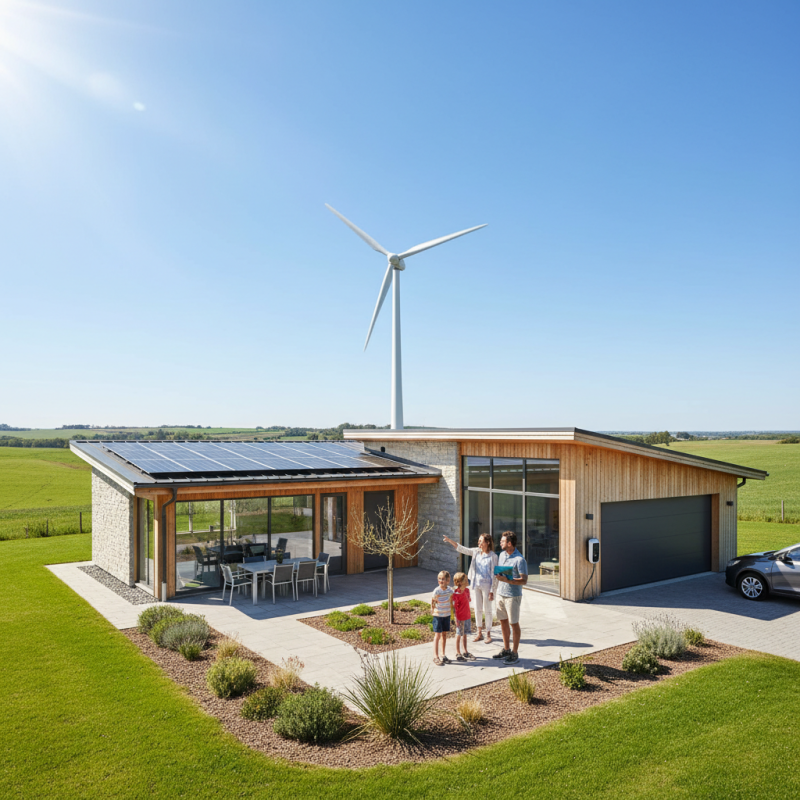
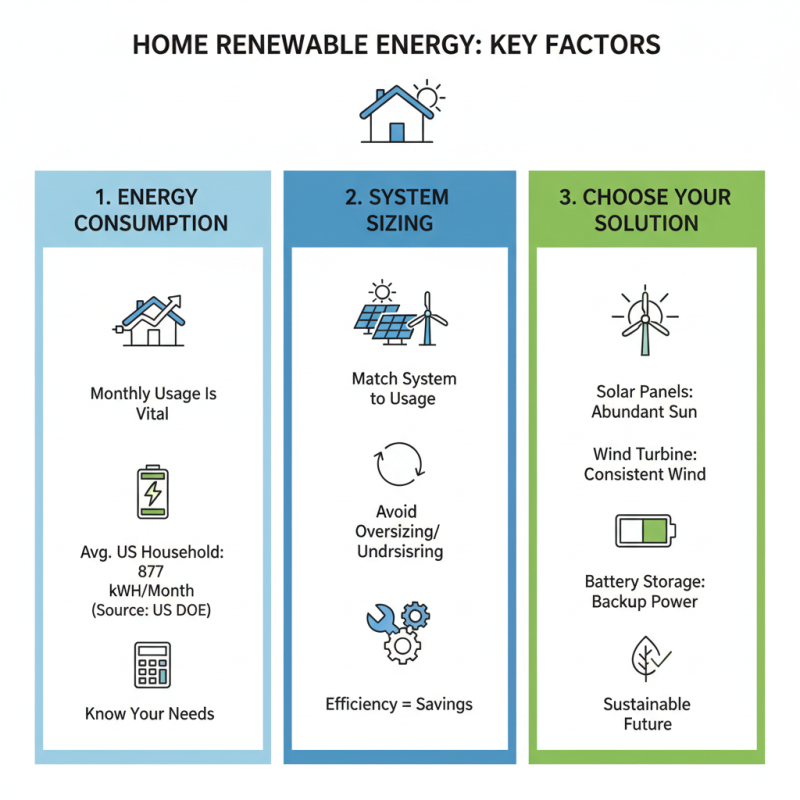
Consider your energy consumption patterns. How much energy do you use daily? This information can guide your selection. Solar panels might be ideal for sunny areas, while wind turbines benefit locations with consistent wind. Each system has its advantages.
Budget plays a crucial role too. Some renewable energy systems require significant upfront investment, while others offer easier financing. It is vital to weigh long-term savings against initial costs. Reflecting on your lifestyle and future plans can help ensure you choose a system that meets your needs effectively. Ultimately, selecting the best renewable energy systems is about finding a balance between efficiency, cost, and sustainability.
Understanding Renewable Energy Systems: An Overview
Understanding renewable energy systems is essential for homeowners. With advancements in technology, options have expanded. Solar panels, wind turbines, and geothermal systems lead the way. A report by the International Renewable Energy Agency (IRENA) states that solar energy could power 1.5 billion homes by 2030. This means more choices for residents seeking efficiency.
Each system has unique characteristics. Solar panels work well in sunny regions but may not be effective in cloudy areas. Wind turbines require consistent wind, which might not be available in all climates. Geothermal energy relies on stable underground temperatures, making it less viable in certain locations. Homeowners must assess their local conditions.
Cost also plays a crucial role. The average cost of solar panels dropped 82% since 2010, according to a report from Bloomberg New Energy Finance. Yet, installation can still be a significant investment. Homeowners need to weigh these factors carefully. Not all systems will suit every household's needs. Understanding energy consumption habits can steer decisions. Balancing benefits with potential setbacks is key in this journey.
How to Choose the Best Renewable Energy Systems for Your Home? - Understanding Renewable Energy Systems: An Overview
| System Type |
Energy Source |
Installation Cost ($) |
Average Lifespan (Years) |
Estimated Annual Savings ($) |
Environmental Impact |
| Solar Panels |
Sunlight |
15,000 |
25 |
1,200 |
Reduces carbon footprint |
| Wind Turbines |
Wind |
30,000 |
20 |
2,500 |
Clean and sustainable |
| Geothermal Systems |
Earth heat |
20,000 |
25 |
1,500 |
Minimal land use |
| Biomass Systems |
Organic materials |
10,000 |
15 |
800 |
Utilizes waste materials |
| Hydropower Systems |
Water flow |
25,000 |
30 |
3,000 |
Renewable and reliable |
Evaluating Your Home’s Energy Needs and Consumption Patterns
Evaluating your home’s energy needs is crucial when selecting renewable energy systems. Begin by assessing your current energy consumption patterns. The average American household uses around 877 kWh per month, according to the U.S. Energy Information Administration. Understanding which appliances consume the most electricity can guide your decision-making.
Tips: Track your usage for a week. Identify high-consumption devices. This will help you pinpoint where savings can be made.
Next, you should consider seasonal variations. Energy usage can spike in summer and winter. Heating and cooling systems typically account for around 48% of energy use in the average home. Determine how much energy these systems require. Compile data on monthly bills to uncover your energy peaks and valleys.
Tips: Use smart meters to monitor real-time usage. Evaluate how lifestyle changes can further reduce consumption.
Making informed decisions relies on stocking relevant data. Consider not just your current needs, but future enhancements like electric vehicles. Are you prepared for an increase in demand? As energy technology evolves, this crucial understanding will help in selecting the optimal renewable system for your home.
Energy Consumption Patterns in a Typical Household
Types of Renewable Energy Systems Suitable for Residential Use
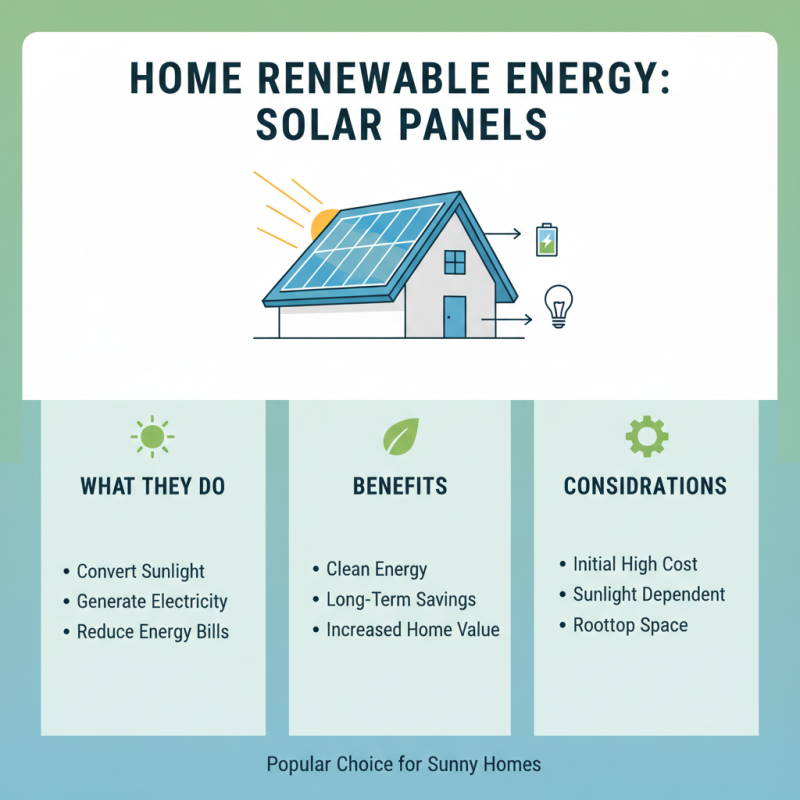
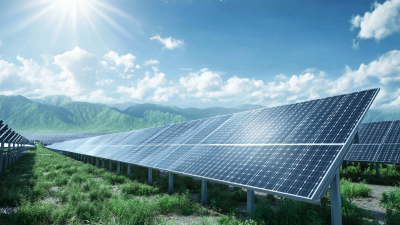
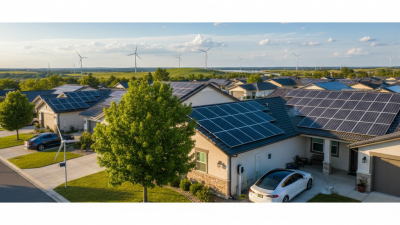
When choosing renewable energy systems for your home, consider various options available for residential use. Solar panels are among the most popular. They convert sunlight into electricity, reducing energy bills. A rooftop installation can be cost-effective in sunny areas. However, the initial investment can be high.
Wind turbines are another alternative. They harness wind energy to generate power. If you live in a breezy area, this could be suitable. Yet, they require space and may not be ideal for every neighborhood. Geothermal systems tap into the earth's heat. They provide heating and cooling for your home. The installation process can be complex, leading to potential hurdles.
Consider biomass systems as well. They use organic materials for energy. This option can be sustainable but involves careful sourcing of materials. Each system has its strengths and drawbacks. Assessing your home's energy needs and location will guide your decision. It's essential to weigh the advantages and challenges before making a final choice.
Factors to Consider When Selecting a Renewable Energy System
When selecting a renewable energy system for your home, several factors come into play. Energy consumption patterns are vital. According to the U.S. Department of Energy, households use an average of 877 kWh per month. Knowing your monthly usage helps identify suitable energy solutions.
Location significantly impacts the effectiveness of renewable systems. For instance, solar power can yield varying results based on regional sunlight availability. In areas with abundant sun, solar panels could generate over 1,500 kWh annually. In contrast, homes in less sunny regions might struggle to produce enough energy. Understanding your local climate is crucial.
Installation costs can be daunting. Data from the National Renewable Energy Laboratory shows that the average cost for solar energy systems is around $3 per watt. While upfront expenses may be high, financial incentives like tax credits and long-term savings make these systems appealing. However, potential homeowners should critically assess their return on investment. This journey involves both rational calculations and emotional decisions. It’s not just about facts; it’s about your lifestyle and commitment to sustainability.
Cost, Incentives, and Financing Options for Renewable Energy Projects
Choosing renewable energy for your home can be overwhelming. Understanding costs, incentives, and financing options is essential. Installation costs can vary widely based on the system type.
Solar panels may seem pricey up front. Wind turbines might be out of reach for some households. Yet, many homeowners find these systems cost-effective over time.
Incentives play a crucial role in making renewable energy accessible. Tax credits and rebates can significantly reduce initial expenses. Some states offer financial incentives to encourage adoption. Research local programs to understand what you qualify for.
Securing financing can be tricky. Some homeowners struggle with loans that aren't tailored for renewable projects. Others may not be aware of government-backed loans designed for green energy.
Calculating potential savings can be challenging. Energy bills may fluctuate, complicating long-term budgeting. Homeowners often overlook maintenance costs, which can add up. Reflect on your energy needs before committing to a system.
Consider whether you plan to stay in your home long-term. This decision influences whether the investment makes sense for you. Balancing these factors requires careful thought and planning.