What is Clear Energy and Why Does it Matter for Businesses?
In today's rapidly changing landscape, the concept of "clear energy" has gained significant traction. Clear energy refers to sources that minimize environmental impact, such as solar, wind, and hydroelectric power. According to the International Energy Agency (IEA), renewables accounted for nearly 30% of global electricity generation in 2021. This trend emphasizes the importance of clear energy for businesses aiming to achieve sustainability goals.
Transitioning to clear energy offers businesses numerous benefits. A report by Deloitte indicates that 80% of consumers prefer brands that demonstrate environmental responsibility. Companies using clear energy may attract more customers and improve brand loyalty. However, the transition poses challenges, including upfront costs and the need for infrastructure changes. Businesses must carefully navigate these issues to reap the rewards.
The urgency of adopting clear energy cannot be overstated. The World Resources Institute forecasts that climate-related risks could cost businesses over $2 trillion annually by 2030 if left unaddressed. This stark reality highlights the need for companies to embrace clear energy solutions. The journey may be complex, but the potential benefits for both the planet and the bottom line are compelling.

What is Clear Energy? An Overview of Its Definition and Types
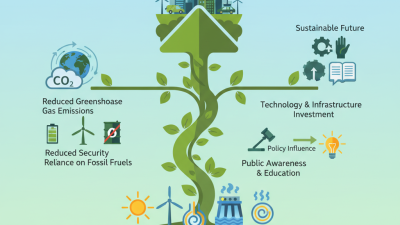
Clear energy refers to energy sources that have minimal environmental impact. It includes renewable resources like solar, wind, and hydroelectric energy. These sources are essential as they help reduce greenhouse gas emissions. Businesses can leverage clear energy to demonstrate their commitment to sustainability.
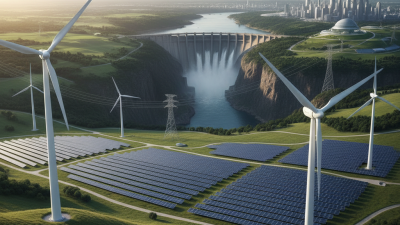
Different types of clear energy are available. Solar energy harnesses sunlight through panels for electricity. Wind energy uses turbines to convert wind into power. Hydroelectricity generates energy from flowing water. Companies can choose the best type based on location and resources. Understanding these options can guide businesses in making sustainable choices.
Tips: Look for local incentives for clear energy. These can help offset initial costs. Conduct an energy audit to identify areas for improvement. This is a practical step toward a cleaner energy solution. Each effort contributes to a larger environmental goal, though the journey can be challenging. Embrace the learning curve as part of the transition to clear energy.
The Importance of Clear Energy for Business Sustainability and Growth
Businesses today face increasing pressure to adopt sustainable practices. Clear energy is a key player in achieving this goal. According to a report by the International Renewable Energy Agency (IRENA), transitioning to renewable energy can reduce carbon emissions by up to 70%. This shift not only benefits the environment but also enhances a company's reputation among consumers. In a recent survey, 78% of consumers stated they would prefer brands committed to sustainable practices.
The financial implications of clear energy are significant. A 2021 study found that businesses investing in renewable energy sources experienced operational savings of 20-30%. These savings stem from reduced energy costs and lower volatility in energy prices. Additionally, with the growing trend toward corporate sustainability, companies focusing on clear energy solutions attract better investment opportunities. A report from Harvard University stated that sustainable businesses often see stock performance that outstrips competitors by 80% over the long term.
However, transitioning to clear energy is not without challenges. Many businesses struggle with high initial costs and limited infrastructure. Furthermore, a lack of regulatory clarity can deter companies from fully committing to renewable energy sources. Reflecting on these issues is crucial for businesses. The path to sustainability is complex and requires ongoing evaluation and adaptation to maximize both economic and environmental benefits.
Impact of Clear Energy Adoption on Business Growth
This chart illustrates the various impacts of adopting clear energy solutions on business growth and sustainability. Each factor is scored out of 10, illustrating that clear energy can significantly contribute to reduced costs, improved brand image, and regulatory compliance, all of which are crucial for modern businesses seeking sustainable growth.
Statistics on Clear Energy Adoption Among Businesses Worldwide
The adoption of clear energy among businesses worldwide is gaining momentum. Recent statistics reveal that over 40% of businesses now prioritize clear energy sources. This shift is driven by the necessity to reduce carbon emissions. Many companies see this as a path toward sustainability. The global push for clean energy is reshaping industry standards.
However, challenges remain. Some companies struggle to transition to renewable energy. Budget constraints often hinder their efforts. A lack of infrastructure in certain regions complicates the adoption process. Many businesses need practical solutions to overcome these barriers.
Despite the challenges, the interest in clear energy is undeniable. In some sectors, clear energy adoption rates exceed 60%. This trend indicates a collective movement toward environmental responsibility. Businesses are recognizing the long-term benefits of clear energy. Sustainable practices can lead to increased customer loyalty. Clear energy is not just a trend; it is becoming essential for future growth.
What is Clear Energy and Why Does it Matter for Businesses?
| Region |
Percentage of Businesses Adopting Clear Energy |
Average Reduction in Carbon Emissions (%) |
Projected Growth of Clear Energy Adoption by 2025 (%) |
| North America |
45% |
30% |
55% |
| Europe |
60% |
25% |
70% |
| Asia-Pacific |
35% |
20% |
50% |
| Latin America |
40% |
28% |
60% |
| Africa |
25% |
15% |
40% |
Cost-Benefit Analysis: Clear Energy vs. Traditional Energy Sources
The cost-benefit analysis of clear energy versus traditional energy sources reveals significant insights. Clear energy, such as solar and wind, often has lower operational costs. It requires less maintenance and can lead to reduced energy bills over time. However, the initial investment can be daunting for many businesses. There is a notable gap in understanding how to finance these clean alternatives effectively.
Traditional energy sources, while often cheaper upfront, carry hidden costs. They contribute to pollution and climate change, resulting in regulatory fees and potential damage to a business's reputation. The volatility of fossil fuel prices can also strain budgets. Businesses adopting clear energy may see long-term savings, but the uncertainty of changing technology can be a barrier.
Evaluating the benefits and challenges of clear energy is crucial. While many companies recognize the environmental advantages, the financial implications can be complex. There’s no one-size-fits-all solution. Each business must carefully assess its specific circumstances. This deliberation will ultimately guide the transition to more sustainable practices.
Future Trends: How Clear Energy is Shaping Business Strategies
Clear energy is not just a trend; it is reshaping business strategies across industries. The Global Energy Monitor reported that renewable energy capacity reached 2,799 gigawatts in 2022, signaling a major shift towards sustainable practices. This trend is influencing how companies allocate resources and design operations. Businesses are now prioritizing energy efficiency to reduce costs and improve their bottom line.
However, the transition to clear energy poses challenges. Many businesses struggle with the initial investment in renewable technologies. According to the International Renewable Energy Agency, the levelized cost of electricity from solar and wind has dropped by 88% and 49%, respectively, since 2010. Yet, not all companies can afford the upfront costs. This discrepancy raises important questions about equity in energy transition.
The future trends indicate a growing integration of sustainability in business models. A report by McKinsey shows that companies adopting clear energy practices can improve their resilience to market fluctuations. They are likely to gain consumer trust and enhance brand loyalty. Embracing clear energy isn't purely altruistic; it's a strategic move that reflects a business's commitment to long-term viability.