What is a DC Charging Connector and How Does It Work?
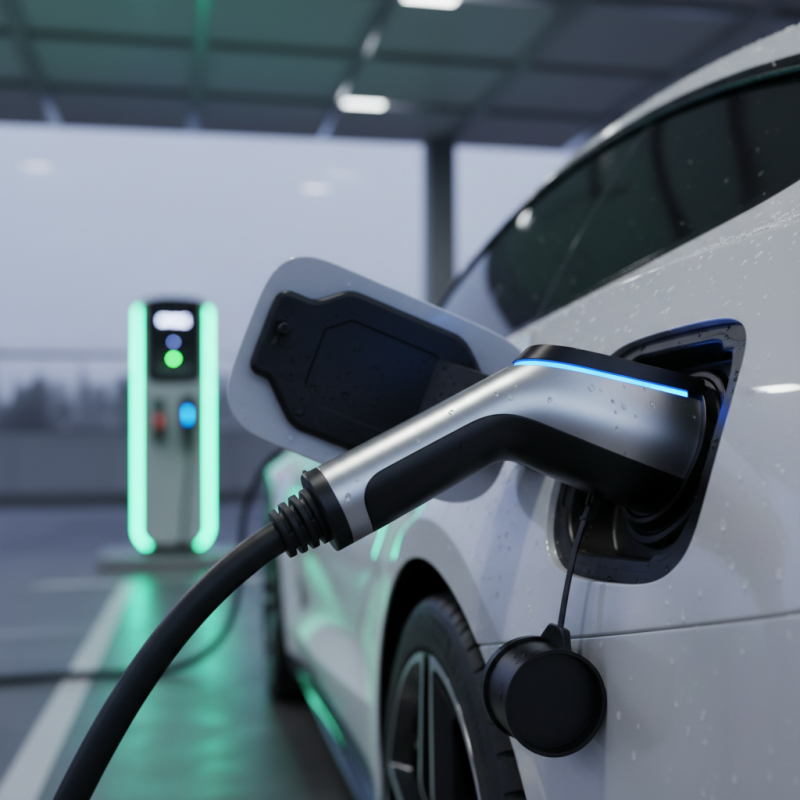
A Dc Charging Connector is essential for electric vehicle (EV) charging. It plays a crucial role in the charging process, linking the power supply and the vehicle. Understanding how it works helps users charge their EVs effectively.
This connector transforms electrical energy from a source to the battery. It uses direct current (DC) to deliver power quickly. Fast charging is possible due to its efficient design. However, compatibility is an issue. Different vehicles may require different connectors. This discrepancy can frustrate users seeking a convenient charging experience.
Reliable information about DC charging connectors can empower consumers. Knowing the specifications and standards enhances the charging process. However, the constant evolution of technology can create confusion. Keeping up with changes and trends is vital. Embracing this knowledge ensures better choices in EV adoption.
What is a DC Charging Connector?
A DC charging connector is an essential component for electric vehicles (EVs). It enables direct current to flow from a power source to the vehicle's battery. Typically, these connectors connect to charging stations that provide rapid charging capabilities. Unlike AC connectors, DC connectors can deliver a higher voltage, significantly reducing charging time.
Understanding how a DC charging connector works is crucial for EV users. The process begins when the vehicle's charging port aligns with the connector. The connector transfers energy through multiple pins, which deliver power efficiently. This is significant for those in urban areas where quick charging is necessary. However, not all EVs support the same DC connector types. Some users may face compatibility issues, which can be frustrating.
Additionally, safety features are built into the connectors to prevent issues during charging. For example, some models have thermal protection to stop charging when overheating occurs. However, not every system is perfect. Occasionally, users might encounter failures or inefficiencies. Such experiences highlight the need for continual improvements in connector technology. Understanding these nuances can enhance user interactions with charging infrastructure.
Types of DC Charging Connectors in Electric Vehicles
DC charging connectors play a critical role in electric vehicles (EVs) by providing efficient and rapid charging. Different types of DC charging connectors have emerged, each designed to meet various needs of EV users. The most common types include CCS (Combined Charging System), CHAdeMO, and Tesla's Supercharger connectors. According to the International Energy Agency, CCS is now the most prevalent charging standard for fast charging in Europe and North America, accounting for 70% of public DC charging stations.
CHAdeMO connectors, mainly used in Japanese EVs, allow for high-speed charging. However, their adoption is declining as CCS becomes more dominant. A report from EV Volumes indicated that CHAdeMO was present in about 12% of the global market share for DC fast chargers in 2022. Conversely, Tesla's connectors are proprietary but offer impressive charging speeds and their own extensive network of superchargers. This can lead to frustration for non-Tesla owners who may find fewer options available.
Many users express concerns about the compatibility of their vehicles with available charging stations. This reflects a broader need for standardization in charging technologies. While various connectors provide flexibility, their coexistence can create confusion. An evolving landscape means that manufacturers must be mindful of these challenges while designing new vehicles and charging stations. As the EV market grows, the push for uniform standards remains a topic of debate among industry experts.
Technical Specifications and Standards for DC Charging Connectors
DC charging connectors are essential for electric vehicles (EVs). They allow quick charging by transmitting direct current (DC) between the charging station and the vehicle. Different standards exist to ensure compatibility and safety. Common specifications include maximum voltage, amperage, and plug design. The Combined Charging System (CCS) is widely used in Europe and North America, while CHAdeMO is popular in Japan. These standards are crucial for a seamless charging experience.
When selecting a DC charging connector, consider the maximum power output needed. Higher power capacities reduce charging time significantly. However, one must also ensure that the vehicle supports it. Not all vehicles can handle high charging rates. It’s essential to check your vehicle's specifications before choosing a connector.
Tips: Always use connectors certified by recognized standards organizations. This ensures safety and efficiency in charging. Also, be mindful of the environmental conditions. Dust and moisture can affect connector performance. Regular maintenance checks can prevent potential issues.
How DC Charging Connectors Facilitate Fast Charging
DC charging connectors are pivotal in enabling fast charging for electric vehicles (EVs). These connectors harness direct current (DC) to transfer high power directly to the vehicle’s battery. A typical DC fast charger can deliver up to 350 kW, allowing an EV to charge from 20% to 80% in less than 30 minutes. This rapid charging capability is crucial for reducing downtime, allowing drivers to quickly resume their journeys.
One significant aspect of DC charging connectors is their compatibility with various charging protocols. Fast-charging stations often need to cater to different EV models. As per the International Energy Agency, EV sales are projected to reach 25 million globally by 2030. This rise in adoption highlights an urgent need for standardized DC charging systems to enhance user experience and infrastructure efficiency.
However, challenges persist. The infrastructure for fast charging is not uniformly developed, and accessibility varies widely by region. Issues such as the availability of charging stations and connection reliability need addressing. Operational downtime can frustrate users, leading to a negative perception of EV adoption. Addressing these shortcomings is essential for a robust charging network that meets the evolving demands of the EV market.
The Role of DC Charging Connectors in EV Infrastructure Development
DC charging connectors play a crucial role in the development of electric vehicle (EV) infrastructure. Their design facilitates efficient and rapid charging, which is essential for the widespread adoption of EVs. By enabling higher power transfer, these connectors reduce the time it takes to charge an EV significantly. This technology must evolve to accommodate the increasing demand for charging stations.
As cities plan for more EVs, the reliable performance of DC charging connectors becomes vital. These connectors must withstand varying weather conditions and heavy usage. Selecting the right materials and engineering design is necessary, but challenges often arise. Connection issues can lead to downtime and user frustration. Thus, continuous improvement is needed to enhance their resilience and reliability.
Investment in standardized connectors also raises questions. While standardization simplifies accessibility, it can limit innovation. The balance between uniformity and technological advancement requires careful consideration. Stakeholders must work together to navigate these complexities as they build a future where EV charging is seamless and efficient.