Why is the Energy Business Crucial for Global Sustainability?
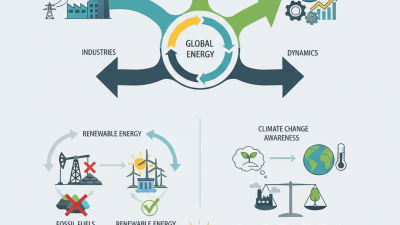
The energy business plays a vital role in our world. It fuels economies and powers daily lives. A sustainable energy sector is essential for tackling climate change.
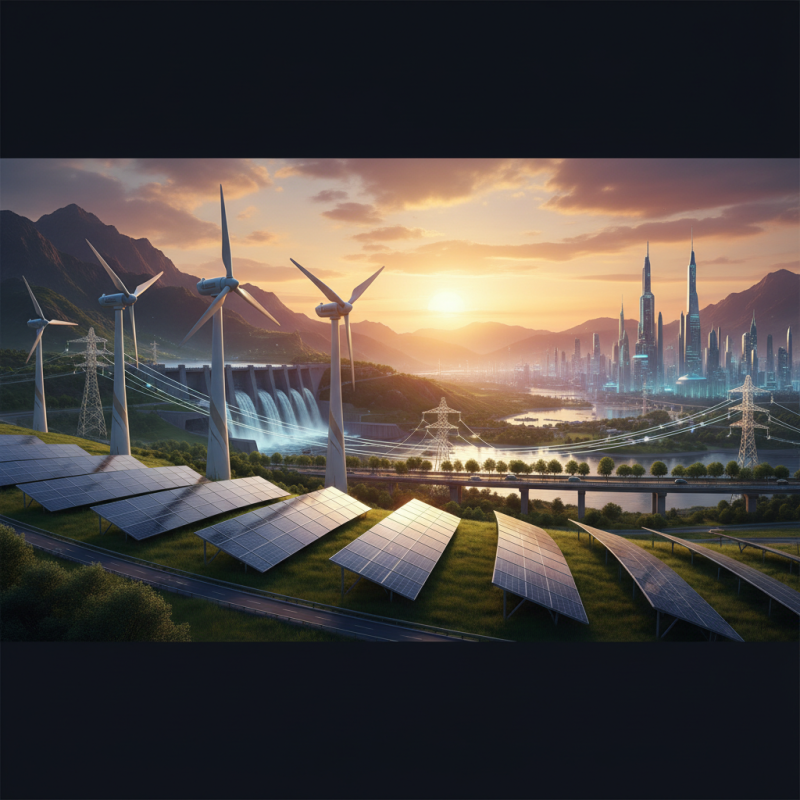
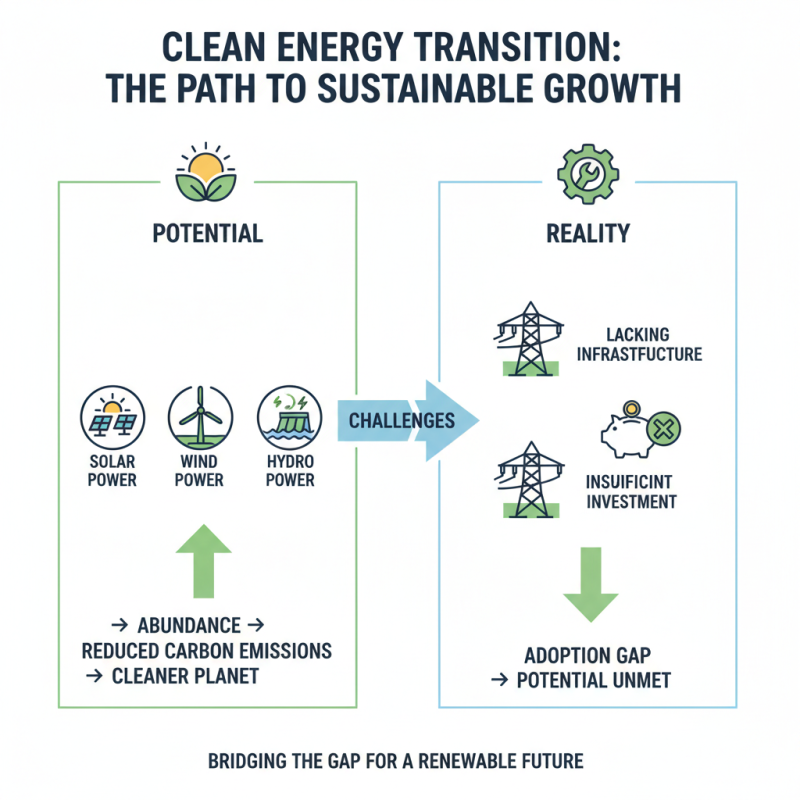
Transitioning to renewable sources is a pressing need. Solar, wind, and hydro power have immense potential. These resources can reduce carbon emissions significantly. However, challenges remain. Infrastructure updates and investment are crucial. Many regions still rely heavily on fossil fuels.
The energy business must adapt to thrive. Innovations in technology can help achieve sustainability goals. Yet, the path is fraught with obstacles. Meeting diverse energy needs while minimizing environmental impact is complex. Reflection on current practices can foster improvement. Turning challenges into opportunities is key for future progress.
The Role of the Energy Sector in Global Economic Development
The energy sector plays a pivotal role in global economic development. According to the International Energy Agency, energy consumption accounts for about 60% of global GDP growth. As economies expand, the demand for energy rises. This is evident in emerging markets, where energy access increases productivity and improves living standards. However, not all regions benefit equally.
Renewable energy investments have surged. In 2021, global investments reached over $300 billion. Yet, many areas still lack adequate infrastructure. Countries with limited energy access face significant hurdles. These nations often rely on fossil fuels, which can hinder sustainable growth. The transition to clean energy sources is essential. Nevertheless, it poses challenges. For instance, technological advancements may not be equally available everywhere.
Economic development relies heavily on energy equity. A recent study from the World Bank highlights that over 700 million people still lack reliable electricity. This gap in energy access creates disparities. Even with renewable initiatives, some regions lag significantly behind. Bridging this gap requires strategic partnerships and innovative financing models. Addressing these issues is vital for sustainable growth on a global scale.
Why is the Energy Business Crucial for Global Sustainability? - The Role of the Energy Sector in Global Economic Development
| Dimension |
Data Point |
Impact |
| Global Energy Consumption (2022) |
600 Exajoules |
Increased demand for sustainable energy sources. |
| Renewable Energy Share |
29% |
Reduction in greenhouse gas emissions. |
| Investment in Clean Energy (2021) |
$500 Billion |
Stimulates economic growth and job creation. |
| Global CO2 Emissions (2022) |
36.4 Billion Metric Tons |
Urgency for transition to renewable sources. |
| Energy Poverty |
789 Million People |
Need for sustainable energy access initiatives. |
| Electric Vehicle Sales (2022) |
6.6 Million Units |
Promotes reduction of urban air pollution. |
Transitioning to Renewable Energy Sources for Sustainable Growth
Transitioning to renewable energy sources is vital for sustainable growth. Solar, wind, and hydro power can help reduce carbon emissions. Their abundance offers a clear path towards a cleaner planet. Yet, many regions face challenges in adoption. Infrastructure is often lacking, and investments are not sufficient. This creates a gap between the potential and reality of renewables.
People need accessible information about renewable projects. Communities should engage in discussions about local initiatives. In many cases, the benefits of transitioning might not be immediately visible. There can be resistance due to fear of change. Innovative technologies may offer solutions, but they require public trust. Transparent communication is essential to build this trust.
Moreover, the transition is not without hurdles. Regulatory frameworks need updates to encourage growth. Many existing energy policies favor fossil fuels, making renewables less competitive. Policymakers must address these biases thoughtfully. Strong partnerships among governments, businesses, and communities will enhance the journey. The road toward sustainable energy is complex, but the potential rewards are significant.
Impact of Energy Consumption on Climate Change and Environmental Health
Energy consumption plays a vital role in climate change and environmental health. According to the International Energy Agency (IEA), energy-related CO2 emissions have surged dramatically. In 2022, global emissions reached over 36 billion metric tons. This stark figure is alarming. It highlights an urgent problem we must address.
Fossil fuels remain dominant in the energy sector, contributing to air pollution and greenhouse gas emissions. The World Health Organization estimates that air pollution causes around seven million premature deaths each year. This statistic underscores the direct link between energy consumption and human health. Renewable energy sources, such as wind and solar, offer some hope. They can reduce emissions significantly. Yet, their growth is slow. Investment in renewables must accelerate to combat climate issues effectively.
Despite the clear data, many regions struggle to shift away from fossil fuels. Transitional challenges exist; infrastructure, technology, and policies need improvement. Nations must collaborate on energy strategies. Local communities should also engage in sustainable practices. Without a collective effort, the planet's health and climate stability will remain at risk. We have the tools to make a difference, but action is imperative.
Innovations in Energy Technology: Paving the Way for a Sustainable Future
Innovation in energy technology is vital for achieving global sustainability. In 2022, renewable energy sources accounted for approximately 29% of global electricity generation, a substantial increase from previous years. However, the transition is still slow. Countries need to adopt more aggressive policies to encourage innovation. Investment in clean technology is essential. The International Renewable Energy Agency reported a need for $2 trillion per year to meet climate targets.
Energy storage technology is a prime innovation area. Advances in battery technology can improve efficiency and reduce costs. Current lithium-ion batteries are still expensive, hindering widespread adoption. Yet, new research is showing promise with alternatives like solid-state batteries. These could provide longer life spans and faster charging times. Still, developers face challenges in scaling up production.
Grid modernization is another critical aspect. Smart grids can optimize energy distribution and reduce waste. In the U.S., energy losses in transmission and distribution account for nearly 5% of total electricity generated. This represents a significant area for improvement. Overall, while there are many exciting developments, the path to a sustainable energy future remains complex and uncertain. Not every innovation will succeed. The industry must remain adaptive and reflective to truly accelerate progress.
Policy Frameworks Supporting Energy Sustainability and Global Cooperation
Policies play a vital role in promoting energy sustainability. They help create a structured approach to addressing energy issues. Governments around the world are developing regulations to reduce carbon emissions and promote renewable energy sources. New legislation encourages investments in clean technologies. However, these policies often face challenges. Some regions lack the necessary infrastructure. Others struggle with political resistance.
Global cooperation is essential in this effort. Countries must work together to share best practices. Collaborative projects can lead to innovative solutions. For example, joint ventures in solar energy can lead to shared benefits. Yet, disagreements on energy priorities can hinder progress. Differences in economic needs add to the complexity.
We also see gaps in enforcement. Policies may exist, but implementation often lags. Countries must prioritize accountability. Without monitoring, success is hard to measure. As we strive for sustainability, we must acknowledge these imperfections. The journey is ongoing and requires collective effort and commitment.