As we approach 2025, the field of energy engineering is poised for remarkable advancements that promise to reshape how we approach energy production, distribution, and consumption. This dynamic discipline is at the forefront of tackling some of the most pressing challenges related to sustainability and climate change, as well as enhancing energy efficiency across various sectors. Innovations in renewable energy technologies, smart grids, and energy storage solutions are not only catalyzing new opportunities for engineers but are also crucial for meeting the increasing global demand for cleaner energy sources.
The trends we anticipate in energy engineering will revolve around the integration of advanced technologies such as artificial intelligence, Internet of Things (IoT), and blockchain, which are set to revolutionize energy management systems. These innovations will enable more efficient energy usage, reduce waste, and enhance the reliability of energy supplies. Furthermore, the growing emphasis on decarbonization and the transition to net-zero emissions will spur investments in research and development, presenting ample opportunities for professionals in the energy engineering field. As we delve deeper into the emerging trends and opportunities for 2025, it is imperative for stakeholders to stay informed and adaptable in this rapidly evolving landscape.
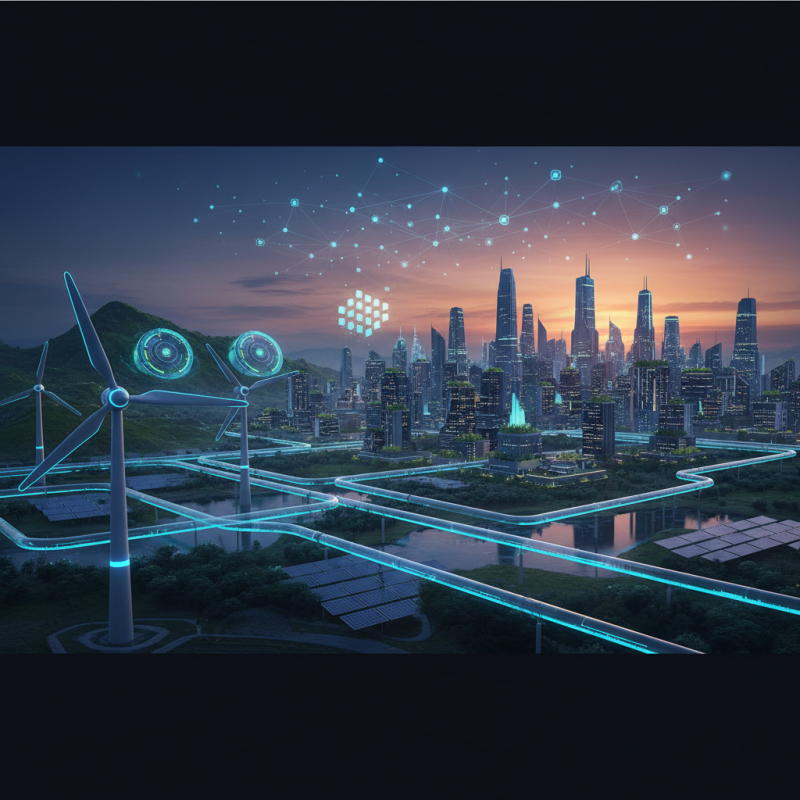
As we approach 2025, key innovations in renewable energy technologies are set to reshape the energy landscape significantly. One noteworthy trend is the advancement of energy storage systems, particularly in the realm of battery technology. Enhanced battery efficiency, longevity, and charging speeds will allow for greater integration of renewable sources like solar and wind energy into the grid. These improvements not only stabilize energy supply during fluctuations but also support the increasing demand for electric vehicles, thereby facilitating a transition to a more sustainable transportation sector.
Another pivotal development lies in the deployment of artificial intelligence (AI) and machine learning in optimizing renewable energy generation and consumption. By leveraging predictive analytics, energy providers can better forecast demand patterns and adjust energy distribution accordingly. This intelligent management can lead to reduced waste and lower costs, enhancing the overall feasibility of renewable systems. Furthermore, innovations in smart grid technologies will enable more efficient integration of distributed energy resources, empowering consumers to contribute to energy production directly, thus promoting a more resilient and participatory energy ecosystem.
As we approach 2025, energy storage solutions are becoming increasingly pivotal in the transition towards sustainable energy systems. The growing demand for reliable and efficient energy storage technologies is driven by the need to balance energy supply and demand, especially as renewable sources like solar and wind become more prevalent. Innovations in battery technology, such as advances in lithium-ion batteries, solid-state batteries, and flow batteries, are crucial for enhancing energy storage capacity and efficiency. These developments not only enhance the life cycle of energy storage systems but also help in managing energy during peak usage periods, thereby ensuring grid stability and resilience.
Furthermore, emerging trends in energy storage are influencing various sectors, from residential to industrial. The proliferation of home energy storage systems allows consumers to store excess energy produced during peak sunlight hours for use when generation is low. This self-consumption model empowers individuals and reduces dependence on the grid. On a larger scale, utility-scale energy storage systems are being deployed to support renewable energy integration, mitigate intermittency issues, and provide ancillary services to grid operators. As smart grid technology evolves, the synergy between energy storage and digital solutions creates opportunities for enhanced monitoring and management of energy flows, driving greater efficiencies in energy usage and contributing to a more sustainable future.
Smart grids are revolutionizing the energy management landscape by incorporating advanced technologies that enhance efficiency, reliability, and sustainability. Unlike traditional energy systems, smart grids utilize real-time data and communication networks to facilitate a two-way flow of information between energy providers and consumers. This interactivity allows for better demand response strategies, enabling consumers to adjust their energy usage based on supply availability and pricing, ultimately leading to reduced energy costs and consumption.
As we approach 2025, the role of smart grids will become increasingly critical in integrating renewable energy sources into the existing energy infrastructure. They are designed to accommodate the growing prevalence of decentralized power generation, such as solar panels and wind turbines. By intelligently managing the energy flow from these sources, smart grids not only enhance grid stability but also reduce dependence on fossil fuels. Furthermore, the incorporation of advanced analytics and artificial intelligence will empower utilities to predict demand fluctuations and implement optimized maintenance schedules, ensuring a more resilient energy system tailored to future needs.
| Trend | Description | Impact | Opportunities |
|---|---|---|---|
| Smart Grids | Integration of digital technology with traditional grid infrastructure for enhanced efficiency. | Increased reliability and reduced operational costs for energy providers. | Jobs in grid management, software development for smart solutions, and cyber security. |
| Energy Storage Systems | Advanced batteries and storage solutions to store energy from renewable sources. | Facilitate the use of renewables, enabling better grid stability. | Research and development, manufacturing of energy storage technologies. |
| Decentralized Energy Systems | Local energy generation and usage, reducing dependency on central grids. | Empowering consumers and increasing energy resilience. | Local energy projects, partnerships for community energy solutions. |
| Demand Response Technologies | Systems that adjust consumer electricity usage in response to supply conditions. | Enhances grid reliability and reduces peak load pressure. | Development of demand response software and consumer participation strategies. |
| Artificial Intelligence in Energy | AI applications for predictive maintenance, optimization, and energy management. | Enhanced operational efficiency and cost savings in energy sector. | Opportunities in AI software development, data analysis, and consulting. |
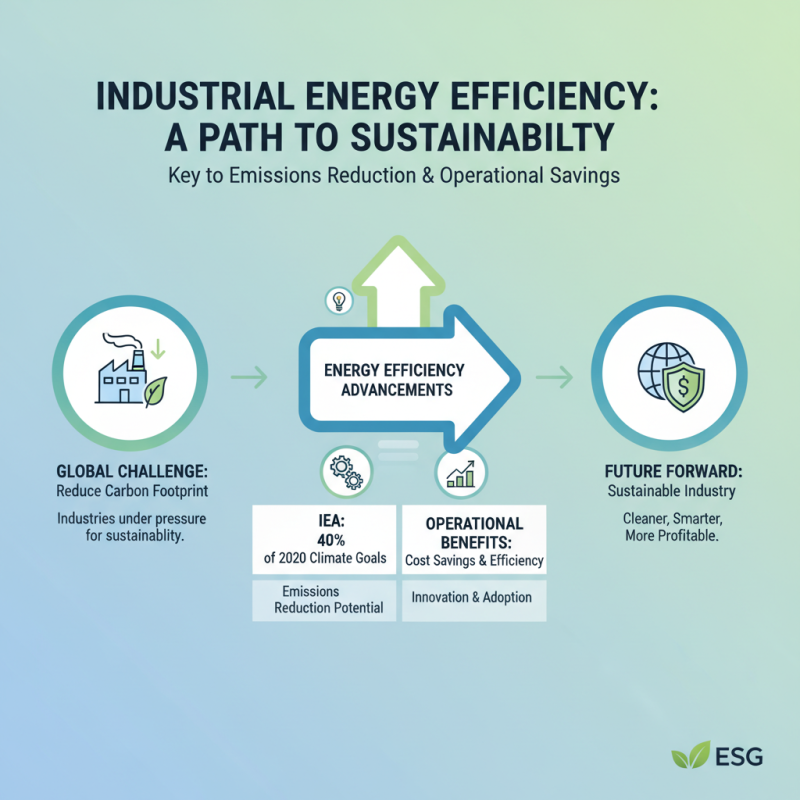
As industries face increasing pressure to reduce carbon footprints and enhance operational efficiency, advancements in energy efficiency practices are becoming essential. According to the International Energy Agency (IEA), energy efficiency improvements have the potential to contribute to up to 40% of the emissions reductions needed to achieve global climate goals by 2030. This growing recognition of energy efficiency as a critical lever for sustainability is prompting industries to innovate and adopt more efficient technologies and practices.
In 2025, businesses across various sectors are expected to implement cutting-edge solutions such as smart grid technologies, energy management systems, and advanced insulation materials. The Smart Electric Power Alliance (SEPA) estimates that the adoption of smart technologies could lead to an energy savings of over 25% in certain applications. Additionally, industries are increasingly investing in process optimization and predictive analytics, which enable real-time monitoring and adjustment of energy usage. This not only reduces energy waste but also translates to significant cost savings—research from McKinsey indicates that companies that invest in energy efficiency can expect a return on investment of up to 15%.
Furthermore, as regulatory frameworks toward energy efficiency tighten globally, organizations are finding compliance not only a necessity but also an opportunity for competitive advantage. A report by the World Economic Forum points out that energy-efficient practices can enhance brand reputation, attract environmentally conscious consumers, and even open new markets. Companies leading the charge in energy efficiency are not just reducing their operational costs; they are also setting themselves up as leaders in the evolving landscape of sustainable business practices.
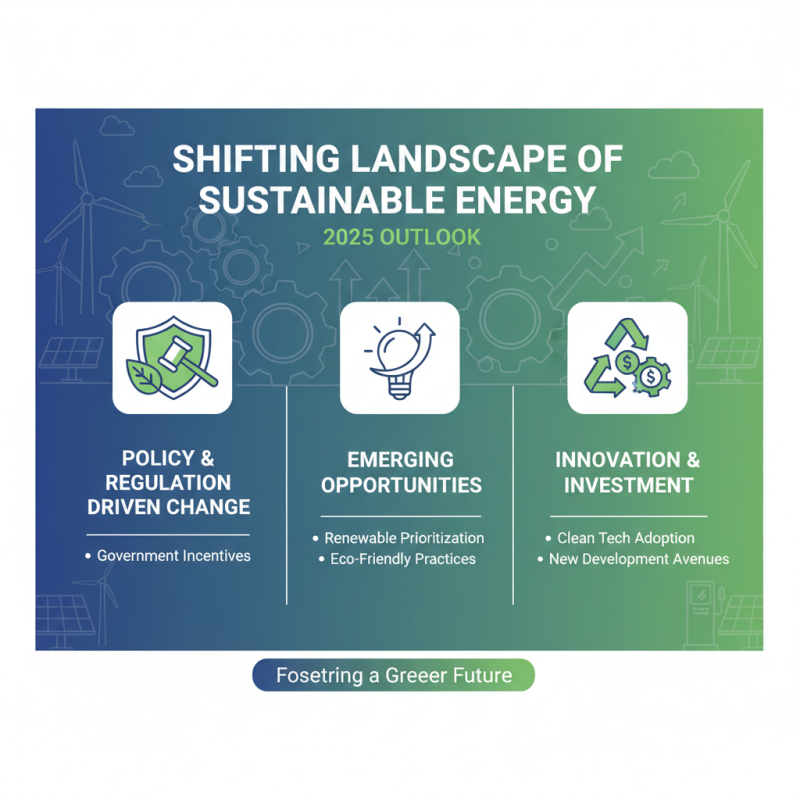
The landscape of sustainable energy is shifting dramatically, propelled by changes in policy and regulations aimed at fostering a greener future. In 2025, we can anticipate a multitude of opportunities emerging as governments and organizations prioritize renewable energy sources and environmentally friendly practices. These transformations are likely to create an environment rich in innovation, where policies designed to incentivize the adoption of clean technologies will open new avenues for investment and development.
A critical area of focus will be the implementation of more stringent carbon emissions standards and renewable portfolio requirements. As policymakers push for a significant reduction in greenhouse gas emissions, businesses engaged in energy production and distribution will need to adapt quickly. This regulatory shift will not only encourage existing players to transition toward sustainable practices, but it will also invite new entrants to the market, particularly in the fields of renewable energy generation, energy storage, and electric mobility. The interplay between policy and regulation will thus serve as a catalyst for technological advancements, making 2025 a pivotal year for sustainable energy initiatives and paving the way for a cleaner, more resilient energy infrastructure.