Top 10 Energy Storage Solutions to Maximize Efficiency and Sustainability
As the global demand for clean energy continues to surge, energy storage solutions have emerged as a critical element in the transition towards a more sustainable and efficient energy landscape. According to the International Energy Agency (IEA), the global energy storage market is projected to reach 1,000 gigawatt-hours (GWh) by 2040, highlighting the need for innovative storage technologies that can enhance grid flexibility and reliability. This growth is driven by the increasing integration of renewable energy sources such as wind and solar, which require effective storage solutions to mitigate intermittency and ensure a stable power supply.
Dr. Emily Wong, a leading expert in energy storage systems, emphasizes the importance of advancing these technologies: "Energy storage solutions not only provide a buffer for renewable energy but also play a crucial role in managing demand and improving overall grid resilience." Her insights underline the pivotal role of energy storage not just in enhancing efficiency but also in supporting the broader goals of sustainability and climate change mitigation. As we explore the top 10 energy storage solutions available today, it is essential to consider both their technological advancements and the strategic implications they hold for energy management and environmental stewardship in the years to come.
Overview of Energy Storage Technologies
Energy storage technologies play a pivotal role in enhancing efficiency and promoting sustainability across various sectors. These systems capture and retain energy for later use, addressing the intermittent nature of renewable energy sources such as wind and solar. According to a report by the International Renewable Energy Agency (IRENA), energy storage installations reached over 25 GW globally in 2020, with projections indicating a potential increase to around 200 GW by 2030. This surge is driven by the urgent need for grid stability, peak shaving, and energy management.
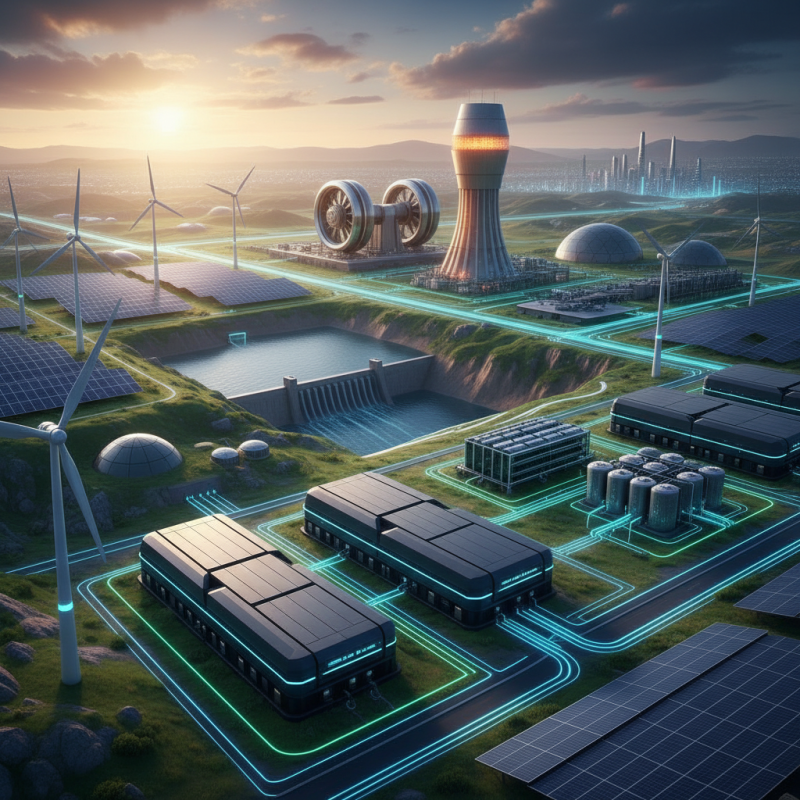
Various energy storage solutions are available, each with unique advantages and applications. Lithium-ion batteries are the most prevalent, favored for their high energy density and decreasing costs. Flow batteries, on the other hand, offer scalability and longer life cycles, making them suitable for large-scale applications. Additionally, mechanical storage solutions like pumped hydro storage enable vast amounts of energy to be stored and released over extended periods. According to a report from BloombergNEF, investments in energy storage technologies could reach $620 billion by 2040, underscoring their critical role in the transition to a cleaner energy future.
Tips: When considering energy storage solutions, evaluate the specific energy demands and usage patterns of your application. Prioritize systems that align with your sustainability goals and ensure compliance with local regulations. Additionally, stay updated on advancements in technology, as evolving innovations may present new opportunities for optimized energy storage solutions.
Importance of Energy Storage in Sustainable Development
Energy storage plays a pivotal role in sustainable development by ensuring that renewable energy can be harnessed and utilized efficiently. The International Renewable Energy Agency (IRENA) indicates that energy storage could contribute to a 20% reduction in greenhouse gas emissions by managing the supply and demand of renewable sources, such as solar and wind.
By storing excess energy generated during peak production times, these systems ensure a reliable and consistent power supply, which is crucial for integrating renewable energy into the grid and maintaining energy security.
As industries and municipalities adopt energy storage solutions, they can significantly alleviate stress on the power grid, leading to lower operational costs. According to a report from BloombergNEF, the energy storage market is expected to grow to $620 billion by 2040. This increase not only underscores the economic benefits of energy storage but also highlights its importance in transitioning to a low-carbon economy.
Tips for maximizing the efficiency of energy storage systems include:
- Regularly assessing and updating existing technologies,
- Investing in advanced battery systems with higher cycle efficiencies,
- Considering local energy needs when designing renewable integration solutions.
Additionally, collaborating with local stakeholders can optimize the deployment of storage technologies that align with regional sustainability goals.
Comparative Analysis of Top Energy Storage Solutions
In the modern energy landscape, the need for efficient and sustainable energy storage solutions is paramount, especially as renewable energy sources gain prominence. According to a report by the International Energy Agency (IEA), global energy storage capacity has doubled over the past five years, highlighting the growing demand for effective storage technologies. Among the leading energy storage methods, lithium-ion batteries continue to dominate, largely due to their high energy density and declining costs. In 2022, the average price of lithium-ion battery packs fell to around $132 per kWh, marking a significant decrease from previous years, thus encouraging widespread adoption across various sectors.
However, other solutions such as pumped hydro storage, flow batteries, and compressed air energy storage (CAES) also show vast potential in enhancing efficiency and sustainability. A study published in Energy Storage Research indicates that pumped hydro represents the largest share of global energy storage capacity, accounting for nearly 95% of the total installed capacity as of mid-2023. Meanwhile, the flow battery market is projected to grow at a compound annual growth rate of 30% over the next five years, driven by their ability to provide long-duration energy storage, which is crucial for balancing intermittent renewable energy sources. As systems evolve, a comparative analysis of these technologies will pave the way for optimizing energy storage solutions in alignment with sustainability goals.
Implementation Challenges and Considerations
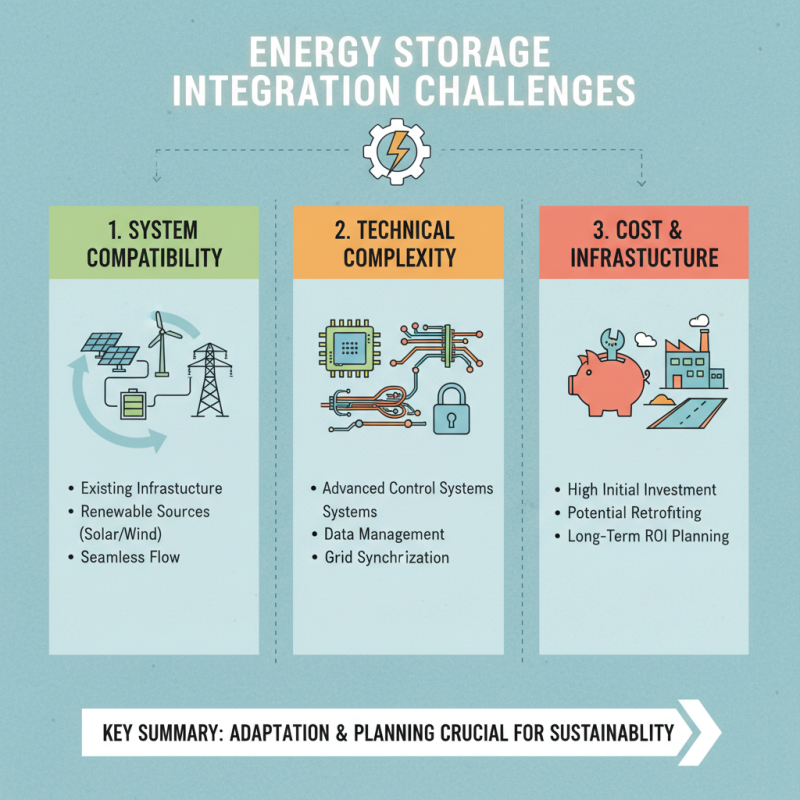
Implementing energy storage solutions involves navigating a series of challenges that can significantly impact their efficiency and sustainability. One primary consideration is the integration with existing energy systems. Energy storage technologies must be compatible with current infrastructure and renewable energy sources, such as solar and wind, to ensure a seamless energy flow. This compatibility requires careful planning and potential retrofitting of current systems, which can entail significant costs and complexity.
Another critical challenge is the selection of appropriate technology based on specific use cases and geographical factors. Various energy storage solutions vary in their response time, capacity, and lifespan. Deciding which technology to implement can be daunting, as it necessitates a comprehensive assessment of energy demand patterns, environmental impact, and scalability. Furthermore, there are financial implications associated with each technology, including initial investment costs and long-term operational expenses. Addressing these considerations effectively is crucial for maximizing the benefits of energy storage in promoting sustainability and efficiency.
Future Trends in Energy Storage Innovations
As the demand for clean and sustainable energy solutions continues to rise, advancements in energy storage technologies are essential for facilitating this transition. Innovations in battery chemistry, such as solid-state batteries and flow batteries, represent a significant leap forward, offering the potential for enhanced efficiency and longer lifespans. Solid-state batteries, which replace the liquid electrolyte with a solid medium, promise not only higher energy densities but also improved safety and stability. Meanwhile, flow batteries allow for scalable energy storage, which is crucial for accommodating variable renewable energy sources like solar and wind.
The integration of artificial intelligence and machine learning into energy storage systems is another promising trend. By optimizing charging and discharging cycles based on real-time energy demands and supply fluctuations, these technologies can significantly enhance the operational efficiency of energy storage solutions. Furthermore, emerging materials from advanced research, including graphene and nanomaterials, are being explored to improve capacity and reduce costs, paving the way for broader adoption of energy storage technologies in residential, commercial, and industrial applications. These innovations are not only pivotal in maximizing efficiency but also in fostering a more sustainable energy future.
Top 10 Energy Storage Solutions to Maximize Efficiency and Sustainability
This chart illustrates the capacity (in GWh) of various energy storage solutions that are key to enhancing efficiency and sustainability in energy management. The focus is on technologies such as lithium-ion batteries, pumped hydro storage, and others, showcasing their potential impact on future energy systems.