What is an Energy Storage System and How Does It Work for Your Needs
In the rapidly evolving landscape of renewable energy, the importance of an energy storage system cannot be overstated. These systems play a crucial role in enhancing the reliability and efficiency of energy supply, allowing businesses and homeowners alike to optimize their energy consumption. According to Dr. Lydia Hargrove, a leading expert in energy storage technologies, "An energy storage system is not just a storage solution; it is a pivotal component of our transition to a more sustainable energy future." This statement encapsulates the transformative impact that energy storage systems have on our ability to harness and utilize renewable resources effectively.
As the world moves towards greener energy solutions, understanding how an energy storage system operates becomes essential for meeting individual and collective energy needs. These systems function by capturing excess energy during periods of high generation, such as sunny days for solar panels or windy conditions for wind turbines, and releasing it during times of demand. This capability not only balances the supply and demand of energy but also enhances grid stability and reduces reliance on fossil fuels. Ultimately, embracing energy storage systems can lead to a more resilient and sustainable energy infrastructure, paving the way for a cleaner tomorrow.
What is an Energy Storage System?
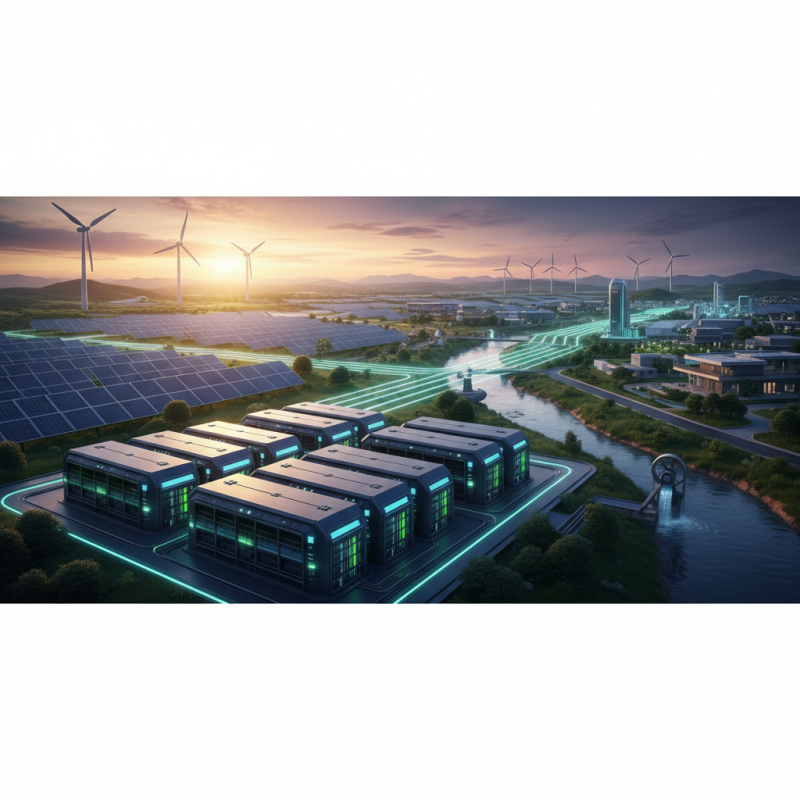
An Energy Storage System (ESS) is a technology that captures energy for use at a later time. It allows for the storage of energy produced from various sources, such as solar panels or wind turbines, which can be utilized during periods of high demand or when generation is low. Typically, the most common types of energy storage systems include batteries, pumped hydro, and compressed air. By storing energy, these systems enhance the reliability of the power supply, ensure a smoother transition between energy production and consumption, and promote the use of renewable energy.
When considering an Energy Storage System for your needs, it's crucial to assess your specific energy consumption patterns and peak usage times. This understanding will guide you in selecting the right system size and type. For instance, if your household relies heavily on solar power, an appropriate battery system could store surplus energy generated during the day for use during the night.
Tips:
- Evaluate your energy needs thoroughly. Consider factors such as the appliances you use, peak usage hours, and any renewable energy systems you currently have.
- Invest in a smart monitoring system that tracks energy production and consumption. This will provide insights into how much energy you can store and when it is most beneficial to utilize it.
With this knowledge, you can make informed decisions that maximize your energy storage capabilities and efficiency.
Energy Storage System Capacity and Usage
This chart illustrates the energy storage capacity (in MWh) of various energy storage technologies. The data highlights the varying capabilities of storage systems such as batteries, flywheels, pumped hydro, compressed air, and thermal storage. Understanding these capacities can help assess which system aligns best with specific energy needs.
Types of Energy Storage Systems Available Today
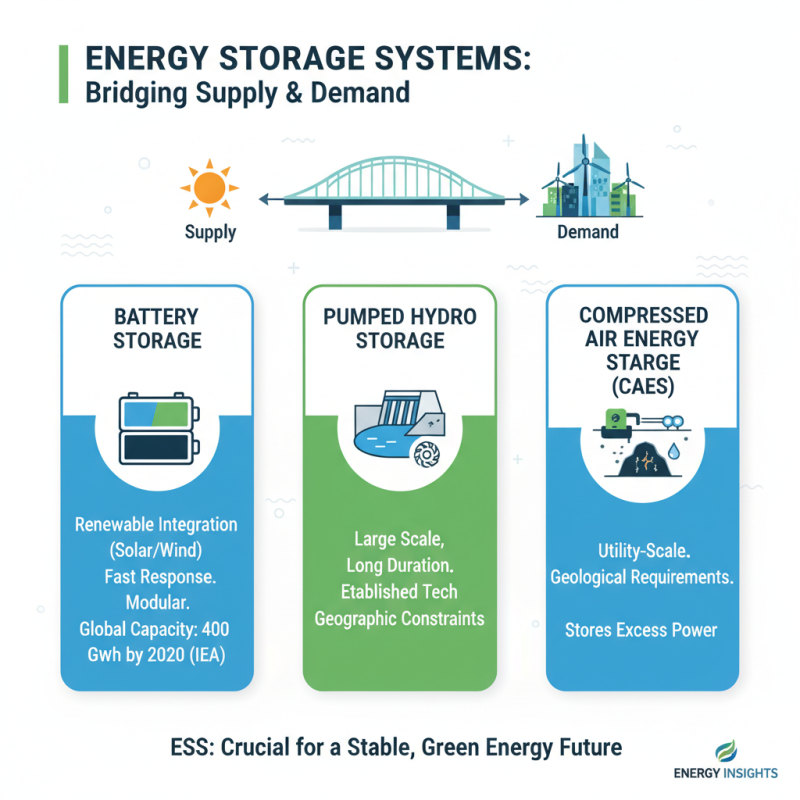
Energy storage systems (ESS) are essential for managing energy resources effectively, offering a bridge between supply and demand across various sectors. There are several types of energy storage systems available today, each serving different needs and applications. The most prominent technologies include battery storage, pumped hydro storage, and compressed air energy storage (CAES). According to the International Energy Agency (IEA), global battery storage capacity has been growing at an impressive rate, with estimates showing that it could reach 400 gigawatt-hours by 2030, driven by the increasing demand for renewable energy integration.
Battery storage, particularly lithium-ion technology, is widely used for both residential and commercial applications due to its efficiency and versatility. This type of ESS can store excess solar or wind energy during peak generation times and release it when demand is high, effectively smoothing out intermittent energy supply. On the other hand, pumped hydro storage remains the most established large-scale energy storage solution, accounting for nearly 95% of global energy storage capacity. The IEA reports that advancements in this technology could enhance its efficiency and lower environmental impacts, potentially allowing it to contribute significantly to renewable energy systems.
Compressed air energy storage is another innovative approach, enabling the storage of electrical energy in the form of compressed air. This technology is particularly attractive for large-scale energy storage, capable of providing grid stability and energy arbitrage. Recent studies suggest that investment in diverse energy storage technologies will be critical to achieving global climate targets, with the U.S. Energy Storage Association projecting a 10-fold increase in deployment by 2030. As various solutions continue to evolve, energy storage systems are set to play a pivotal role in the future energy landscape.
How Energy Storage Systems Work: A Technical Overview
Energy Storage Systems (ESS) are crucial components that allow users to store energy for future use, helping to balance supply and demand. At the core of an ESS are various technologies that harness energy during low-demand periods and release it during peak times. Common methods include batteries, flywheels, and pumped hydro storage, each with unique working principles and efficiencies. For instance, batteries convert electrical energy into chemical energy, storing it for later discharge as electricity. Pumped hydro systems, on the other hand, use gravitational potential energy by pumping water uphill to a reservoir and releasing it to generate power when needed.
The operational mechanics of an ESS often involve an integrated control system that monitors energy flow, ensuring optimal charging and discharging cycles. This system assesses demand patterns, grid conditions, and energy prices, allowing the ESS to make informed decisions about when to store or supply energy. Additionally, advanced energy management software plays a role in predicting energy consumption trends, further enhancing the system's effectiveness. By employing sophisticated algorithms, these systems can help maximize efficiency, reduce operational costs, and minimize environmental impact, making them a valuable asset for both residential and commercial energy needs.
Benefits of Utilizing an Energy Storage System for Your Needs
Energy Storage Systems (ESS) are revolutionizing the way we manage energy consumption. These systems allow users to store excess energy generated from renewable sources, like solar and wind, to be used during periods of high demand or low generation. According to a report from the International Energy Agency, the global energy storage market is expected to grow significantly, with a projected increase of 40% per year, reaching a capacity of 600 GWh by 2040. This growing adoption illustrates the increasing recognition of the benefits of energy storage solutions.
Utilizing an ESS can provide numerous advantages tailored to both residential and commercial needs. One of the most significant benefits is cost savings. By storing energy during off-peak hours and using it during peak pricing times, users can save substantially on their utility bills. The U.S. Department of Energy notes that energy storage can reduce peak demand by up to 30%, which not only lowers costs for users but also decreases strain on the grid. Furthermore, energy storage enhances reliability and resilience, ensuring that critical operations can continue uninterrupted during power outages or fluctuations in energy availability, making it an essential component for modern energy management strategies.
Considerations for Choosing the Right Energy Storage Solution
When selecting the right energy storage solution, several key factors should be considered to ensure it meets your specific needs. First, assess your energy requirements by examining your daily consumption patterns and identifying peak usage times. This analysis will help you determine the capacity and output needed from the storage system. Additionally, consider the type of energy you will be storing, whether it’s from renewable sources like solar or wind, or traditional sources. The storage solution’s compatibility with your energy generation sources plays a crucial role in maximizing efficiency.
Another important consideration is the geographical and environmental conditions of your location. The effectiveness of various energy storage technologies can vary based on local climate and temperature fluctuations. For instance, certain batteries may experience decreased performance in extreme temperatures. It’s also vital to evaluate the longevity and maintenance requirements of the system you choose. Systems with longer lifespans may offer better value over time, while those needing frequent upkeep can become costly. Finally, factor in the initial investment and potential incentives or rebates available for adopting energy storage solutions, as these can impact the overall cost-effectiveness of your chosen system.
What is an Energy Storage System and How Does It Work for Your Needs - Considerations for Choosing the Right Energy Storage Solution
| Energy Storage Type |
Working Principle |
Applications |
Pros |
Cons |
| Lithium-ion Batteries |
Energy is stored in chemical form and converted back to electricity. |
Residential, commercial, electric vehicles. |
High energy density, fast charging. |
High cost, potential thermal runaway. |
| Pumped Hydro Storage |
Water is pumped to a higher elevation and stored as potential energy. |
Grid energy management, large scale applications. |
High capacity, mature technology. |
Geographically limited, high capital costs. |
| Flow Batteries |
Energy is stored in liquid electrolytes, which circulate through the system. |
Utility-scale storage, renewable integration. |
Long cycle life, scalable energy capacity. |
Lower energy density, higher complexity. |
| Compressed Air Energy Storage (CAES) |
Air is compressed in underground caverns and released to generate electricity. |
Grid stability, large-scale renewable energy integration. |
Long discharge duration, large capacity. |
High up-front costs, limited suitable sites. |
| Supercapacitors |
Energy is stored electrostatically, allowing rapid charge and discharge. |
Electric vehicles, UPS systems. |
Rapid charging, long cycle life. |
Lower energy density, complexity in applications. |