
Top 10 Ways Energy Transition is Shaping Our Future?
The energy transition is a profound shift shaping our future. It marks the movement from fossil fuels to renewable resources. This transformation influences various sectors, from transportation to agriculture. Energy transition aims to reduce carbon emissions and combat climate change. However, it also presents challenges that society must confront.
One significant impact of energy transition is job creation in green sectors. Solar and wind industries are growing rapidly. They offer new opportunities for workers willing to adapt. Yet, traditional jobs in fossil fuels face uncertainty. Upskilling is essential to minimize disruption. Communities must rethink their economic structures.
Public policies play a crucial role in this transition. Governments worldwide are setting ambitious targets for cleaner energy. Still, some policies are inconsistent and poorly executed. The public must hold leaders accountable. Education and awareness are vital. Understanding energy transition’s importance helps foster better choices for our future. Challenges abound, but the path forward can pave the way for sustainable living.
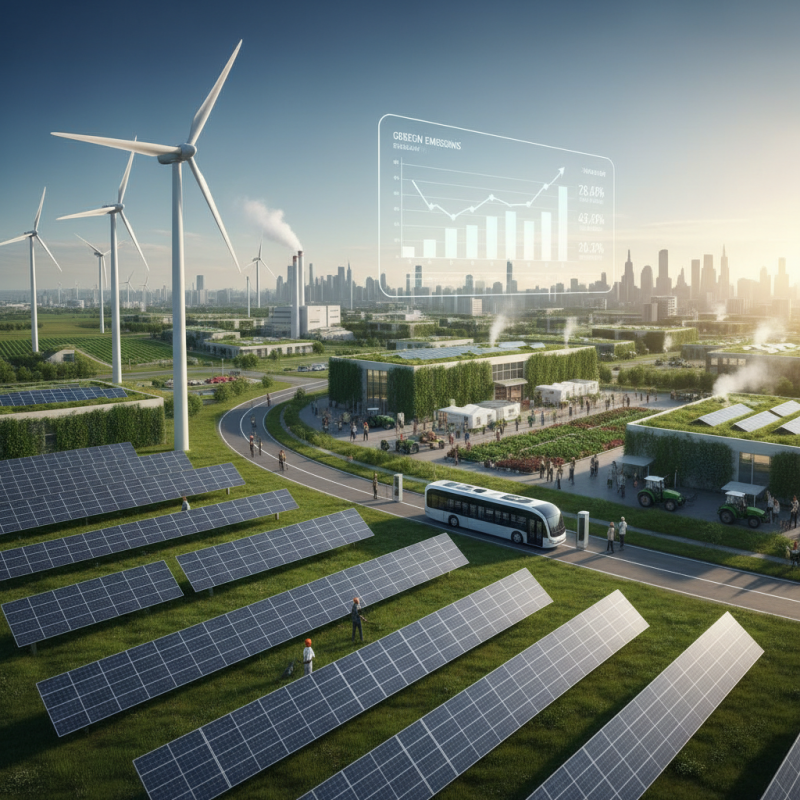
Impact of Renewable Energy Sources on Global Economies
The shift towards renewable energy is profoundly reshaping global economies. Reports indicate that investments in renewable energy have surged over the past decade. In 2020 alone, global investments in renewables reached nearly $300 billion. Such figures illustrate a significant commitment to energy transition.
Countries are increasingly dedicating resources to sustainable projects. However, the economic impact isn't evenly distributed. For instance, developing nations may struggle to access financing. This disparity raises concerns about equity in the energy transition. Energy poverty remains a challenge, as billions lack reliable energy access.
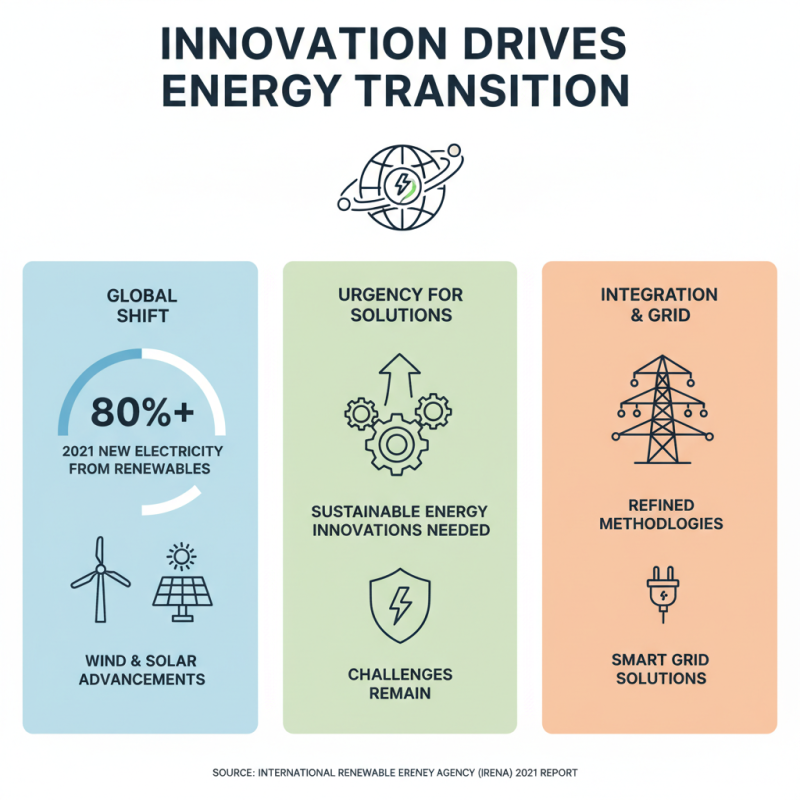
Job creation is another critical area influenced by renewable energy. According to the International Renewable Energy Agency, the sector created over 11 million jobs worldwide in 2018. Yet, this growth may not benefit all workers equally. Existing industries face disruption, leaving some workers vulnerable. Transitioning jobs requires retraining programs to ensure new employment opportunities. Balancing growth with fairness poses a continuous challenge.
Top 10 Ways Energy Transition is Shaping Our Future
| Rank | Impact Area | Description | Potential Economic Benefit |
|---|---|---|---|
| 1 | Job Creation | Transition to renewable energy sources creates numerous jobs in manufacturing, installation, and maintenance. | + 1.3 million jobs in the next decade |
| 2 | Energy Independence | Renewable energy reduces dependence on imported fuels, enhancing national security. | $20 billion savings on imports annually |
| 3 | Sustainable Development | Promotes long-term ecological balance and reduces environmental degradation. | Value of ecosystem services improved |
| 4 | Technological Innovation | Stimulates growth in R&D for new energy technologies and innovations. | Increased investment in clean tech, projected at $500 billion |
| 5 | Increased Resilience | Distributed energy systems reduce vulnerability to climate-related disruptions. | Reduction in disaster recovery costs |
| 6 | Public Health Improvement | Decrease in air and water pollution leads to better health outcomes. | $3 trillion in health savings over the next 30 years |
| 7 | Energy Access | Renewable sources help provide energy to underserved communities worldwide. | $100 billion potential in global energy access projects |
| 8 | Climate Mitigation | Reduces greenhouse gas emissions, helping to combat climate change. | Potential to save $50 trillion in climate-related damages |
| 9 | Decentralization of Energy | Empowers local communities with energy generation and management. | $200 billion in local investments |
| 10 | Global Cooperation | Fosters international collaborations on energy technologies and climate policy. | Potential for $1 trillion in collaborative projects |
Related Posts
-

Unlocking the Future: Innovative Strategies for Sustainable Energy Solutions in 2023
-
Top 5 Innovative Power Generation Technologies Transforming Energy Sector
-
10 Best Strategies for a Successful Energy Transition in 2023
-

How to Transition to Clean Energy: A Complete Guide for Homeowners
-
Top Energy Engineering Trends to Watch in 2025: Innovations and Opportunities
-
Maximizing Efficiency with Innovative Energy Storage System Solutions