2026 How to Ensure Reliable Power Supply for Your Home?
In today's fast-paced world, a reliable power supply is essential for every household. Unpredictable outages can disrupt daily life, damage appliances, and even affect our work. Many homes are unprepared for these situations. The increasing dependence on electricity makes it vital to ensure that we have a stable and secure power source.
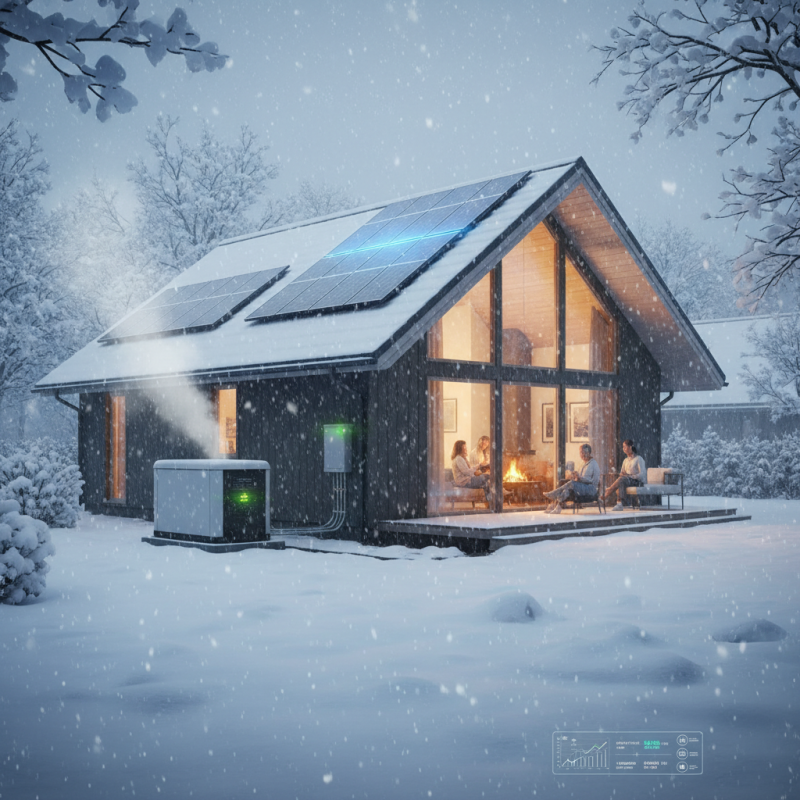
Consider the importance of sustaining power during extreme weather events. Storms or heavy snowfall can rip power lines down. Backup solutions, like generators, become crucial then. Homeowners should not ignore the risks of relying solely on the grid. The challenge lies in finding effective strategies to maintain a reliable power supply.
Investing in renewable energy sources could be a promising step. Solar panels, for instance, can contribute to independence from the grid. While they offer benefits, initial costs can be a barrier. The truth is, despite our efforts, we may still face interruptions. We must be prepared and adaptable in the face of these uncertainties.
Understanding the Reliability of Home Power Supply Systems in 2026
In 2026, ensuring a reliable power supply for your home is crucial. Power outages can disrupt daily life. Understanding how your home power supply system works is the first step to reliability. Many homes rely on a combination of grid electricity and backup options. Knowing the capacity of your system is essential.
Tips for enhancing your power reliability:
- Regularly check wiring and connections. Faulty wiring can lead to interruptions.
- Invest in a quality backup generator. It can keep essential appliances running during outages.
You might be tempted to ignore small glitches. A flickering light or tripped breaker can signal bigger issues.
Act on them sooner rather than later. Ignoring signs often leads to more significant problems down the road.
Consider solar panels as a sustainable backup. They can provide power even when the grid fails. But remember, maintenance is key. Clean panels and check for debris regularly.
Small investments in upkeep lead to better efficiency.
Evaluating the Impact of Renewable Energy on Home Power Reliability
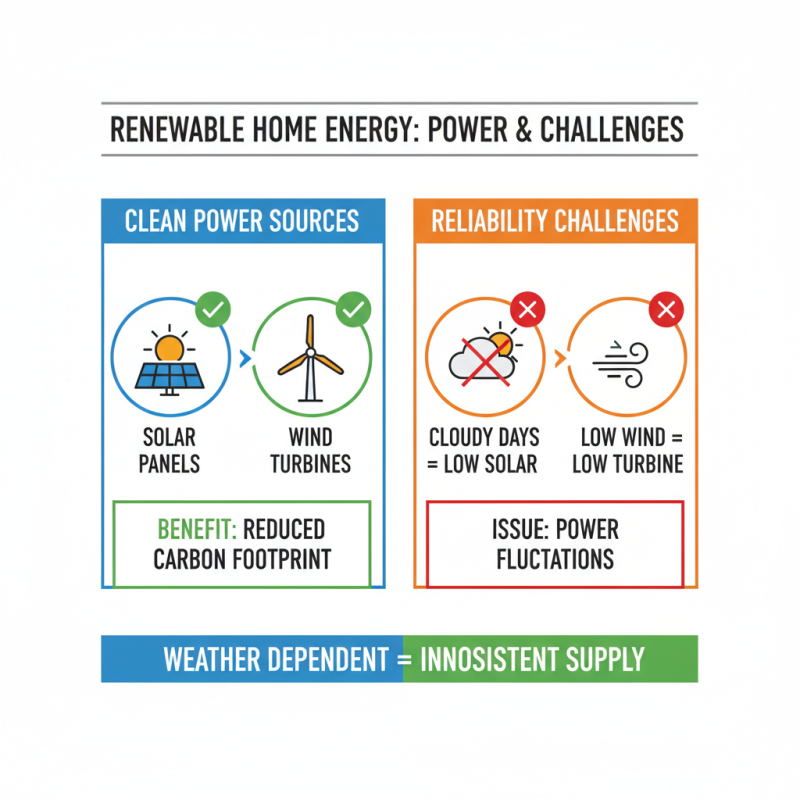
In recent years, renewable energy has gained significant traction as a power source for homes. Solar panels and wind turbines provide clean energy. However, their reliability can be inconsistent. Weather conditions play a major role here. Cloudy days reduce solar output. Low winds affect wind turbine efficiency. These elements can lead to fluctuations in power supply.
Homeowners may need to consider energy storage systems. Batteries can store excess energy generated during sunny or windy days. This can ensure a steady power supply when conditions aren't optimal. Yet, the initial investment can be high. Not everyone can afford these systems. Additionally, the lifespan of batteries raises questions about sustainability.
There’s also the challenge of integrating renewable energy into existing infrastructure. Some homes may not be ready to accommodate new technology. Upgrades can be costly and time-consuming. These factors can cause frustration for those looking to make the switch. It's clear that while renewable energy offers promise, a solid plan is necessary to address its inherent challenges.
Key Technologies for Enhancing Home Power Supply Resilience
In 2026, ensuring a reliable power supply at home is crucial. Key technologies can significantly enhance power supply resilience. One notable advancement is the widespread adoption of solar energy systems. According to a recent report, residential solar installations have increased by 30% over the past three years. This growth reflects a shift towards renewable energy sources. However, many homeowners still face challenges, such as high upfront costs and variable energy outputs.
Energy storage solutions also play an important role. Battery storage allows homeowners to save excess solar energy for use during peak times. Research indicates that homes with energy storage systems can reduce their reliance on the grid by up to 70%. Yet, the availability of quality batteries varies, and not everyone can access this technology.
Smart grid technologies further enhance power supply reliability. These technologies offer real-time monitoring and control of energy use. Studies show that smart grids can prevent up to 30% of outages. Still, integration remains a challenge for older infrastructures. Homeowners must navigate these complexities to improve their energy resilience effectively.
The Role of Energy Storage Solutions in Ensuring Consistent Power Supply
In recent years, energy storage solutions have gained traction. They play a vital role in maintaining a reliable power supply for homes. When the grid goes down or faces fluctuations, these systems can provide backup energy. However, many homeowners still overlook their importance.
Battery systems, for example, store surplus electricity during peak production times. They can release this energy when demand spikes. Yet, not all homes are equipped with such technology. Some people hesitate due to perceived costs or the complexity of installations. This hesitation can lead to missed opportunities for energy independence.
Moreover, the connection between energy storage and renewable sources is essential. Solar panels, for instance, work best with storage solutions. During sunny days, excess energy can be stored and used later. However, not all installations achieve optimal performance. Regular maintenance and monitoring are crucial. Homeowners must remain proactive to ensure these systems function effectively and consistently.
Power Supply Consistency: The Impact of Energy Storage Solutions
Government Regulations and Incentives Affecting Home Power Reliability
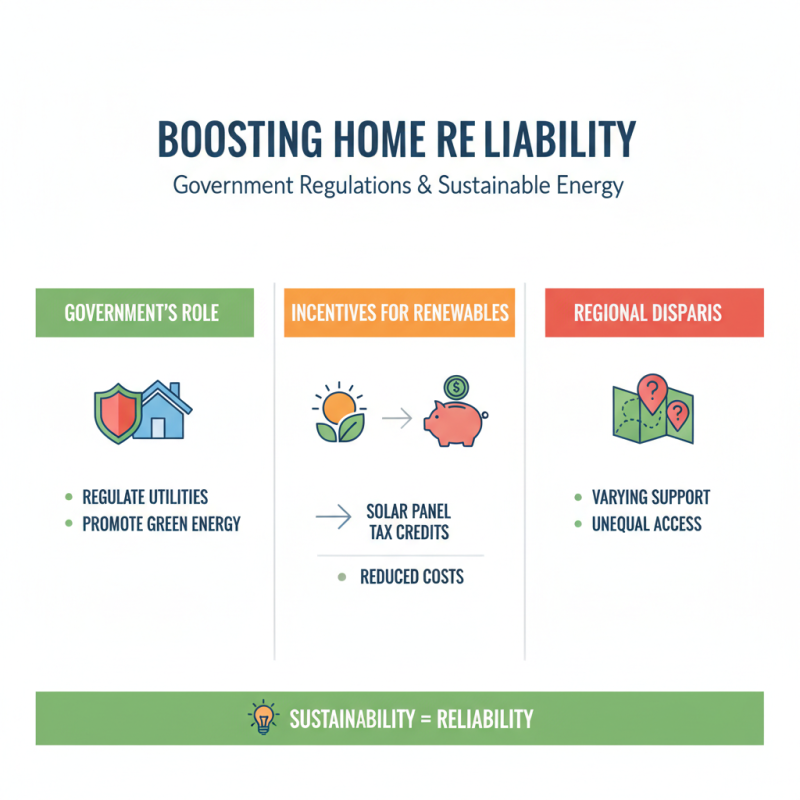
Government regulations play a crucial role in home power reliability. Initiatives often promote sustainable practices, encouraging homeowners to adopt renewable energy sources. For instance, some local governments offer tax incentives for installing solar panels. These incentives can reduce installation costs significantly. However, not all areas have the same support.
In addition to these incentives, regulations can also set minimum standards for energy efficiency. Homes must comply with certain codes to ensure reliability. This can include ensuring proper insulation and efficient appliances. While these regulations aim to improve overall energy use, they can be challenging for older homes. Retrofitting can be expensive and daunting for many homeowners.
Furthermore, understanding zoning laws can be complex. Some communities may have strict guidelines on the type of energy sources allowed. This can limit your options for backup systems, like generators or battery storage. It's essential to research your local laws before making any decisions. Balancing compliance with your power needs requires careful consideration.