Why Are Robot Lithium Batteries Essential for Robotics?
In the world of robotics, the role of robot lithium batteries cannot be overstated. These batteries are crucial for powering robotic systems. They provide a lightweight, efficient power source that supports various applications. From industrial robots to autonomous drones, the demand for reliable energy is growing.
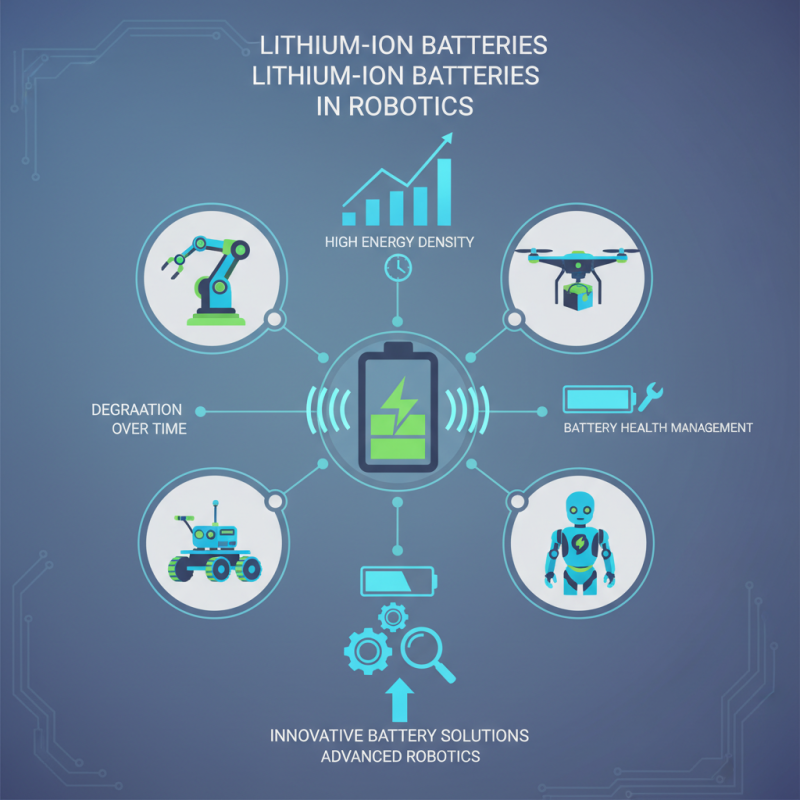
Robot lithium batteries offer several advantages. They have a high energy density, enabling longer operational times. This feature is essential for robots that need to work continuously. However, challenges exist. The performance of these batteries can degrade over time. Managing battery health is vital for ensuring optimal robotic function.
Overall, investing in robot lithium battery technology helps advance robotics. Addressing issues related to battery lifespan and efficiency is key. As robotics continues to evolve, so does the need for innovative battery solutions. Acknowledging these challenges can lead to improvements in battery design and application. This reflection can spark further development in the field.
The Role of Lithium Batteries in Modern Robotics Applications
Lithium batteries play a vital role in modern robotics applications. They are lightweight and offer high energy density. This makes them ideal for robots that require prolonged operation. According to a recent industry report, lithium-ion batteries account for over 65% of the global battery market in robotics. Their efficiency leads to reduced downtime and improved productivity.
However, there are challenges that need addressing. Battery lifespan in harsh environments can be a concern. Robots used in manufacturing may face extreme conditions. Degradation of batteries in such settings can hinder performance. In fact, studies show that temperature fluctuations can reduce battery efficiency by 20-30%, impacting overall robotic function.
Moreover, safety is paramount. Improper handling of lithium batteries can lead to risks such as fire or explosion. Training for safe use is often overlooked. It’s essential to ensure that operators understand battery management. Attention to these details can significantly enhance robotic applications.
Key Advantages of Lithium Batteries Over Traditional Battery Technologies
Lithium batteries have become a game changer for robotics. Their energy density is far superior to traditional battery technologies. This means robots can run longer without needing frequent recharging. A small robot powered by lithium can operate for hours, not minutes. This capability is crucial for tasks like search and rescue missions.
Moreover, lithium batteries are lighter. Robotics often requires mobility, and every ounce counts. A lighter battery allows for more advanced designs. However, it is essential to note the potential overheating issues. The thermal management of lithium batteries needs attention. Ignoring this can lead to performance reduction or damage.
Another significant advantage is the longevity of lithium batteries. They endure more charge cycles than traditional leads or nickel-based batteries. This results in less waste over time. Still, the initial cost can be higher. This aspect raises questions: Are they worth the investment? Balancing cost and performance is a constant challenge in robotics.
Current Market Trends in Lithium Battery Usage for Robotics
The usage of lithium batteries in robotics is growing significantly. According to a recent market report, the global lithium battery market for robotics is expected to reach USD 10 billion by 2026. This growth is driven by advancements in technology and increasing demand for autonomous systems. Robotics applications in manufacturing, logistics, and healthcare rely heavily on efficient power sources.
With the rise of robotics, industries are moving toward lighter and more compact batteries. Lithium batteries provide high energy density, which is crucial for mobile robots. This technology allows for longer operational hours without constant recharging. However, challenges remain. Battery longevity and safety are concerns that manufacturers must address. Moreover, recycling lithium batteries poses environmental issues that require thoughtful solutions.
Tips: When selecting batteries for your robotics projects, consider both size and weight. These factors impact mobility and efficiency. Keep updated on industry trends. Emerging technologies can affect your choices and project success. Lastly, think about sustainability. Eco-friendly alternatives may shape the future of robotics more than you expect.
Why Are Robot Lithium Batteries Essential for Robotics? - Current Market Trends in Lithium Battery Usage for Robotics | Application | Battery Type | Voltage (V) | Capacity (Ah) | Average Market Price (USD) |
| Industrial Robots | Lithium Iron Phosphate (LiFePO4) | 12 | 50 | 120 |
| Medical Robots | Lithium Polymer (LiPo) | 14.8 | 20 | 150 |
| Drones | Lithium Cobalt Oxide (LiCoO2) | 11.1 | 22 | 90 |
| Consumer Robots | Lithium Manganese Oxide (LiMn2O4) | 7.4 | 40 | 70 |
| Agricultural Robots | NMC (Nickel Manganese Cobalt) | 36 | 100 | 300 |
Safety and Environmental Considerations in Lithium Battery Utilization
Lithium batteries play a crucial role in robotics. They provide compact power solutions that enable mobility and functionality. However, safety and environmental concerns surround their use. Understanding these issues is vital for responsible deployment.
Lithium batteries contain toxic materials, which can pose risks if not handled correctly. The potential for overheating and combustion raises alarms. Mishaps during charging or use can lead to serious accidents. Robotics developers must prioritize safeguarding users and the environment. Careful training and clear guidelines on battery handling are essential.
Recycling lithium batteries is another important consideration. Many batteries end up in landfills, which contaminates soil and water. Effective recycling programs can help mitigate this issue. Still, many industries struggle to implement proper disposal measures. Creating awareness of sustainable practices is crucial. As robotics continues to evolve, aligning technology with environmental responsibility remains a challenge.
Future Innovations in Lithium Battery Technology for Robotics Industry
The future of robotics heavily relies on lithium battery technology. This innovation leads to better performance and longer operational times. New designs aim to enhance energy density, which is key for smaller robots. Lightweight and compact batteries can enable versatile applications. Robots can explore areas that were previously hard to access.
Innovations are not without challenges. Durability and safety remain concerns in battery technology. New materials can improve battery life but might increase production costs. Experimentation with solid-state batteries shows promise. They could be safer and more efficient, but they need extensive testing. The balance between cost and performance is crucial.
The progress in lithium battery technology is a double-edged sword. While energy efficiency is improving, recyclability lags behind. The industry must reflect on environmental impacts. Sustainable solutions for lithium extraction and battery disposal are necessary. Addressing these issues is vital for the robotics industry's future.
Battery Capacity Comparison for Robotics Applications