How to Find Reliable Power Solutions for Global Buyers?
In today's interconnected world, finding reliable power solutions is essential for global buyers. According to the International Energy Agency, energy demand is projected to rise by 30% by 2040, highlighting the urgency for dependable power sources. This demand is fueled by the rapid growth of technology and industrialization. Therefore, businesses must be cautious when selecting their power partners.
The market is diverse, with numerous suppliers vying for attention. It can be challenging to identify which offer true reliability. A report from McKinsey indicates that 70% of companies report power interruptions impacting their operations. This statistic underscores the critical need for reliable power that minimizes disruptions. Firms should prioritize suppliers with proven track records and innovative technologies.
Additionally, transparency in sourcing and sustainability practices is increasingly vital. According to a recent survey by Deloitte, 67% of consumers now consider sustainability when making purchasing decisions. Buyers must reflect on their choices and the long-term impact on their operations and the environment. Ultimately, reliable power solutions are not just about efficiency; they involve a holistic approach to energy management and corporate responsibility.

Identifying Key Criteria for Reliable Power Solutions
When searching for reliable power solutions, identifying key criteria is crucial. Industry reports suggest that more than 70% of businesses prioritize energy efficiency as a primary factor. This reflects the growing need for sustainable operations. An effective power solution must balance cost and performance.
Durability is another key aspect. Data indicates that nearly 30% of power failures come from equipment malfunctions. Therefore, researching the lifespan and warranty of power solutions is vital. Buyers should seek out components that have undergone rigorous testing. Consulting technical specifications and user reviews can provide insight into reliability.
Additionally, the supplier’s reputation matters. A study found that 65% of companies consider supplier reliability essential. Engaging with industry forums can offer perspectives on trusted providers. However, buyers should remain cautious and avoid overconfidence in reviews. There are always nuances in different operational contexts that could lead to unexpected challenges.
Evaluating Supplier Credentials and Industry Experience
Evaluating supplier credentials is crucial when seeking reliable power solutions. Buyers should consider the supplier's industry experience. Experience often correlates with success in projects. A supplier with over ten years in the energy sector typically demonstrates resilience and adaptability. This is particularly true as markets and technologies evolve.
According to recent reports, 85% of successful buyers evaluate supplier performance history before making a decision. It's essential to look for suppliers who can showcase past projects. Data from industry surveys show that 67% of companies report satisfaction when they choose suppliers with proven track records. Yet, it’s important to note that even experienced suppliers may have shortcomings.
Engaging with suppliers who offer transparency in their process allows for better decision-making. Assessing certifications, such as ISO standards, can help ensure reliability. However, not every supplier maintains consistency across all regions. Some may excel in one area but falter in another. This variability requires due diligence. By understanding a supplier's strengths and weaknesses, buyers can make more informed choices.
How to Find Reliable Power Solutions for Global Buyers? - Evaluating Supplier Credentials and Industry Experience
| Criteria |
Description |
Rating (1-5) |
| Industry Experience |
Years in the power solutions market, showcasing stability and reliability. |
4 |
| Certifications |
Relevant industry certificates that meet global standards (e.g., ISO, CE). |
5 |
| Customer Feedback |
Reviews and testimonials from previous clients assessing satisfaction and service quality. |
4 |
| Technical Support |
Availability and responsiveness of technical support for products and services. |
5 |
| Financial Stability |
Assessment of financial health to ensure longevity and capability to withstand market fluctuations. |
4 |
| Innovation |
Investment in R&D and the introduction of new technologies or solutions in the power sector. |
3 |
Assessing Product Quality and Compliance Standards
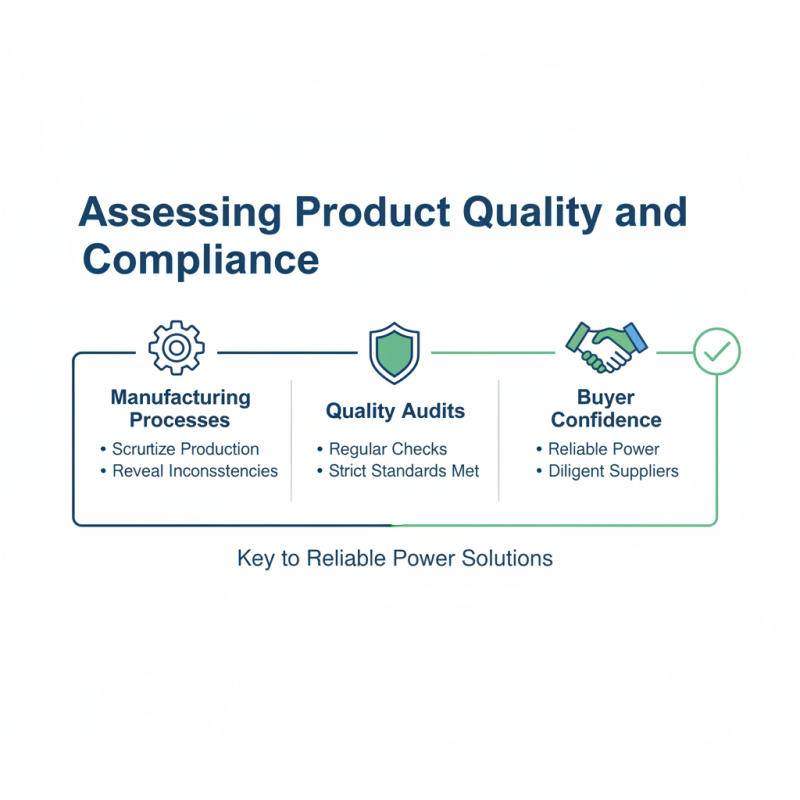
When seeking reliable power solutions, product quality and compliance are paramount. Buyers must scrutinize the manufacturing processes. Understanding how products are made can reveal inconsistencies in quality. For instance, effective suppliers often conduct regular quality audits. They ensure that every product meets strict standards. This level of diligence provides buyers with confidence.
Compliance with international standards is crucial for safety and reliability. Buyers should request certifications from suppliers. These documents indicate that products have passed stringent tests. It’s important to be wary of suppliers who cannot provide clear proof of compliance. A lack of transparency can be a red flag. Sometimes, inferior quality products slip through the cracks, leading to safety concerns and operational failures.
Vetting suppliers can be a complex process. Reviews, past performance, and industry reputation matter. Suppliers with a proven track record often demonstrate a commitment to quality. However, buyers should remain cautious. Even well-regarded companies can experience lapses in quality control. It’s essential to maintain ongoing evaluations and open communication channels with suppliers to ensure consistent quality.
Exploring Customer Reviews and Testimonials for Insights
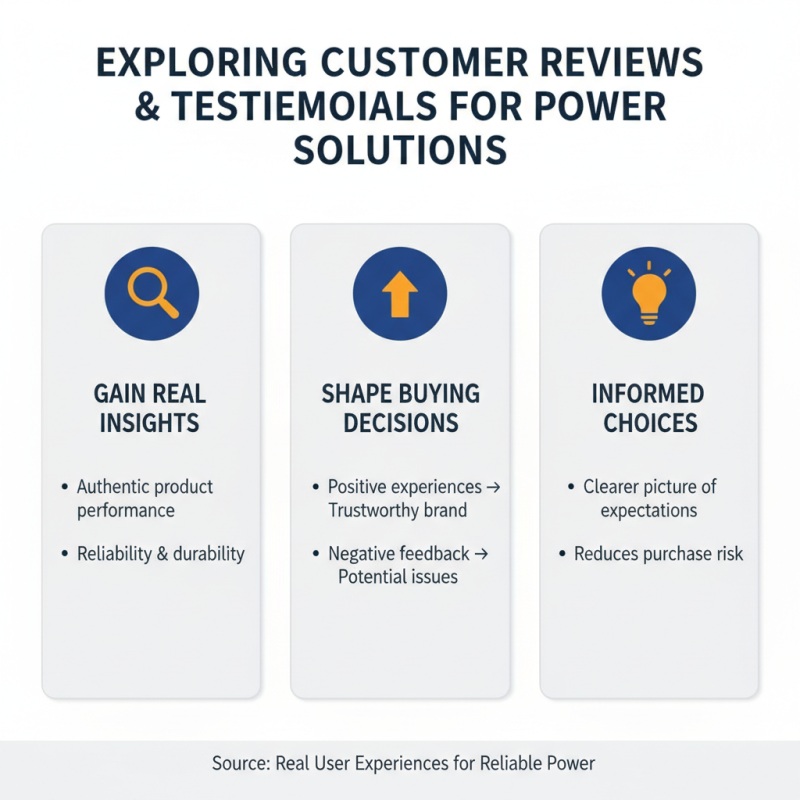
When exploring reliable power solutions, customer reviews are invaluable. They offer real insights into the performance and reliability of products. Reading testimonials from users gives prospective buyers a clearer picture of what to expect. Positive experiences can signal a trustworthy brand, while negative reviews often highlight potential issues. Both can shape your purchasing decisions.
Look for detailed reviews that discuss specific features. Great reviews often mention installation ease, customer service quality, or efficiency. Keep in mind, however, that not all reviews are genuine. Some may be overly positive or negative. It's essential to read a variety of testimonials to get a balanced view. Engaging with the community through forums can also shed light on personal experiences.
Be cautious with biased sources. Consider reviews from independent platforms rather than company websites. Authentic feedback usually reflects multiple experiences and perspectives. Sometimes, it’s helpful to contact reviewers for more information. Remember, real-world usage can differ from marketing promises. Assess the overall sentiment, but remain critical of the information presented.
Understanding After-Sales Support and Warranty Options
When purchasing power solutions, understanding after-sales support is crucial. Reliable after-sales service can significantly enhance your experience as a global buyer. A good after-sales team can guide you through installation and usage challenges. They should be accessible and responsive, capable of addressing your concerns swiftly. It is essential to ask about their response times and methods of communication.
Warranty options are another vital aspect. A strong warranty protects your investment and offers peace of mind. Look for clear terms regarding coverage and duration. Some warranties may have exclusions that buyers overlook. Understanding these details prevents future frustrations. Additionally, consider the steps required to make a claim. A smooth claims process is a good indicator of a brand's commitment to customer service.
Evaluating after-sales support and warranty options is an ongoing challenge. Buyers often underestimate their importance. Take the time to research different policies. Explore customer reviews and feedback to gain insights. Such information helps in making informed decisions. Reliable power solutions are not just about the product; they are also about the support you receive afterward.