What is Global Energy and Why Does It Matter?
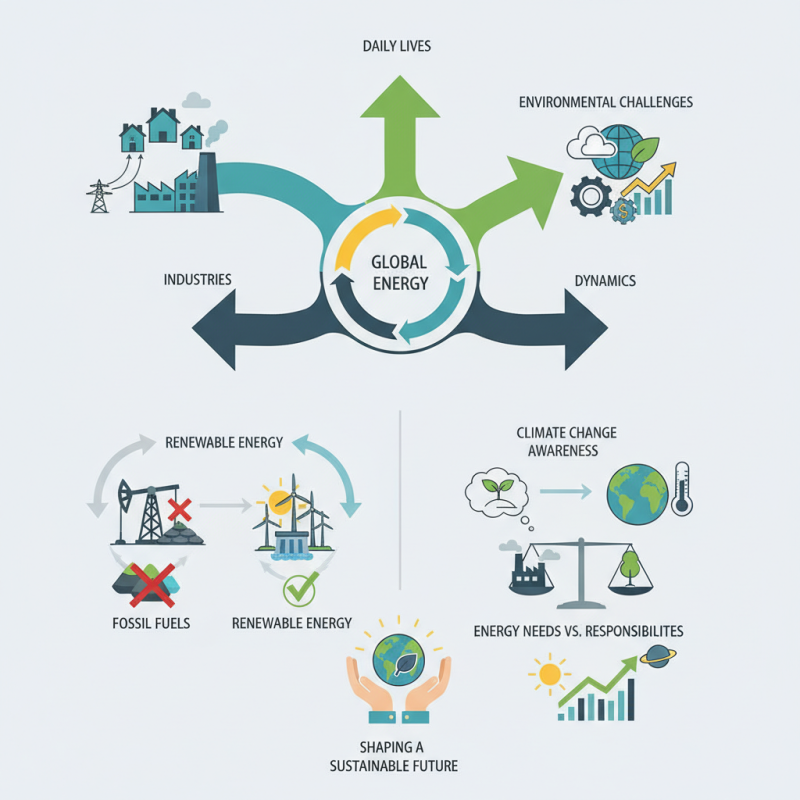
Global energy plays a crucial role in our daily lives. It impacts everything from how we power our homes to the way industries operate. Understanding global energy is essential for grasping economic dynamics and environmental challenges. It connects nations and economies, influencing international relations.
Energy sources vary widely. Fossil fuels still dominate, but renewable energy is rising. This shift reflects a growing awareness of climate change. Awareness often leads to action, but change is slow. Countries struggle to balance energy needs and environmental responsibilities.
Many people remain unaware of how energy choices affect the planet. Each decision regarding energy consumption carries weight. The complexities involved in transitioning to sustainable energy sources can be daunting. As we move forward, we must reflect on our roles in shaping a sustainable future for global energy.
What is Global Energy? A Comprehensive Overview of Its Definition
Global energy refers to the total energy resources available worldwide. It encompasses all forms of energy, including fossil fuels, nuclear power, and renewables like solar and wind. Understanding global energy is vital as it drives economies and impacts the environment. According to the International Energy Agency (IEA), global energy demand is projected to increase by 30% by 2040. This surge demands a shift towards sustainable energy sources.
The transition to renewables presents challenges. The adoption rate is not keeping pace with rising energy needs. For example, solar energy accounts for approximately 3% of global power generation, despite its potential. Reports from the World Energy Council highlight that investments in clean energy must triple to meet future demands. There is a significant gap between expectations and reality in energy innovation.
Tips: Consider energy efficiency measures in daily life. Simple actions, like using LED lights, can save power. Explore local renewable energy programs for sustainable choices. Every small effort counts toward a more significant impact on global energy. Reflect on consumption habits; they shape the future of energy demand.
The Role of Global Energy in Modern Economies and Societal Development
Energy is the backbone of modern economies. It powers industries, homes, and technology. Without sufficient energy, daily life falters. Every nation relies on energy to grow. Yet, access to energy is not equal worldwide. Some regions thrive, while others struggle in darkness.
Global energy influences society beyond just economics. Energy access affects health, education, and social mobility. Communities with reliable power perform better. They can invest, innovate, and create jobs. However, many still depend on outdated methods. These hinder progress and exacerbate inequalities.
The challenges in energy distribution demand urgent attention. Transitioning to sustainable sources is not simple. There are hurdles like infrastructure and investment. Each step forward must consider environmental impacts. Balancing development and environmental sustainability remains a complex puzzle. It's an ongoing journey, and reflections on past choices guide the future.
Key Sources of Global Energy: Renewable vs. Non-Renewable Resources
The global energy landscape is a complex blend of renewable and non-renewable resources. Renewable energy sources include solar, wind, and hydroelectric power. These options are often seen as sustainable. However, challenges remain. For example, solar panels require significant land and materials. Wind farms can impact local wildlife.
On the other hand, non-renewable resources like coal, oil, and natural gas provide a large portion of global energy. They are easier to harness and transport. Yet, their environmental toll is significant. Pollution from burning fossil fuels contributes to climate change. Many nations grapple with this dilemma.
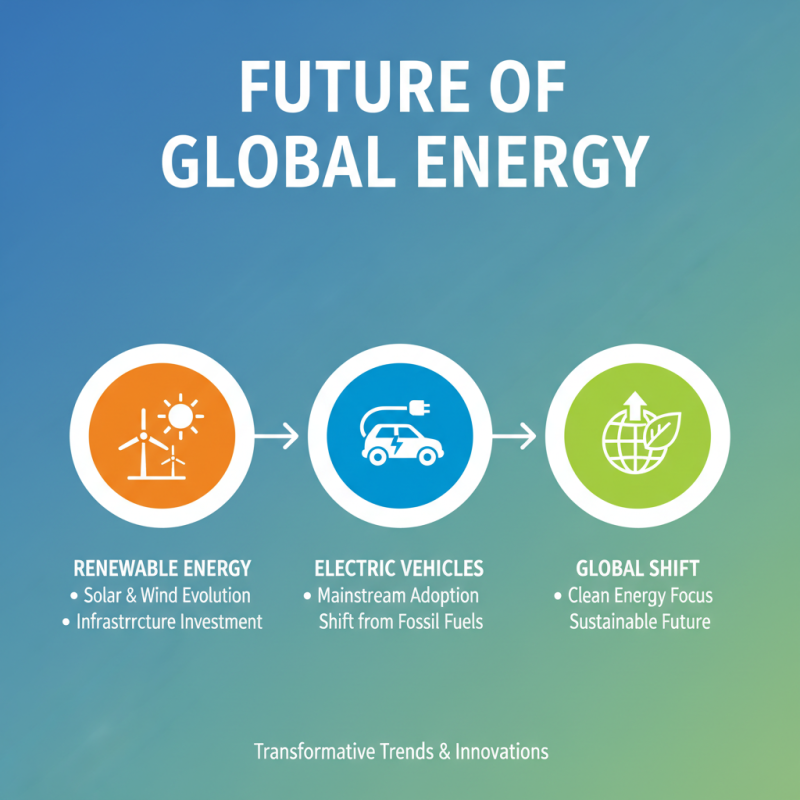
Transitioning to renewable energy is critical for a sustainable future. However, it is not without hurdles. We need better energy storage solutions. Current technologies may not be ready for a complete switch. Society must adapt and invest in research. The path to a cleaner energy future is complex and requires thoughtful discussion.
Impact of Global Energy Consumption on Climate Change and Sustainability
Global energy consumption significantly impacts climate change and sustainability.
The burning of fossil fuels for energy releases carbon dioxide, a major greenhouse gas.
According to the International Energy Agency, global CO2 emissions reached a record high of 36.4 billion tons in 2022.
This alarming figure highlights the urgent need for transition to renewable energy sources.
Renewable energy, like solar and wind power, is crucial to reducing our carbon footprint.
Countries committed to the Paris Agreement aim to limit global warming to below 2 degrees Celsius.
This requires a substantial decrease in fossil fuel use and an increase in clean energy adoption.
Experts suggest that we must cut emissions by 45% by 2030 to meet this goal.
However, progress is slow, and many still rely heavily on coal and oil.
Tips:
You can reduce your energy consumption by adopting energy-efficient appliances.
Small changes can make a big difference.
Consider walking or cycling for short trips.
Every little effort counts toward sustainability.
Remember, not all solutions are perfect; some renewable projects have environmental downsides.
It’s vital to continuously evaluate and adjust our strategies for a sustainable future.