2026 How to Find the Best Renewable Energy Solutions?
Finding the best renewable energy solutions is crucial in today’s climate-conscious world. As of 2023, the global renewable energy market is projected to reach over $1.5 trillion by 2025, according to the International Renewable Energy Agency (IRENA). This growth reflects increased investment and innovation. However, with many options available, selecting the right solution can be challenging.
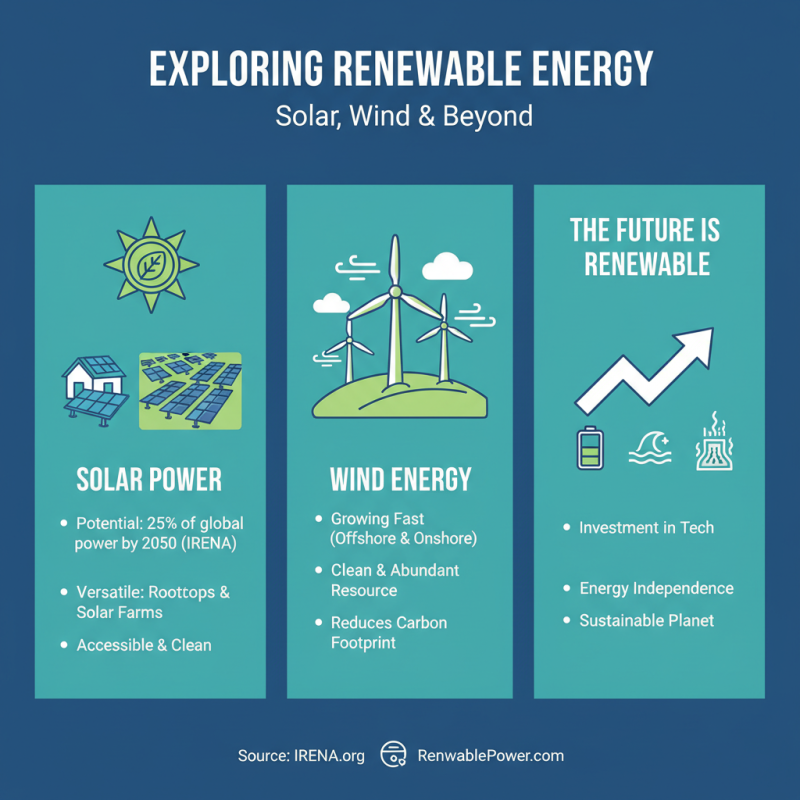
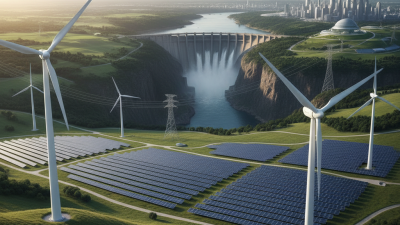
Wind, solar, and hydroelectric power are among prominent sources of renewable energy. Each offers unique benefits, but they also come with their own challenges. For instance, solar energy’s efficiency is highly dependent on geographical location. Reports indicate that while solar installations increased by 22% in 2022, some regions remain underutilized. This highlights the need for a tailored approach to energy solutions.
Moreover, integrating renewable resources into existing infrastructures can pose issues. Energy storage technology must advance to improve reliability. Current solutions may not meet demand during peak times. Therefore, comprehensive research is essential. Evaluating local conditions, energy needs, and technological advancements is necessary for finding the optimal renewable energy solutions. Understanding these complexities can build a more sustainable future.
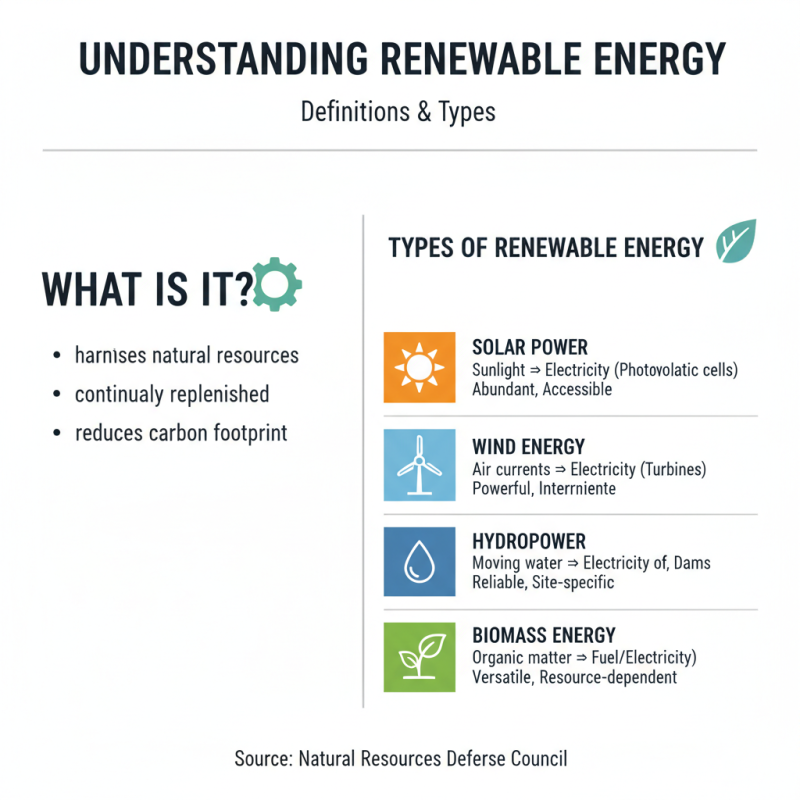
Understanding Renewable Energy: Definitions and Types
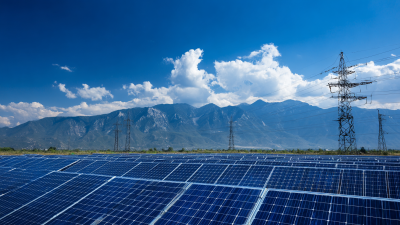
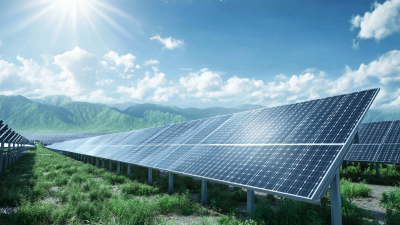
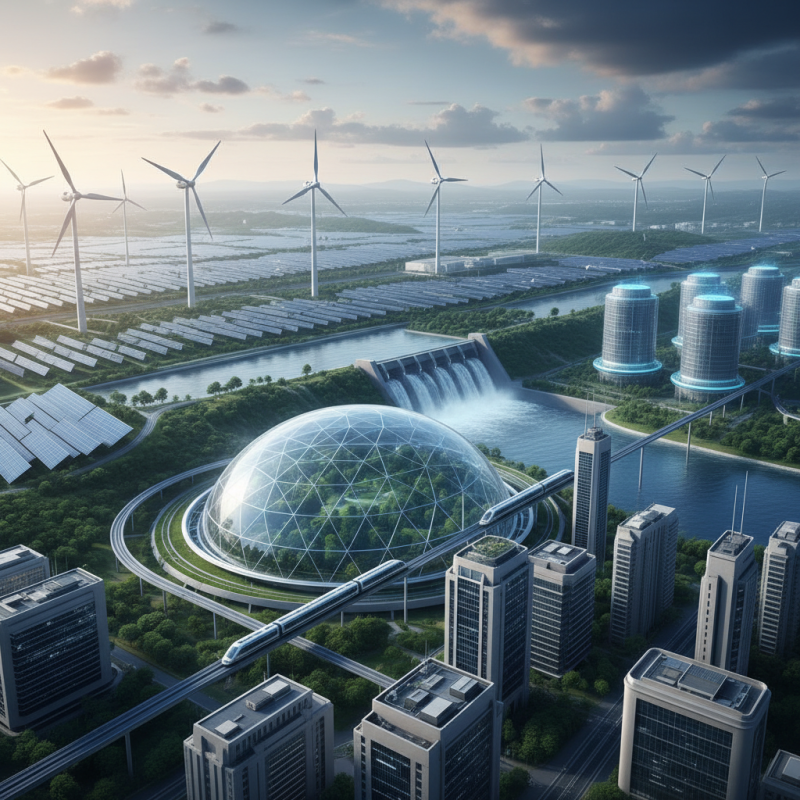
Renewable energy encompasses various technologies that harness natural resources for power generation. These resources include sunlight, wind, water, and biomass. Each type has its unique characteristics and applications. Solar energy, for instance, uses photovoltaic cells to convert sunlight into electricity. It’s abundant and widely accessible, though efficiency can vary based on location and technology.
Wind energy relies on turbines to capture wind's kinetic force. It’s clean and has low operational costs. Yet, it can pose challenges in areas with low wind speeds. Hydropower generates energy from flowing water, typically in rivers or dams. This method can provide consistent power but often requires significant environmental considerations.
Each renewable source presents benefits and hurdles. Transitioning to these solutions demands careful assessment of local conditions and stakeholder engagement. Despite the progress made, some challenges remain, such as energy storage and grid integration. These issues require ongoing research and innovation. The journey to adopting renewable energy is complex, with many lessons learned along the way.
Evaluating Energy Needs: Assessing Your Requirements
When assessing energy needs, start by evaluating your current consumption. Reports indicate that residential energy use accounts for about 20% of total U.S. energy consumption. Collect data on your monthly electricity bills and analyze peak usage times. This step is crucial in identifying the right mix of renewable energy solutions tailored to your specific needs.
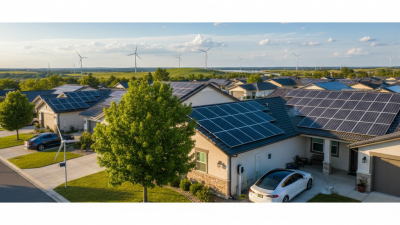
Understanding your unique energy requirements guides the selection of appropriate technologies. For instance, solar panels are effective in regions with high sunlight exposure. On average, a typical home can produce enough energy with a well-placed solar system. According to the National Renewable Energy Laboratory, a standard installation can offset about 80% of annual electrical needs.
However, a one-size-fits-all approach doesn’t apply. Many homeowners overlook the importance of energy efficiency upgrades before investing in renewables. These upgrades can reduce overall consumption significantly. Research suggests that combining efficiency improvements with renewable installations can enhance sustainability. Analyzing usage patterns and potential energy savings becomes essential in making informed decisions for a greener future.
2026 Renewable Energy Solutions: Evaluating Energy Needs
Comparing Renewable Energy Technologies: Pros and Cons
Renewable energy technologies have gained traction in recent years. Each technology offers unique advantages and challenges.
Solar energy, for instance, provides a renewable source with low operational costs.
The global solar market has grown at a rate of about 20% annually, according to the International Renewable Energy Agency (IRENA).
However, solar panels require large spaces and may not be effective in cloudy regions, which limits their widespread adoption.
Wind energy is another key player. Turbines can generate electricity without pollution.
The global wind energy capacity reached 743 GW in 2020, as reported by the Global Wind Energy Council (GWEC).
Yet, wind farms can face opposition due to noise and aesthetic concerns. Furthermore, their efficiency fluctuates with wind patterns, making them less reliable in certain areas.
Hydropower remains a dominant force, accounting for about 16% of global electricity generation.
Its reliability draws many governments to invest in hydroelectric plants. However, environmental concerns and the displacement of communities near large dams cannot be ignored.
Such factors raise important questions about sustainability and social impact. Each technology has its trade-offs, calling for careful consideration and ongoing improvement in renewable energy solutions.
Implementing Renewable Energy Solutions: Practical Steps to Take
Implementing renewable energy solutions requires thoughtful planning. Begin with a thorough assessment of your energy needs. Take stock of energy consumption patterns. This helps determine the type of renewable energy best suited for your situation.
Solar,
wind,
or
biomass—each has unique advantages.
Research local resources and regulations. Engage with experts in the field. Learning from their experiences can help avoid common pitfalls. Renewable energy projects often face unforeseen challenges. Finances and planning are crucial to success. Consider potential setbacks, like weather variations or equipment failures. Building a contingency plan is essential.
Collaboration is vital in implementing these solutions. Building partnerships within the community can enhance project viability. Share knowledge and experiences to foster innovation. Not every approach may work as intended. Reflect on what improvements can be made. Adapting to change is part of the journey towards a sustainable future.