Why Choose a Hydrogen Power Generator for Sustainable Energy Solutions
As the world increasingly seeks sustainable energy solutions, the significance of renewable energy sources has never been more pronounced. Among these innovative technologies, the hydrogen power generator stands out as a promising alternative to conventional energy systems. Hydrogen energy, known for its abundance and clean combustion properties, presents a unique opportunity to reduce greenhouse gas emissions while meeting growing energy demands.
This cutting-edge technology harnesses hydrogen as a fuel source, converting it into electricity with minimal environmental impact. The versatility of hydrogen power generators allows them to be deployed across various applications, from powering homes to providing energy for industries. Furthermore, advancements in hydrogen production, storage, and distribution are making this energy solution more accessible and economically viable. As nations strive to achieve carbon neutrality and transition to greener practices, adopting hydrogen power generators can play a crucial role in fostering a sustainable future. Embracing this technology not only fuels our energy needs but also contributes significantly to environmental preservation, making it a vital component of the global shift towards sustainable energy solutions.
What is a Hydrogen Power Generator and How Does It Work?
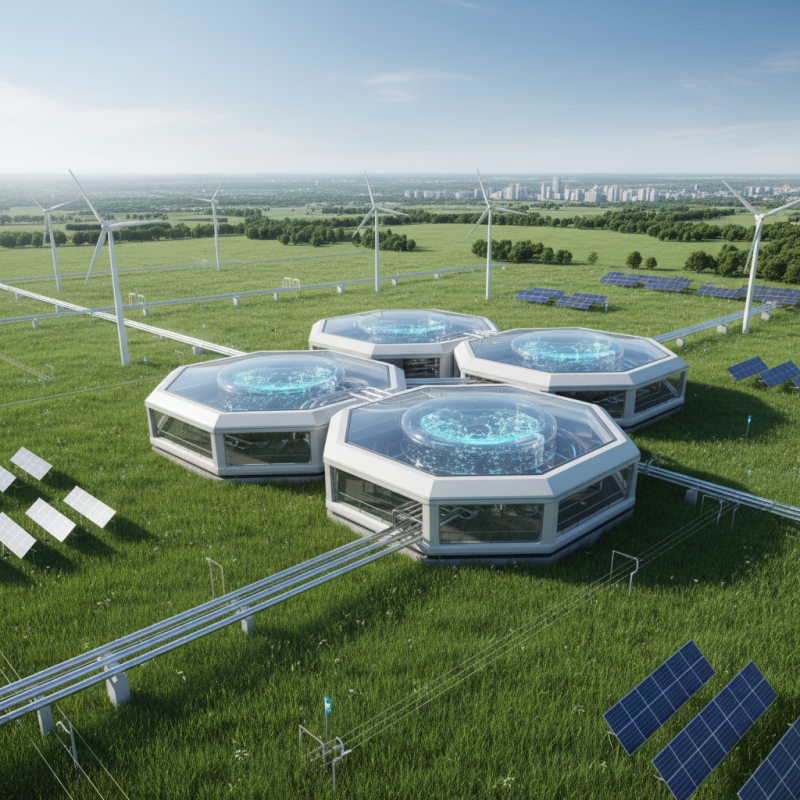
A hydrogen power generator operates by converting hydrogen fuel into electricity through a process called electrolysis or via fuel cells. In electrolysis, electricity is used to split water into hydrogen and oxygen. This hydrogen can then be stored and used later in fuel cells to produce electricity, emitting only water vapor as a by-product. The efficiency of hydrogen production can vary, but studies show that using renewable energy sources for electrolysis can achieve efficiencies of around 70%-80%, making it an attractive option for sustainable energy solutions. According to a report from the International Energy Agency (IEA), hydrogen could provide up to 18% of the world’s energy needs by 2050, demonstrating its potential role in a clean energy future.
Hydrogen power generators are particularly appealing due to their scalability and versatility. They can be integrated into existing power grids or used as stand-alone systems in remote areas. Recent advancements indicate that fuel cell technology can reach up to 60% efficiency in converting hydrogen to electricity, significantly higher than traditional fossil fuel generators, which typically operate at about 33% efficiency. The U.S. Department of Energy highlights that hydrogen production and use could significantly reduce greenhouse gas emissions, potentially in the range of 80% compared to conventional fossil fuels. As more investments flow into hydrogen technology, the cost of production is expected to decrease, making hydrogen power generators an increasingly viable solution for achieving sustainable energy targets.
Benefits of Using Hydrogen Power Generators for Sustainable Energy
Hydrogen power generators are emerging as a critical component of sustainable energy solutions, driven by their numerous environmental and operational benefits. One of the most significant advantages of hydrogen power is its capacity for zero-emission energy production. According to the International Energy Agency (IEA), hydrogen can play a pivotal role in reducing global CO2 emissions, particularly in sectors that are difficult to electrify, such as heavy industry and transportation. When hydrogen fuel is used, the only byproduct is water vapor, making it an exceptionally clean energy source.
Moreover, hydrogen power generators offer remarkable efficiency and versatility, which make them a viable option for various applications. A report from the Hydrogen Council highlights that fuel cells can reach efficiencies of 60% or higher, especially when used in combined heat and power (CHP) systems. This efficiency translates into lower operation costs and less waste in energy conversion processes. Additionally, hydrogen can be stored and transported with relative ease, allowing for energy generation to be decoupled from production. This flexibility is particularly valuable in balancing supply and demand, as it can store excess renewable energy generated from sources like wind and solar, thus enhancing the reliability of energy systems.
Investments in hydrogen technology are also on the rise, with global funding for hydrogen projects estimated to reach $70 billion by 2030. This surge reflects growing confidence in hydrogen's potential to not only support decarbonization efforts but also to promote energy security and independence. As more industries and governments commit to reducing their carbon footprints, the integration of hydrogen power generators into energy solutions will likely accelerate, positioning them at the forefront of sustainable energy innovations.
Comparing Hydrogen Power Generators with Traditional Energy Sources
When comparing hydrogen power generators to traditional energy sources, it's vital to consider both their environmental impact and efficiency. Traditional energy sources, such as coal and natural gas, are notorious for their high carbon emissions, contributing significantly to air pollution and climate change.
On the other hand, hydrogen power generators produce energy through a clean and sustainable process, emitting only water vapor as a byproduct. This stark contrast highlights the advantage of hydrogen as a more environmentally friendly alternative, aligning with global efforts to reduce greenhouse gas emissions.
Moreover, the efficiency of hydrogen power generators stands out when pitted against conventional energy technologies. While fossil fuel plants can convert only a portion of the fuel's energy into usable electricity, hydrogen generators can achieve higher efficiency rates, particularly when utilizing advanced electrolysis methods to produce hydrogen from renewable sources. This not only maximizes energy output but also promotes a circular energy economy where waste products can be minimized.
As the quest for sustainable energy solutions intensifies, the comparison between hydrogen power and traditional energy sources presents a compelling case for the adoption of hydrogen technologies in paving the way for a cleaner, more sustainable future.
Challenges and Solutions in Implementing Hydrogen Power Technology
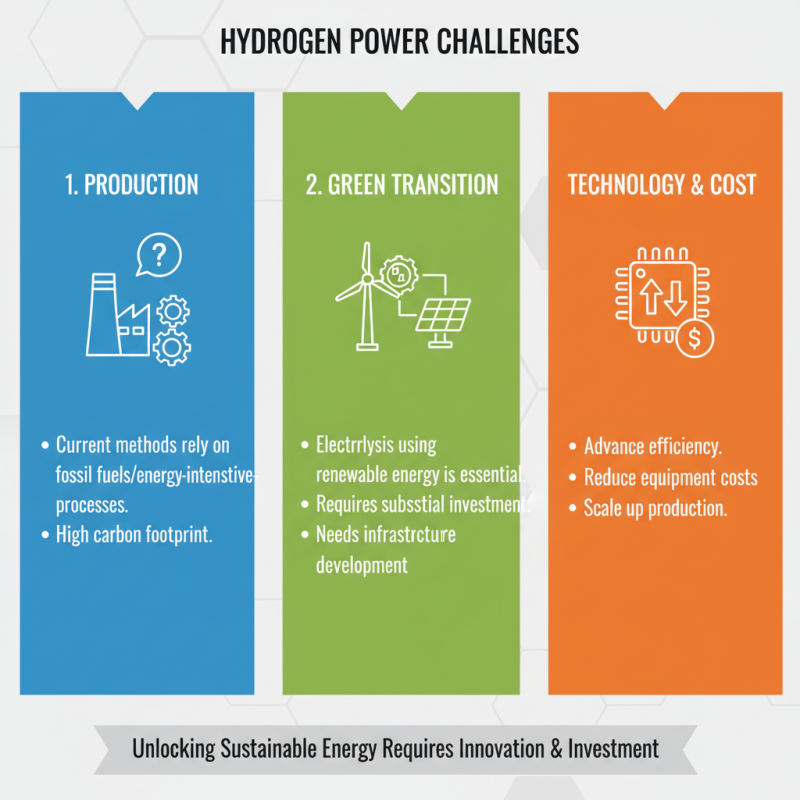
The implementation of hydrogen power technology presents several challenges that must be addressed to harness its full potential for sustainable energy solutions. One significant hurdle is the production of hydrogen itself, which often relies on fossil fuels or energy-intensive processes. Transitioning to green hydrogen, produced via electrolysis using renewable energy sources, is essential but requires substantial investment and infrastructure development. This shift demands advancements in technology to enhance efficiency and reduce costs.
Another challenge lies in the storage and distribution of hydrogen. Hydrogen is a highly volatile gas, necessitating specialized storage solutions to ensure safety and efficiency. Developing a robust infrastructure for hydrogen transportation, such as pipelines or transportable storage systems, is critical. Additionally, regulatory frameworks must evolve to support this emerging technology, ensuring safety standards while facilitating innovation in hydrogen energy systems. By addressing these challenges through collaborative research, investment in technology, and policy support, hydrogen power can become a cornerstone of sustainable energy solutions in the future.
The Future of Hydrogen Power Generators in Global Energy Transition
The future of hydrogen power generators plays a pivotal role in the global energy transition, particularly as countries strive to meet ambitious decarbonization targets. According to a report from the International Energy Agency (IEA), hydrogen production could rise to over 5 million tonnes by 2030, supporting various sectors, including transportation, industry, and electricity generation. This shift not only addresses the pressing need for clean energy but also positions hydrogen as a critical player in enabling countries to achieve their net-zero emission goals by 2050.
Moreover, recent studies indicate that hydrogen can significantly enhance energy storage capabilities. The National Renewable Energy Laboratory (NREL) estimates that using hydrogen fuel cells can lead to a 70% reduction in CO2 emissions compared to conventional fossil fuels. As renewable energy sources such as wind and solar continue to dominate new investments, integrating hydrogen solutions can buffer the intermittent nature of these energies, providing a reliable method to store excess energy generated during peak production periods. Thus, hydrogen power generators are not only a sustainable energy alternative but also a strategic asset in the evolving landscape of global energy systems.