How to Navigate the Future of Global Energy Transition?
Navigating the future of global energy is a complex challenge. As the world shifts toward sustainability, experts emphasize the need for innovative solutions. Dr. Maria Chen, a leader in renewable energy research, stated, “The transition to sustainable global energy must happen faster than ever before.” Her insight highlights the urgency of our situation.
The rise of renewable sources, such as solar and wind, offers promise. However, integrating these technologies into existing infrastructures is not simple. We often overlook the chaos of adapting older systems. Energy policies must align with technological advancements. Otherwise, we risk falling behind in the global energy race.
Investment in research and development is crucial. Many governments still hesitate to commit. This indecision reflects a deeper struggle within society to embrace change. Balancing economic growth with environmental responsibility remains a significant obstacle. As we move forward, reflection on our choices will be vital for a sustainable future.
Understanding the Current Global Energy Landscape and Its Challenges
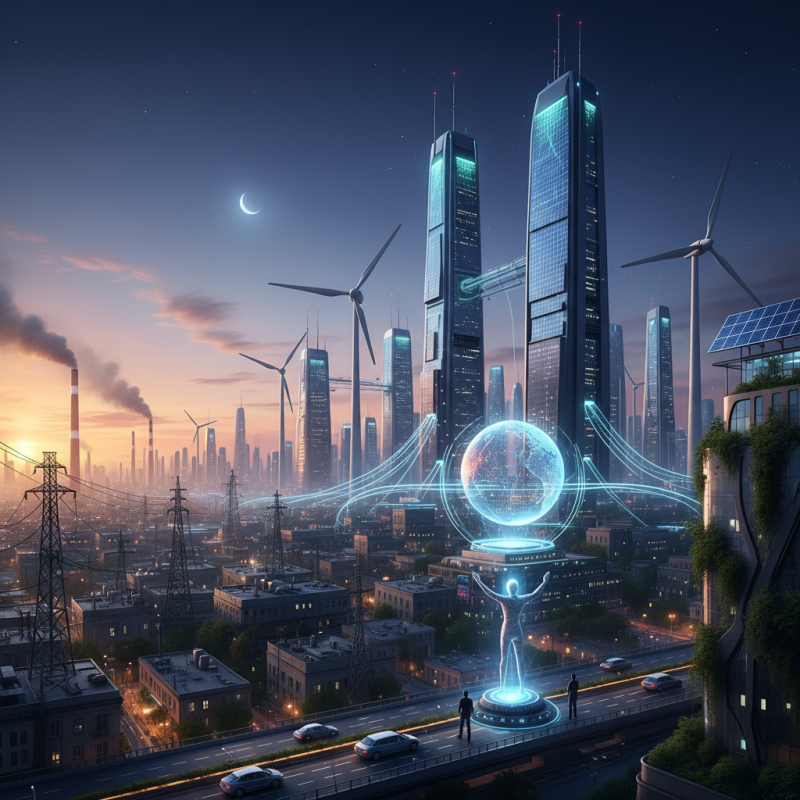
The current global energy landscape is complex and evolving. Countries face pressing challenges due to climate change, resource depletion, and energy security. Transitioning to renewable energy sources is crucial but often faces obstacles. Political, economic, and social factors can hinder progress.
Tips for navigating these challenges: Stay informed about local energy policies. Communities can advocate for cleaner energy options. Engage with local initiatives that support sustainable practices. Collaboration among stakeholders is vital for success.
Many regions still heavily rely on fossil fuels. The shift is not easy. Communities must be willing to adapt. This transition requires open discussions about the trade-offs involved. Sometimes, individual behaviors need reevaluation, especially regarding energy consumption. Embracing change is crucial, but it won't happen overnight.
Global Energy Transition: Renewable vs. Non-Renewable Sources (2023)
Key Drivers of the Energy Transition: Policy, Technology, and Market Forces
The future of global energy transition is influenced by several key drivers. Policy plays a crucial role. Governments around the world are setting ambitious targets for carbon neutrality. These policies can encourage innovation and investment in clean energy technologies. However, inconsistent regulations across regions can create confusion for businesses. This inconsistency often leads to missed opportunities.
Technology is another essential factor in the energy transition. Advances in renewable energy sources, like solar and wind, are transforming the landscape. New storage solutions, such as batteries, are vital for managing intermittent energy. Yet, the rapid pace of innovation can sometimes outstrip existing infrastructure. This gap poses challenges for widespread adoption.
Market forces cannot be overlooked. Demand for sustainable energy sources is rising. Consumers are increasingly seeking green options. However, the transition is not uniform. Economic disparities can hinder progress in less affluent regions.
Tips: Keep an eye on local policies. They can significantly impact energy prices and availability. Engage with community initiatives that promote renewable energy. Collaborative efforts often lead to stronger outcomes. Finally, remain adaptable. The energy sector is changing, and being open to new ideas will be beneficial.
Key Drivers of the Energy Transition
| Driver |
Description |
Impact Level (1-5) |
Current Trends |
| Policy |
Government regulations and incentives promoting renewable energy. |
5 |
Increased investment in renewables; net-zero policies. |
| Technology |
Advancements in renewable technologies such as solar, wind, and energy storage. |
4 |
Falling costs of solar panels; improvement in battery lives. |
| Market Forces |
Economic factors influencing the supply and demand for energy. |
4 |
Price volatility of fossil fuels; rising demand for clean energy. |
| Public Awareness |
Growing concerns about climate change and environmental sustainability. |
5 |
Increased consumer preferences for green products. |
| Investment |
Financing for renewable energy projects and infrastructure development. |
5 |
Venture capital surge in clean tech; green bonds popularity. |
Renewable Energy Sources: Innovations and Their Role in the Transition
The transition to renewable energy sources is critical. As per the International Energy Agency, renewable energy will account for nearly 30% of global power generation by 2025. Solar and wind technologies are leading this charge. However, innovation in energy storage remains key. Energy storage systems must improve to balance supply and demand effectively.
Despite the rapid growth, challenges persist. According to a recent report by the Global Renewable Energy Institute, the integration of renewables into existing grids is complex. Many regions lack infrastructure needed to support this shift. Transitioning to renewables also poses economic questions. Are we ready to invest in necessary technologies?
Public perception and policy play crucial roles. The acceptance of renewables varies widely. There is resistance in some communities, fearing job losses in traditional sectors. Education and transparent communication are essential. We must address these concerns to create a robust future for energy.
Strategies for Managing Energy Demand and Consumption
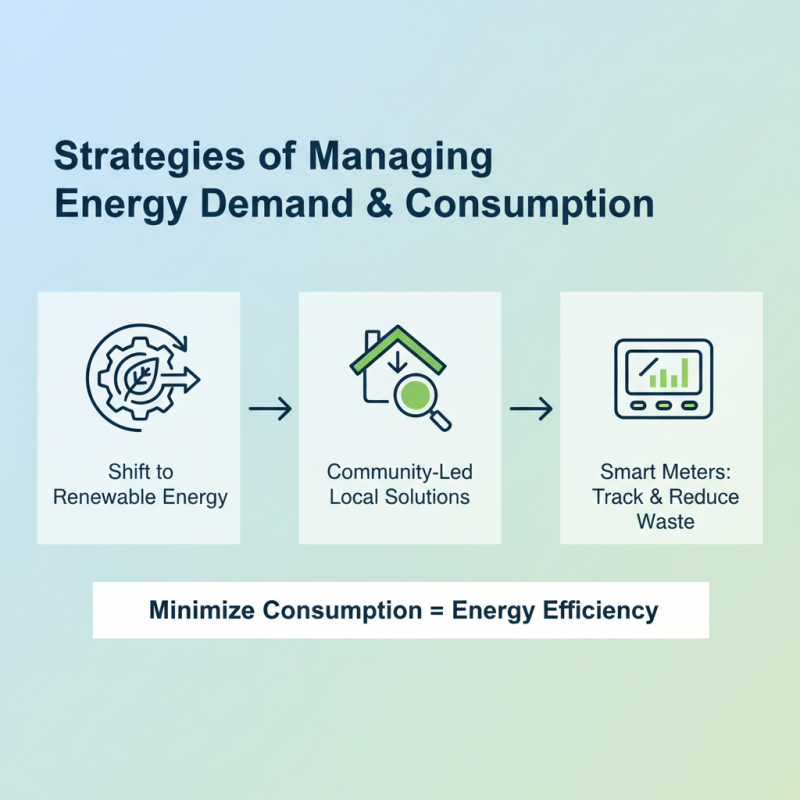
As the world shifts towards renewable energy, managing energy demand is crucial. Communities are exploring local solutions to minimize consumption. For instance, smart meters can track usage patterns. This allows households to find ways to reduce energy waste.
In many cases, education plays a key role in effective energy management. People need to understand their consumption habits. Workshops and community programs can teach energy-saving techniques. Simple gestures can make a significant impact. Switching off lights when not needed can reduce demand substantially. Yet, this often gets overlooked.
Innovative technology can also aid in managing energy needs. Smart appliances and energy management systems can optimize usage. However, implementing such technology is not without challenges. Financial investment can be a barrier for many. Additionally, some may resist change due to comfort with existing habits. Reflecting on our energy choices is essential for a sustainable future.
The Role of International Collaboration in Shaping a Sustainable Energy Future
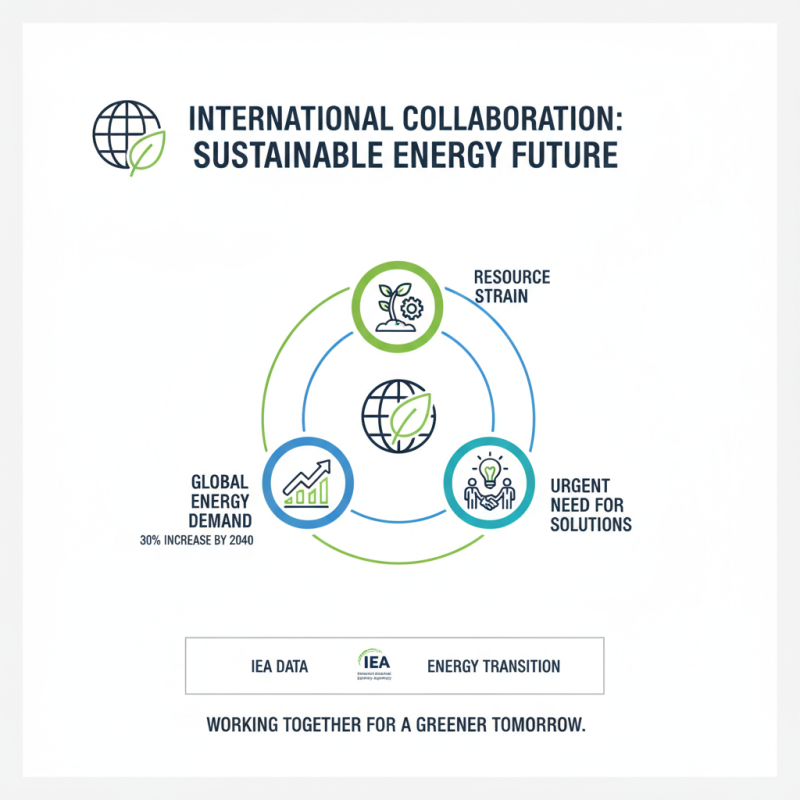
The role of international collaboration in shaping a sustainable energy future is increasingly critical. According to the International Energy Agency (IEA), global energy demand could grow by 30% by 2040 if we do not shift gears. This growth can strain resources. It highlights the urgent need for countries to work together on energy transition solutions.
Initiatives like the Paris Agreement have set a framework for joint efforts. However, actual implementation varies widely among nations. For instance, renewable energy investments reached $300 billion in 2022, but developing countries still lag. They account for only 20% of global investment. This disparity challenges the fairness and efficiency of our transition efforts.
Innovative technologies can bridge these gaps. For example, energy sharing platforms promote cooperation. They allow countries to exchange surplus energy, especially from renewables. Yet, there are hurdles. Policy differences and economic disparities complicate these collaborations. Reflecting on these challenges is essential to create an equitable, sustainable global energy future.