Top 5 Tips for Finding Reliable Power Sources for Your Business?
In today's fast-paced business environment, securing reliable power sources is crucial. Industry expert Dr. Emily Carter, a renowned power solutions consultant, emphasizes, "Businesses must prioritize reliable power to thrive in competitive markets." This insight reflects the essential role of dependable energy in operational success.
Formulating a strategy for reliable power is not straightforward. Many companies face challenges in assessing their energy needs and options. By taking deliberate steps, organizations can enhance their power reliability. This journey often reveals gaps in knowledge about energy alternatives. It's essential to understand that a one-size-fits-all approach rarely works.
Exploring diverse energy solutions can lead to both successes and setbacks. As businesses evaluate options, understanding the nuances of contracts and suppliers becomes vital. It's important to remain flexible and open to new technologies. The quest for reliable power is ongoing, and continuous learning plays a significant role in this journey.

Understanding Your Business's Power Needs and Requirements
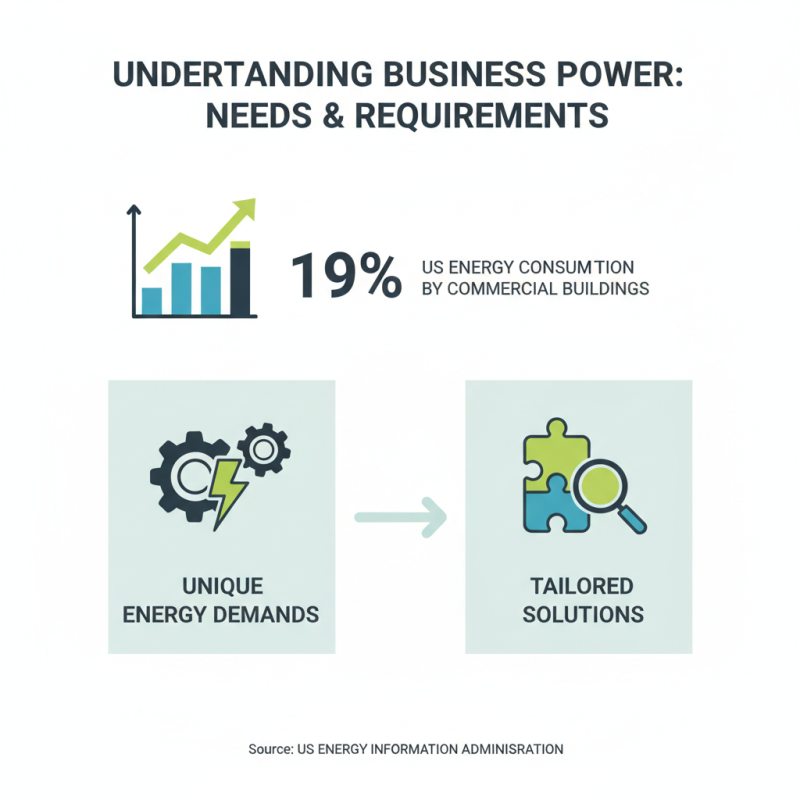
Understanding your business's power needs is crucial. Each organization has unique energy demands based on its operations. According to the U.S. Energy Information Administration, commercial buildings use about 19% of the total energy consumption in the United States. This statistic highlights the significance of evaluating your specific energy needs rather than opting for a one-size-fits-all approach.
Assessing your business's usage patterns can help determine the best power solutions. For instance, consider peak usage times and overall load requirements. A comprehensive energy audit can reveal inefficiencies. Reports from the International Energy Agency suggest that businesses can reduce energy consumption by up to 30% through targeted improvements. Yet, many fail to perform audits, leaving potential savings untapped.
In addition, understanding regulatory requirements is vital. Compliance is not just a formal necessity; it can lead to significant cost savings in the long run. Regulations often encourage the use of renewable energy sources, which may also enhance your brand’s reputation. Failing to align with these standards can lead to unexpected expenses and operational disruptions. By clearly defining your power needs, you're better positioned to choose reliable and cost-effective power sources.
Researching Different Types of Power Sources Available for Businesses
When it comes to powering your business, understanding the types of power sources available is crucial. Businesses today have various options, including traditional fossil fuels, renewables, and hybrid systems. According to the U.S. Energy Information Administration, renewable energy accounted for about 20% of total U.S. electricity generation in 2022. This figure reflects a growing trend towards cleaner power sources, driven by both policy and consumer demand.
Solar power is among the fastest-growing options. It can reduce electricity costs by up to 70%, depending on location and installation size. Wind energy is another viable option, especially for businesses in open areas. It currently contributes about 9% to the country’s energy mix, according to the American Wind Energy Association. However, both solar and wind require careful site assessment and initial investment. This investment can be daunting, yet it is often offset by long-term savings.
Natural gas remains a popular choice, praised for its reliability and lower carbon emissions compared to coal. However, volatility in natural gas prices can create instability for businesses that rely solely on it. Each power source has its pros and cons, and businesses must evaluate their unique needs and environmental commitments. Identifying a suitable power source is not merely a choice but a strategic decision impacting long-term sustainability and cost-efficiency.
Top 5 Power Sources for Businesses
Evaluating Reliability: Key Factors to Consider in Power Providers
When evaluating power providers, reliability is crucial. One key factor is the provider's outage history. According to the U.S. Energy Information Administration, power interruption durations vary significantly. This information serves as a benchmark for assessing a provider's dependability. Choose a provider with a low frequency of outages.
Another important aspect is the infrastructure quality. A well-maintained grid often correlates with fewer service interruptions. A report from the International Energy Agency noted that investment in infrastructure can reduce power outages by up to 30%. Ensure your provider is committed to regular maintenance and upgrades.
Lastly, customer service plays a vital role. Prompt support can make a difference during outages. A survey revealed that businesses willing to pay a premium for reliable service often value responsive customer care. This is a realization that some companies still overlook.
Seek out providers with positive reviews regarding their customer service. Reliability is not just about power; it encompasses the entire service experience.
Analyzing Costs and Contracts for Sustainable Power Solutions
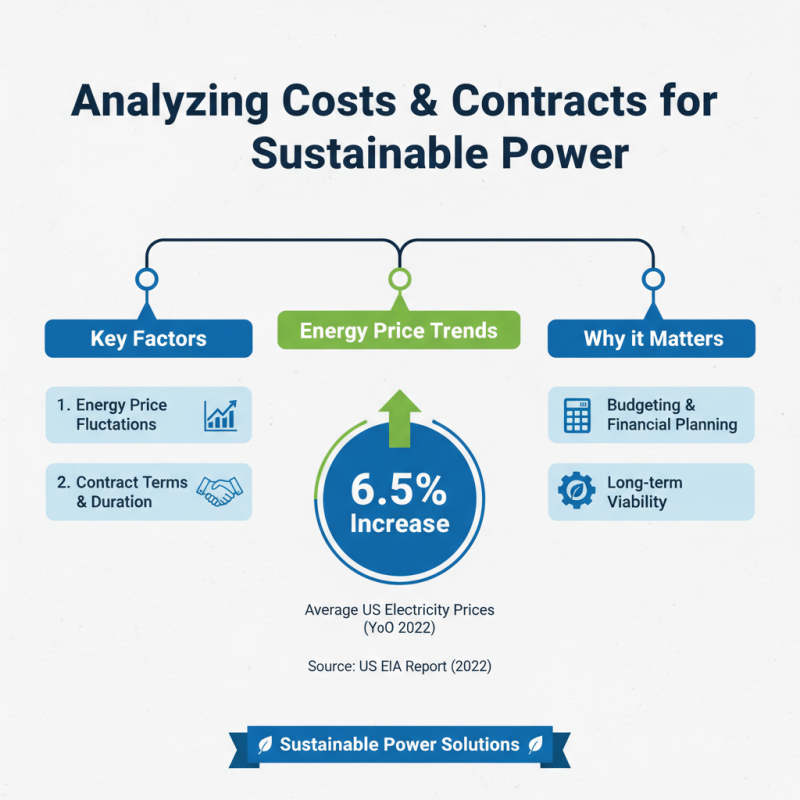
When analyzing costs and contracts for sustainable power solutions, it's crucial to consider various factors. Energy prices can fluctuate significantly. According to a 2022 report by the U.S. Energy Information Administration, average electricity prices increased by 6.5% year-over-year. Understanding these trends is vital for budgeting.
Contracts often include clauses that might affect long-term costs. For instance, many contracts impose penalties for early termination. Some providers offer fixed-rate plans, which can help with financial predictability. However, these can create inflexibilities. Businesses might find themselves locked into contracts during price drops.
Evaluating the total cost of ownership (TCO) is essential. TCO includes not just the price per kilowatt-hour but also maintenance and operational costs. A study by the International Renewable Energy Agency found that renewable energy sources can reduce TCO by 20-40% over time compared to fossil fuels. Yet, initial investments may be higher. This contrast requires careful calculation and strategic planning, ensuring alignment with your business goals.
Seeking Reviews and Recommendations to Ensure Provider Credibility
When looking for reliable power sources for your business, seeking reviews and recommendations is essential. Start by tapping into your professional network. Ask peers about their experiences with different power providers. These first-hand accounts often reveal crucial insights that might not be apparent through marketing materials.
Explore online forums and review sites. Users frequently share their success stories and pitfalls, which can help you gauge a provider’s credibility. Pay attention to recurring themes in the feedback. If multiple sources mention poor customer service or hidden fees, take note. Such details can save you from costly mistakes.
Evaluating a provider’s online presence is also vital. Check their website for transparency about services and pricing. Consider their responsiveness to inquiries; this can be a reflection of how they handle customers. While every company has flaws, consistent negative feedback should raise red flags. Always trust your instincts when something feels off.