What is Renewable Energy and Why Does It Matter for China?
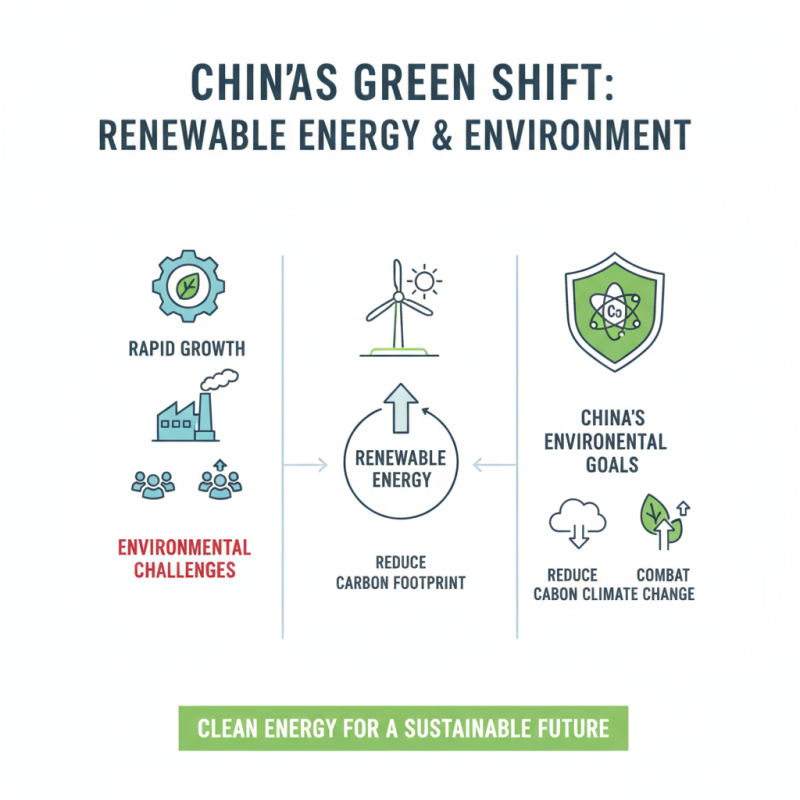
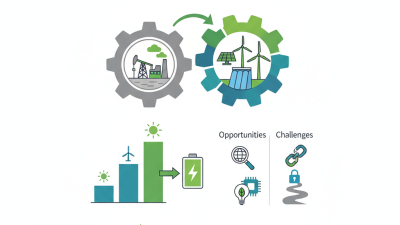
Renewable energy is essential for a sustainable future. The renewable energy definition encompasses energy generated from natural resources. This includes solar, wind, hydro, and biomass. These sources are replenished naturally and contribute to reducing greenhouse gas emissions.
In China, the significance of renewable energy is immense. The country faces severe air pollution and environmental challenges. Transitioning to renewable energy can improve public health and safeguard natural ecosystems. Moreover, with rapid urbanization, the demand for energy is skyrocketing. Renewable sources can meet this demand sustainably.
However, challenges remain. Infrastructure for renewable energy still requires substantial investment and development. Energy storage technology also needs further innovations to ensure reliability. Addressing these issues is crucial for a successful energy transition. Adopting renewable energy is not merely beneficial but necessary for China’s long-term prosperity and environmental sustainability.

Definition of Renewable Energy and Its Key Types
Renewable energy refers to power derived from natural resources that regenerate. Key types include solar, wind, hydro, geothermal, and biomass. Each type harnesses energy differently. Solar panels convert sunlight into electricity. Wind turbines capture wind motion, turning it into power. Both methods are vital for a sustainable future.
In China, renewable energy plays a crucial role. The country is rich in solar and wind resources. A vast landscape allows for significant wind energy development. However, challenges exist. Infrastructure needs improvement, and energy storage poses hurdles. Transitioning to renewables is not without difficulties.
Power generation through hydropower is also prominent in China. The Yangtze River supports large dams. Yet, ecological impacts from these projects spark debate. Balancing energy needs with environmental concerns requires careful thought. As China continues to grow, the focus on renewable energy must evolve. This path is challenging but essential for a greener future.
Renewable Energy Sources in China (2022)
This chart represents the distribution of renewable energy sources in China for the year 2022, highlighting the key types of renewable energy used in the country.
Economic Benefits of Transitioning to Renewable Energy in China
China's transition to renewable energy brings significant economic benefits. Investing in solar, wind, and hydro power creates new jobs. These sectors require skilled workers for installation, maintenance, and innovation. As technology advances, more opportunities emerge. Cities can thrive with clean energy initiatives, driving local economies.
Moreover, reducing dependence on fossil fuels lowers energy costs over time. China can enhance energy security while attracting international investments. Cleaner energy sources contribute to better health and environmental conditions. This can lead to reduced healthcare costs, increasing overall economic stability.
However, challenges remain. Transitioning requires upfront investments in infrastructure and technology. Some industries may resist change due to existing interests. Ongoing education and policy support are crucial for smooth adaptation. Finding the right balance is essential for a sustainable future.
What is Renewable Energy and Why Does It Matter for China? - Economic Benefits of Transitioning to Renewable Energy in China
| Sector |
Current Investment (Billion USD) |
Projected Savings (Billion USD) |
Jobs Created (Thousands) |
CO2 Emission Reduction (Million Tons) |
| Solar Energy |
45 |
15 |
200 |
50 |
| Wind Energy |
30 |
10 |
150 |
40 |
| Hydropower |
25 |
8 |
100 |
30 |
| Biomass Energy |
20 |
5 |
70 |
15 |
| Geothermal Energy |
10 |
2 |
20 |
5 |
China's Current Renewable Energy Landscape and Developments
China has emerged as a global leader in
renewable energy adoption.
Wind and solar power installations have surged across the nation.
These renewable sources play a crucial role in reducing carbon emissions.
In 2022, renewable energy accounted for 29% of China’s total energy consumption.
This shift is vital for combating climate change and air pollution.
Local governments are key players in these developments. They implement policies to promote clean energy projects.
However, challenges persist. Some regions still rely heavily on coal. Transitioning to renewables requires significant investment and infrastructure.
Public awareness about energy conservation is also lacking.
More education is needed to encourage sustainable practices among citizens.
China’s renewable energy sector continues to grow, but it must address various hurdles. Local disparities in energy resources can slow progress.
Investments in technology and innovation are crucial for future advancements. With increased focus,
China can lead in global renewable energy efforts while improving its environmental footprint.
Future Challenges and Opportunities for Renewable Energy in China
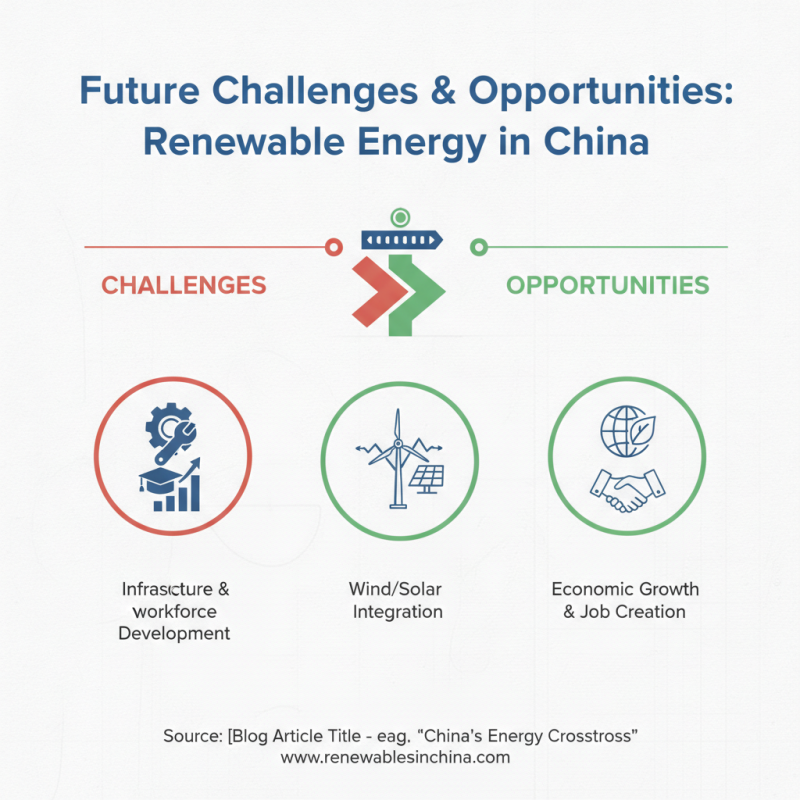
China stands at a crossroads in its energy landscape. As the world’s largest emitter of greenhouse gases, the nation faces immense pressure to transition to renewable energy. The challenges are significant. Infrastructure investments are needed, and the grid must adapt. Wind and solar power generation need to be integrated effectively. Education and workforce development in these technologies are critical for long-term success.
Opportunities abound for China in the renewable energy sector. Urban areas can leverage solar panel installations on rooftops. Rural regions may benefit from wind farms. Moreover, innovation in energy storage solutions can help manage supply and demand. However, challenges in policy and regulation still remain. Inconsistent support for renewable projects can discourage investments. Ensuring equitable access to these technologies is another hurdle.
As China navigates these complex dynamics, public awareness is crucial. Discussions around energy consumption must be broadening. Sustainable practices need to be promoted widely. This requires collaboration among government, businesses, and communities. The path forward is full of potential but requires persistent effort and reflection.