Top Renewable Energy Technologies to Watch in 2025 for a Sustainable Future
As the world pivots towards a more sustainable future, the growth of renewable energy technology is increasingly vital. According to the International Energy Agency (IEA), renewable energy sources are projected to account for nearly 30% of global electricity generation by 2025, reflecting a remarkable shift in energy paradigms. This transition is not only essential for meeting international climate goals but is also seen as a significant opportunity for economic growth and job creation. The Global Renewable Energy Market is expected to reach a valuation of USD 2.15 trillion by 2025, underpinning the critical role that these technologies play in mitigating climate change and enhancing energy security.
In particular, advancements in solar, wind, and energy storage technologies stand at the forefront of this transformation. The latest report from Bloomberg New Energy Finance highlights that solar photovoltaic installations are expected to double in the next five years, propelled by declining costs and increased efficiency. Similarly, the wind energy sector is experiencing substantial growth, with onshore and offshore wind projects being heralded as key contributors to sustainable energy portfolios worldwide. These developments not only affirm the significance of renewable energy technology in combating environmental challenges but also emphasize the urgency for policies and investments that will facilitate this transition towards a greener economy.
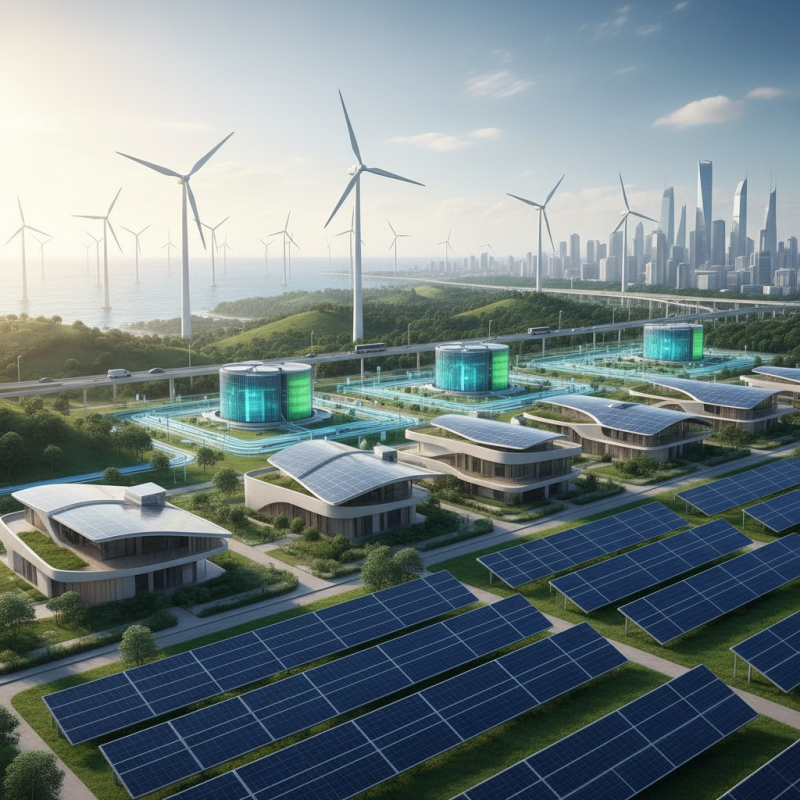
Key Advancements in Solar Energy Technologies by 2025
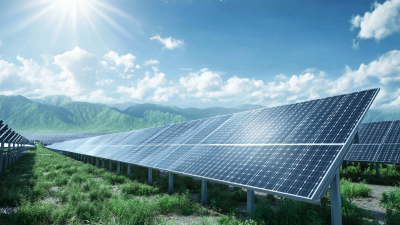
By 2025, solar energy technologies are expected to undergo significant advancements, driving a more sustainable future. One of the key developments is in photovoltaic (PV) cells, which convert sunlight directly into electricity. Researchers are exploring new materials, such as perovskites, that promise to enhance efficiency and reduce production costs. These materials could potentially revolutionize the solar industry by enabling the creation of lightweight, flexible, and highly efficient solar panels that can be integrated into various surfaces, including buildings and vehicles.
Another area of focus is the improvement of energy storage systems. As solar energy generation is inherently intermittent, innovations in battery technology will play a crucial role in stabilizing energy supply. Enhanced lithium-ion batteries and emerging solid-state batteries can provide higher capacities and longer lifespans, allowing for better energy management. Furthermore, advancements in grid integration will facilitate the use of solar energy on a larger scale, enabling smoother energy distribution and accessibility, which are essential for the widespread adoption of solar technologies.
These advancements not only aim to make solar more efficient and cost-effective but also contribute to the overall reduction of carbon emissions. As solar technology continues to evolve, it will play a pivotal role in transitioning society towards renewable energy sources, making sustainable energy more accessible and viable for everyday use.
Innovations in Wind Power Generation for Sustainable Development
Wind power generation is poised to play a crucial role in the transition to sustainable energy systems by 2025. Recent studies predict that the global wind energy capacity is expected to reach 1,200 GW by the end of 2025, up from 743 GW in 2020, marking a growth rate of over 60% within just five years. This rapid expansion is driven by advancements in turbine technology, which have significantly increased efficiency and energy output. Innovations such as larger rotor diameters and increased hub heights allow for the capture of stronger winds, particularly in offshore locations, creating a more viable and sustainable energy source.
Tips: To fully embrace these advancements, policymakers and energy stakeholders should prioritize the integration of wind power into national energy strategies. Utilizing tools such as geospatial analysis can help identify optimal sites for new wind farms, minimizing environmental impacts while maximizing energy production. Additionally, public engagement and investment in local wind projects can foster community support and drive further innovation in the sector.
The evolution of wind technology does not stop at turbine efficiency; the integration of digital technologies, like artificial intelligence and IoT, is transforming operations and maintenance practices. Predictive maintenance models are being developed to minimize downtime and optimize performance, offering up to 10-20% reductions in operational costs. According to the Global Wind Energy Council, such innovations not only enhance the reliability of wind farms but also contribute to overarching sustainability goals by reducing carbon footprints throughout the energy supply chain.
Top Renewable Energy Technologies to Watch in 2025 for a Sustainable Future - Innovations in Wind Power Generation for Sustainable Development
| Technology |
Description |
Efficiency (%) |
Deployment Status |
Projected Impact (MW) |
| Horizontal Axis Wind Turbines |
Conventional design, highly efficient for large-scale wind farms. |
45-50 |
Widely deployed |
500,000 |
| Vertical Axis Wind Turbines |
Innovative design suited for urban environments and low-wind areas. |
35-40 |
Pilot projects underway |
100,000 |
| Floating Wind Farms |
Allows installation in deeper waters where wind is stronger. |
44 |
Emerging technology |
300,000 |
| Small-Scale Wind Turbines |
Designed for residential or small commercial use. |
30-40 |
Increasing adoption |
50,000 |
| Offshore Wind Turbines |
High-capacity turbines with minimal land impact. |
50-60 |
Expanding rapidly |
1,200,000 |
Emerging Energy Storage Solutions for Renewable Sources
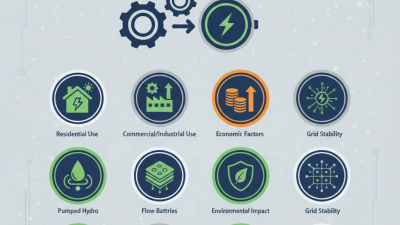
As the world moves toward a more sustainable future, the development of
emerging energy storage solutions is becoming
increasingly essential for harnessing renewable energy sources effectively.
With the intermittent nature of renewables like solar and wind, efficient energy
storage technologies are crucial to ensure a reliable supply when generation dips.
Advanced battery systems, including solid-state and flow batteries, are at the
forefront of this transformation. These technologies offer greater energy density,
improved safety, and longer life cycles compared to traditional lithium-ion batteries,
making them ideal for large-scale storage facilities.
Additionally, innovative approaches such as
compressed air energy storage and
pumped hydro storage are gaining
attention for their ability to store energy on a larger scale.
These systems utilize excess energy produced during peak generating periods to
compress air or pump water to a higher elevation, storing energy for later use.
Moreover, the integration of artificial intelligence and the Internet
of Things (IoT) is enhancing these storage solutions, allowing for real-time
data analysis and optimized energy management. By improving the efficiency and
capacity of energy storage, these emerging technologies will play a vital role
in balancing energy supply and demand,
ultimately paving the way for a more sustainable and resilient
energy landscape by 2025.
The Role of Bioenergy in Future Renewable Energy Strategies
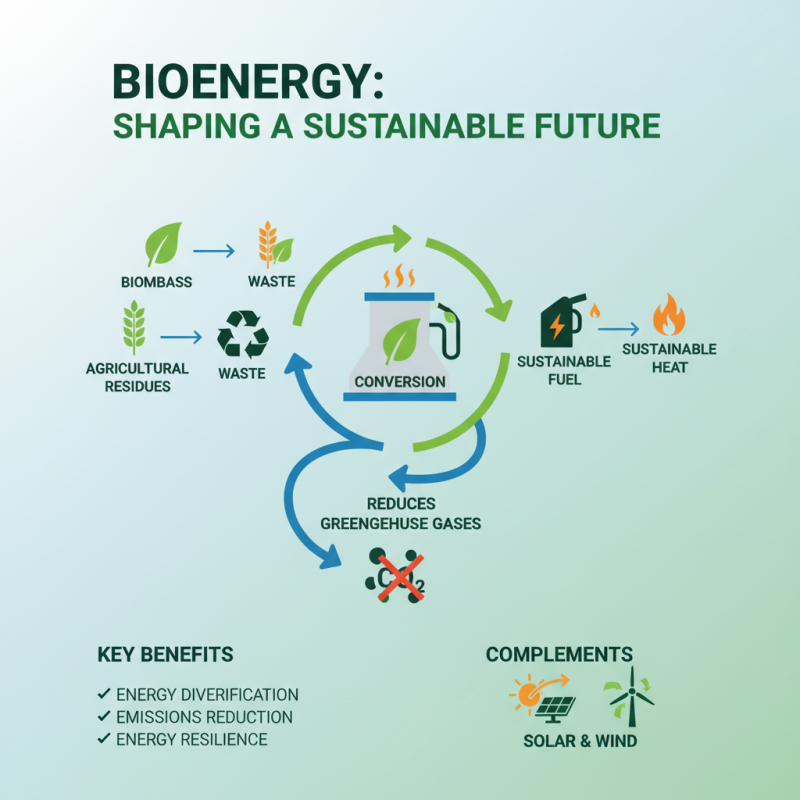
Bioenergy is poised to play a crucial role in shaping the future of renewable energy strategies by harnessing organic materials to produce sustainable fuel sources. As concerns about climate change and energy security mount, bioenergy offers a versatile solution that can complement other renewable technologies, such as solar and wind. By converting biomass, agricultural residues, and waste into energy, bioenergy not only contributes to reducing greenhouse gas emissions but also enhances energy diversification and resilience. The process of capturing and utilizing bioenergy can significantly lower the carbon footprint associated with traditional fossil fuels, offering a pathway towards a more sustainable energy system.
Moreover, the integration of bioenergy into national energy strategies can stimulate local economies and create job opportunities in rural areas. The cultivation and processing of biomass feedstocks can drive innovation in agricultural practices, promoting sustainable land use and resource management. As governmental policies increasingly favor renewable sources, investments in bioenergy infrastructure will likely rise, leading to advancements in technology and efficiency. Comprehensive approaches that incorporate bioenergy alongside other renewables can lead to an energy landscape where renewable sources work in harmony, ensuring a stable and sustainable energy supply for the future.
Hydrogen Fuel Technologies: A Game Changer for Green Energy
Hydrogen fuel technologies are emerging as a pivotal solution in the pursuit of a sustainable energy future. With global hydrogen production projected to reach 180 million metric tons by 2050 according to the International Energy Agency (IEA), this clean energy carrier is crucial in decarbonizing hard-to-abate sectors, including heavy industry and transportation. As nations ramp up their commitments to reduce greenhouse gas emissions, the versatility of hydrogen—from powering fuel cells in vehicles to being a feedstock in industrial processes—positions it as a game changer in the green energy landscape.
Recent advancements in electrolyzer technology, which splits water into hydrogen and oxygen using renewable electricity, have drastically lowered production costs. A report by BloombergNEF predicts that by 2030, green hydrogen could become competitive with fossil fuels, with production costs potentially dropping to as low as $1.50 per kilogram. This cost competitiveness, coupled with an increasing number of government incentives and investments, is fostering a robust hydrogen economy. Furthermore, the development of hydrogen storage and transportation infrastructure is crucial in facilitating its adoption, enabling efficient integration into existing energy systems and expanding its applications across various sectors. As we look toward 2025, the focus on hydrogen technologies not only promises environmental benefits but also enhances energy security and drives economic growth in a rapidly evolving energy market.
Top Renewable Energy Technologies to Watch in 2025
This chart illustrates the projected growth of various renewable energy technologies leading up to 2025. Hydrogen fuel technologies are highlighted as a significant game changer for green energy adoption, showcasing their potential impact compared to other renewable sources.