How to Succeed in the Energy Industry for Beginners?
Navigating the energy industry can be challenging for newcomers. The industry is rapidly evolving, driven by technological advancements and sustainability goals. According to the International Energy Agency (IEA), global energy investment exceeded $1.8 trillion in 2022. This figure reflects a growing demand for clean energy solutions.
Success in the energy sector requires a strong understanding of market trends. The energy industry is shifting from fossil fuels to renewables. Reports show that investments in renewables surpassed those in fossil fuels for the first time in history. New entrants must stay informed on these changes. This means adapting to a constantly evolving landscape.
Entering the energy industry also involves embracing challenges. Many beginners underestimate the complexity of regulations and safety standards. Continuous learning is essential. There are mentorship programs available, but not all beginners take advantage of them. Reflecting on these experiences can lead to growth and eventual success. Building connections is just as important as technical knowledge.

Understanding the Energy Industry Landscape: Key Sectors and Trends
The energy industry is vast and constantly evolving. Understanding its key sectors is crucial for beginners. The International Energy Agency (IEA) reports show that renewables accounted for nearly 30% of global electricity generation in 2021. This figure is rising sharply. Solar and wind energy are at the forefront of this change. They are becoming more affordable, but challenges remain.
Traditional energy sources still play a significant role. Oil and gas are essential for meeting current global demands. According to the U.S. Energy Information Administration, the U.S. alone produced over 11 million barrels of oil per day in 2022. This dependence poses questions about sustainability. Fossil fuels may diminish, but alternatives take time to scale. Transitioning requires investment, technology, and skilled professionals.
Emerging trends are worth noting. Energy storage technologies are gaining traction. They are vital for managing intermittent renewable sources. A BloombergNEF report notes that battery storage installations could grow from 6 GW in 2021 to over 300 GW by 2030. While exciting, this potential growth brings uncertainties in supply chains and materials. Understanding these dynamics is crucial for anyone entering the energy sector.
Essential Skills Required for a Successful Career in Energy Sector
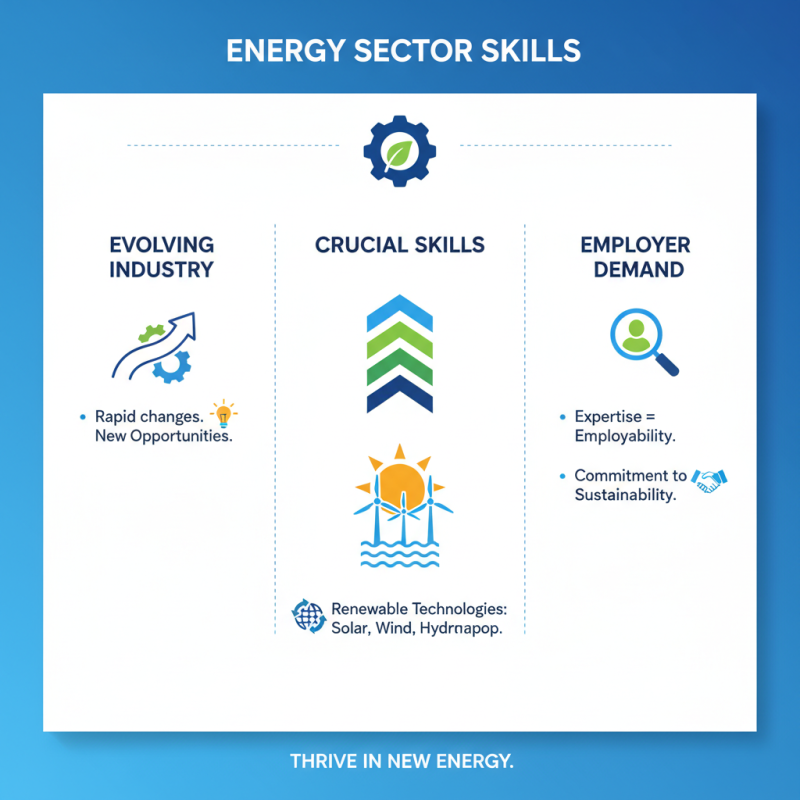
The energy sector is rapidly evolving. To thrive in this industry, certain skills are essential. Knowledge of renewable technologies is crucial. Understanding solar, wind, and hydropower can set you apart. Many employers seek candidates with this expertise. It shows your commitment to sustainability.
Analytical skills play a significant role. You’ll often need to interpret data and trends. Analyzing energy consumption patterns can help develop efficient strategies. Getting comfortable with software tools can boost your productivity. However, many beginners struggle with this aspect. Practice is key.
Strong communication skills are equally important. You must convey complex ideas simply. Collaboration with diverse teams is a daily task. Misunderstandings can lead to costly mistakes. Be open to feedback. Learning from others enhances your growth. The journey might be challenging, but every setback offers valuable lessons.
Educational Pathways: Degrees and Certifications in Energy Management
A career in energy management requires the right educational background. Many entry-level positions ask for a bachelor’s degree. Common fields of study include energy management, environmental science, and renewable energy. According to the U.S. Bureau of Labor Statistics, jobs in the solar and wind sectors are projected to grow by over 60% by 2030. This surge creates ample opportunities for newcomers.
Certifications can enhance employment prospects as well. Programs focusing on energy efficiency or renewable energy technology are available. The Association of Energy Engineers offers certifications that showcase expertise. However, it’s important to note that not all programs are created equal. Some may lack recognition in the industry. Researching accredited programs is crucial.
Hands-on experience is vital, too. Internships can open doors to real-world understanding. Many beginners overlook this aspect. Building connections through networking can also lead to job offers. A lack of connections can create challenges. Continuous learning is needed as the energy sector is constantly evolving. Embrace the journey and learn from each step taken.
Networking Strategies: Building Connections in the Energy Industry
In the energy industry, networking is crucial for newcomers. Building connections can lead to valuable opportunities. According to the U.S. Bureau of Labor Statistics, job openings in energy sectors are projected to grow by 8% over the next decade. This highlights the importance of making the right contacts early on.
Engaging in industry events is essential. Attend conferences and seminars to meet professionals. Utilize platforms like LinkedIn to showcase skills and connect with experts. Follow industry trends by reading reports and publications. Align your interests with market needs. Research shows that over 70% of jobs are found through networking rather than job boards.
Tips: Be genuine in your interactions. People value authenticity. Don’t hesitate to ask questions. Many in the energy sector are eager to support newcomers. Remember, every connection may lead to growth opportunities. Yet, some may not be fruitful. Reflect on your experiences and refine your approach as needed. Focus on building long-term relationships rather than just chasing immediate gains.
Emerging Technologies and Innovations Shaping the Future of Energy
Emerging technologies are transforming the energy industry. Innovations like renewable energy sources, smart grids, and energy storage systems are leading the way. Solar panels and wind turbines are becoming more efficient and affordable. Battery technology is advancing, making energy storage more viable. These changes impact how we produce and consume energy.
As a beginner in this field, understanding these technologies is crucial. New players often struggle to keep up. They may underestimate the learning curve involved. Participating in workshops and online courses can help bridge this gap. Connecting with industry experts provides insights that books sometimes miss. Engaging with professionals also sparks ideas and fosters collaboration.
Exploring the role of data analytics is essential. Analyzing energy consumption patterns can lead to significant savings. However, beginners may overlook the importance of data. Creating an effective data strategy is challenging yet rewarding. Energy efficiency projects often start small but can lead to larger initiatives. Embracing change and being adaptive are keys to success.
Emerging Technologies in the Energy Sector
This chart illustrates the current capacity in gigawatts (GW) for various emerging energy technologies, highlighting the predominant sources shaping the future of energy.