Best Sustainable Energy Solutions for Global Buyers?
As the global community faces the stark challenges of climate change, the transition to sustainable energy becomes vital. This shift is not merely an option; it is a necessity. Sustainable energy sources, like wind, solar, and hydro, offer solutions to reduce reliance on fossil fuels. Many businesses now seek these alternatives. However, navigating the landscape of sustainable energy is complex.
Global buyers face numerous choices. The market presents a range of technologies and solutions. Yet, not all are equally effective or reliable. Research shows that buyers often struggle to find the best options. They must balance cost, efficiency, and environmental impact. This can lead to confusion and missed opportunities.
Sustainable energy adoption is steadily growing. Despite this progress, some hurdles remain. Purchasers must consider long-term implications, potential risks, and benefits. Understanding these elements can foster informed decisions. It is crucial to remain cautious yet optimistic about sustainable solutions. The journey towards a greener future is not without its challenges, but the potential rewards are immense.
Overview of Sustainable Energy Solutions for Global Markets
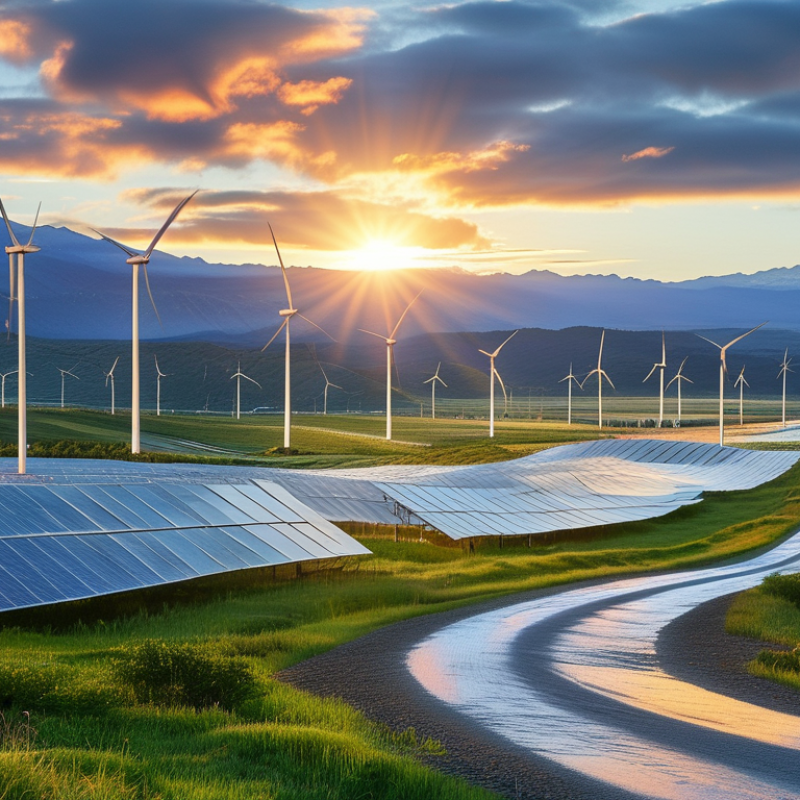
Sustainable energy solutions are crucial for global markets seeking to reduce their carbon footprint. The shift to renewable energy sources, such as solar and wind power, is essential. These options not only reduce greenhouse gas emissions but also promote energy independence. For many countries, investing in renewables can lead to job creation in installation and maintenance.
However, the transition is not without challenges. Infrastructure limitations can hinder the adoption of these technologies. Many regions struggle with the integration of renewable energy into existing grids. This creates questions about reliability and energy storage. Policymakers and businesses must work together to overcome these obstacles.
Another concern is the lifecycle impact of renewable technologies. Manufacturing and disposing of solar panels and batteries have environmental consequences. Exploring solutions, such as recycling programs, is necessary. As global buyers navigate these complexities, informed choices about sustainable energy investments are essential. The future may hold promising innovations, but close scrutiny and reflection are vital for meaningful progress.
Key Players in the Sustainable Energy Industry
The sustainable energy industry features a diverse range of key players, each contributing uniquely to the global energy landscape. Governments, large-scale developers, and research institutions collaborate to create innovative solutions. Local governments often implement policies that encourage renewable energy adoption. These initiatives can drive businesses and households toward greener alternatives, making a significant impact.
Many companies are exploring advanced technologies to improve efficiency. Some focus on solar energy installations, while others dive into wind or hydropower. Research shows that combining different energy sources can stabilize supply. This approach highlights the necessity for a more integrated energy infrastructure. At times, mismanagement in project implementations can lead to delays. These challenges remind us that the path to sustainability requires ongoing evaluation.
Financial institutions are also critical in this ecosystem. They invest capital in promising projects that align with eco-friendly goals. However, not all investments yield expected returns. A few ventures fail, leading to financial setbacks. This uncertainty demonstrates that while the industry shows promise, it remains fraught with risks and learning curves. Embracing adaptability and strategic planning is essential for overcoming these hurdles in the pursuit of sustainable energy solutions.
Best Sustainable Energy Solutions for Global Buyers
| Solution Type |
Annual Capacity (MW) |
Market Share (%) |
Region |
Growth Rate (%) |
| Solar Power |
150,000 |
35% |
Global |
20% |
| Wind Energy |
90,000 |
23% |
North America |
15% |
| Hydropower |
200,000 |
20% |
Asia |
10% |
| Biomass |
30,000 |
5% |
Europe |
8% |
| Geothermal |
15,000 |
2% |
Oceania |
12% |
Innovative Technologies Driving Sustainable Energy Adoption
The shift towards sustainable energy is more than a trend; it's a necessity. Innovative technologies are leading this change. Solar panels are becoming more efficient, capturing more sunlight for energy. Wind turbines have evolved, making energy harnessing cleaner and more effective. Hydropower is also receiving upgrades, maximizing output while minimizing environmental impact.
Adopting these technologies requires careful consideration. Buyers should assess local conditions, such as sunlight and wind patterns. This ensures the right technology is chosen. Understanding energy needs is crucial. Small businesses might need different solutions than large industries.
Monitoring energy performance is essential. Innovative software can track energy usage effectively. It provides insights, helping users adjust and optimize their systems. Engaging with local experts can enhance decision-making. They often provide valuable local insights and support for sustainable practices.
Best Sustainable Energy Solutions for Global Buyers
This bar chart represents the adoption rates of various sustainable energy solutions globally. As technology advances, these solutions are becoming more popular among buyers seeking innovative and eco-friendly options.
Challenges and Opportunities in Global Sustainable Energy Procurement
In the pursuit of sustainable energy solutions, global buyers face significant challenges. One major hurdle remains the inconsistency in regulatory frameworks across different regions. This complicates procurement strategies. Buyers must navigate a patchwork of policies that can delay project implementation. Local content requirements can further complicate global sourcing. Understanding these nuances is critical for successful investment.
Opportunities exist amid these challenges. Innovations in technology, such as energy storage and smart grid solutions, can enhance efficiency. Collaborating with local suppliers can also strengthen supply chains. Building these partnerships fosters resilience and helps buyers adapt to changing market conditions. There is potential for shared learning and resource optimization. Companies often underestimate the value of localized knowledge.
Yet, pursuing sustainability is not without its flaws. Short-term thinking can lead to suboptimal decisions. Companies may prioritize immediate costs over long-term gains. This can jeopardize overall sustainability goals. Reflecting on these factors is essential. A balance between cost-efficiency and environmental impact is necessary for true progress in sustainable energy procurement.
Case Studies of Successful Sustainable Energy Implementation
Sustainable energy solutions have gained traction globally, with case studies showcasing successful implementations. One notable example involves a community in South America that transitioned to solar power. Initially, the local grid was unreliable. Many households relied on costly diesel generators. The installation of solar panels significantly cut energy costs and provided consistent power. However, initial skepticism from residents posed a challenge.
In Africa, a wind energy project demonstrated both potential and hurdles. This initiative sought to harness strong wind patterns. While it showed promise for clean energy generation, logistical issues arose. Transporting materials to remote locations increased expenses. Local engagement was crucial. Communities needed training on maintenance and operation. Feedback loops revealed concerns about noise and land use, prompting further reflection.
Both scenarios highlight the importance of tailoring solutions to local contexts. Stakeholder involvement is necessary for long-term success. Challenges like infrastructure and community engagement should not be overlooked. These examples remind us that sustainable energy implementation is complex. Each case requires careful planning, clear communication, and a willingness to adapt to specific needs.