What is Sustainable Energy Sources and Why Are They Important?
Sustainable energy sources are crucial for our planet's future. According to Dr. Emily Johnson, a leading expert in renewable energy, "The transition to sustainable energy sources is not just beneficial; it’s essential for survival." This statement underscores the urgency of embracing cleaner energy alternatives.
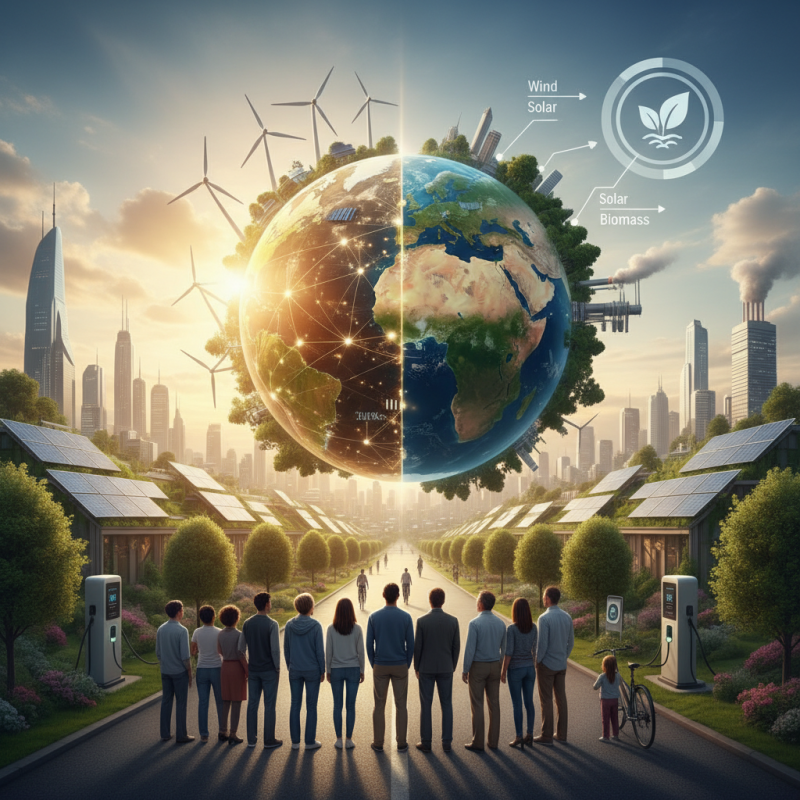
Awareness around sustainable energy sources is growing, but challenges remain. Many still rely on fossil fuels. The shift requires innovation and commitment from everyone. Less than half of the global population understands the importance of wind, solar, and biomass energy. Education can bridge this gap, fostering a culture of sustainability.
Implementing sustainable energy sources can seem daunting. It demands investment and strategic planning. Yet, cities worldwide are making progress. Initiatives like community solar projects show promise. Each step towards sustainability brings us closer to a cleaner, healthier world. Balancing progress with responsibility is critical in this journey.
Definition of Sustainable Energy Sources
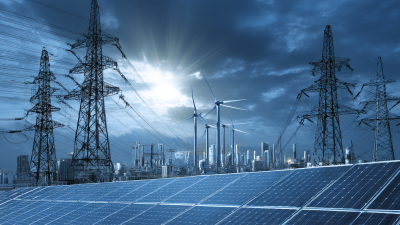
Sustainable energy sources are vital for a greener future. They include solar, wind, hydro, and geothermal energy. These sources are renewable, meaning they can be replenished naturally. The International Energy Agency (IEA) reported that renewable energy could meet 80% of global electricity needs by 2050.
Defining sustainable energy sources involves recognizing their low environmental impact. Solar panels convert sunlight into electricity without harmful emissions. Wind turbines harness wind power, generating energy while using minimal land. According to the Global Wind Energy Council, wind power could avoid up to 4 billion tons of CO2 per year by 2030.
Tips: Consider installing solar panels on your home. They can significantly reduce electricity bills. Also, participate in local green initiatives. Every small effort contributes to a larger impact. Transitioning to sustainable sources might be challenging. Infrastructure changes take time and commitment. However, the benefits outweigh the difficulties.
Sustainable Energy Sources and Their Importance
Types of Sustainable Energy Sources
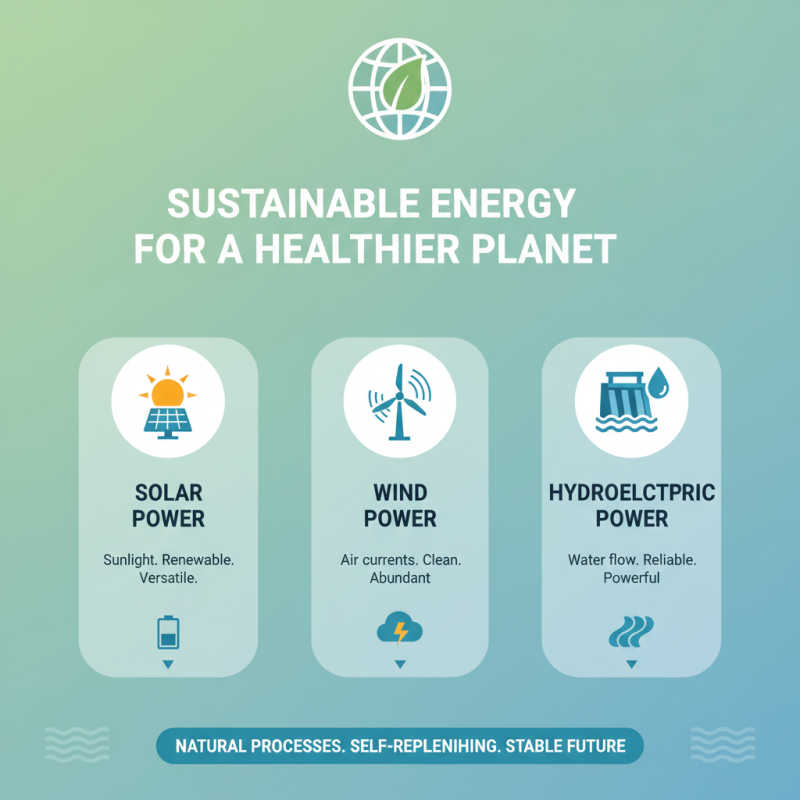
Sustainable energy sources are essential for a healthier planet. They come from natural processes that can replenish themselves. This makes them a more stable choice for the future. Solar, wind, and hydroelectric power are common examples. Each type has its unique features and advantages.
Solar energy captures sunlight using photovoltaic cells. It can be used in homes and businesses. Wind energy harnesses the power of wind through turbines. It's often found in open spaces where the wind is strong. Hydroelectric power utilizes moving water, typically from rivers, to generate electricity. These methods are less harmful to the environment than fossil fuels.
Yet, embracing these sources isn't without challenges. Solar panels require space and resources to manufacture. Wind farms can disturb local wildlife. Hydroelectric plants sometimes affect river ecosystems. It’s vital to consider these impacts as we shift towards greener practices. Sustainable energy sources can lead us to a better future, but we must tread carefully.
Benefits of Sustainable Energy Sources
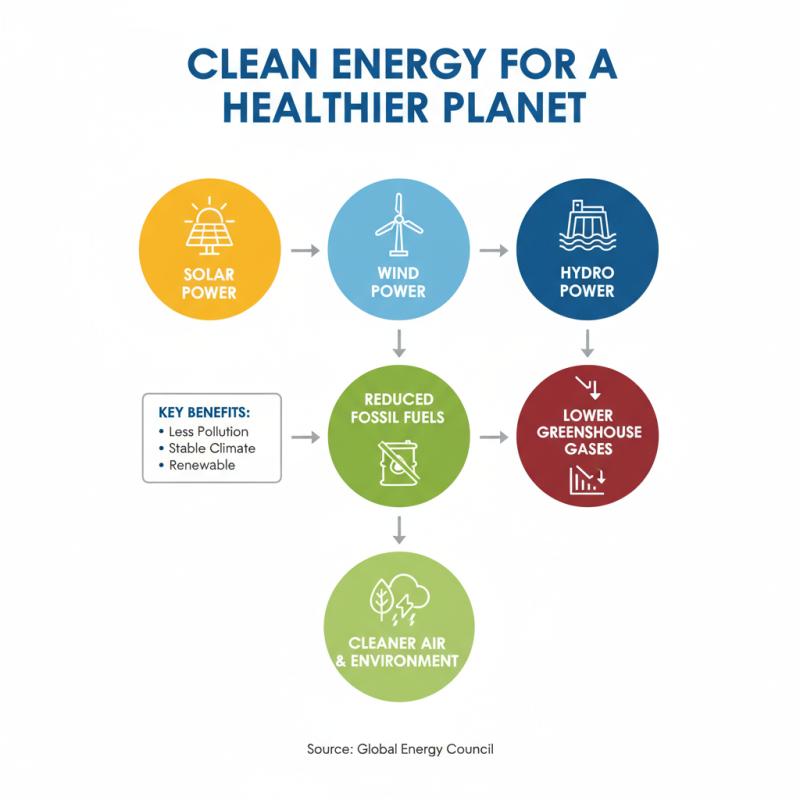
Sustainable energy sources are vital for the planet. They include solar, wind, and hydro power. These sources reduce our reliance on fossil fuels. This shift cuts greenhouse gas emissions significantly. Cleaner air and a healthier environment result from using sustainable energy.
The benefits are far-reaching. For one, they create jobs in new industries. This growth helps local economies. Renewable energy is also often cheaper in the long run. Governments and individuals save money on utility bills. However, transitioning to these sources isn’t without challenges. Infrastructure may need upgrades, and technology can be inconsistent.
Moreover, communities must be educated about these benefits. Awareness is crucial to gain public support. People may resist change and cling to old habits. Embracing sustainable energy requires a collective effort. The path to a greener future is complex but necessary.
Challenges in Implementing Sustainable Energy
The transition to sustainable energy faces significant challenges. Many people still rely on fossil fuels. This dependency slows down the shift towards renewable resources. It takes time to change long-standing habits. In some areas, access to renewable energy sources is limited. This creates additional barriers for communities wishing to adopt greener practices.
Investments in infrastructure are also necessary. Building solar farms or wind turbines requires substantial funding and planning. Many governments struggle to prioritize these projects. Additionally, technological advancements must be made. Current technologies can be inefficient or unreliable. This unpredictability makes it difficult for industries to fully commit to renewable energy.
Public awareness plays a crucial role in this shift. Not everyone understands the benefits of sustainable energy. Education is key, yet sometimes overlooked. Many still question the effectiveness of renewable options. There is often concern about costs and practicality. While the future looks promising, we must acknowledge these ongoing challenges. Real change requires effort and collaboration.
The Future of Sustainable Energy Technologies
Sustainable energy technologies are reshaping our future. According to the International Energy Agency (IEA), renewables could supply 80% of the world’s electricity by 2050. This shift is crucial for reducing greenhouse gas emissions. However, the transition is not without challenges. Many regions still depend on fossil fuels. This dependence hinders progress towards a sustainable future.
Technological advancements are vital. Solar and wind energy are leading the charge, with costs dropping drastically. A report from BloombergNEF highlights that the cost of solar power has fallen by 89% since 2009. Yet, energy storage remains a hurdle for widespread adoption. Energy storage solutions must improve to make renewable energy reliable.
Investment is key in this transition. Global investment in renewable energy reached $300 billion in 2020. But we need to invest more in infrastructure. Innovation alone isn't enough; political will and public support play a role. Communities must engage with these technologies actively. The road ahead is complex and uncertain. Real change requires everyone’s effort.
What is Sustainable Energy Sources and Why Are They Important?
| Energy Source |
Description |
Advantages |
Challenges |
| Solar Energy |
Energy harnessed from the sun using solar panels. |
Renewable, low maintenance costs, and can reduce electricity bills. |
Intermittent availability and requires space for installation. |
| Wind Energy |
Energy generated from wind using turbines. |
Clean, renewable, and can produce energy at large scales. |
Dependent on wind patterns and can impact local wildlife. |
| Hydropower |
Electricity produced from water flow, typically from dams. |
Reliable and can generate large amounts of electricity. |
Impact on ecosystems and displacement of communities. |
| Geothermal Energy |
Energy derived from the heat stored beneath the earth's surface. |
Sustainable, minimal land footprint, and reliable. |
Geographically limited and high initial costs. |
| Biomass Energy |
Energy produced from organic materials like plant and animal waste. |
Reduces waste and can utilize existing infrastructure. |
Can lead to deforestation and may produce emissions. |