Why Sustainable Energy Sources Are Key to Our Future and How They Impact Us
The growing urgency of climate change and environmental degradation has brought sustainable energy sources to the forefront of global discussions. As we grapple with the consequences of fossil fuel dependency, the transition to renewable energy systems becomes not only an option but a necessity for a sustainable future. Sustainable energy sources, such as solar, wind, and hydropower, provide a viable path towards reducing greenhouse gas emissions, preserving natural resources, and promoting energy security.
Embracing sustainable energy sources offers numerous benefits that extend beyond environmental impact. They have the potential to create jobs, stimulate economic growth, and enhance energy access in underserved communities. Furthermore, by investing in clean energy technology, nations can reduce their reliance on imported fuels, fostering greater energy independence and stability. This shift not only addresses the pressing issues of climate change but also paves the way for a healthier, more sustainable world for future generations.
The integration of sustainable energy sources into our energy systems is crucial for ensuring a resilient and equitable future. As individuals, communities, and governments recognize the importance of these energy solutions, we can collectively contribute to a paradigm shift that prioritizes the health of our planet, the well-being of its inhabitants, and the longevity of our natural resources. It is through this commitment that we can truly make a difference and secure a brighter future for all.

The Importance of Sustainable Energy in Addressing Climate Change Challenges
Sustainable energy sources, including solar, wind, and hydroelectric power, play a crucial role in mitigating climate change challenges. According to the International Renewable Energy Agency (IRENA), in 2020, renewable energy accounted for approximately 29% of global electricity generation. This shift toward cleaner energy sources is vital as it significantly reduces greenhouse gas emissions, which are the primary contributors to global warming. The Intergovernmental Panel on Climate Change (IPCC) emphasizes that transitioning to renewable energy could reduce carbon emissions by up to 70% by 2050, underscoring the urgency of adopting sustainable practices in energy production.
Furthermore, the importance of sustainable energy extends beyond emissions reduction. The World Economic Forum highlights that investing in renewable energy not only creates jobs but also enhances energy security for nations. For instance, the transition to renewable sources could create up to 24 million jobs globally by 2030, according to IRENA’s analysis. This potential for job creation is particularly significant in a recovering post-pandemic economy, positioning sustainable energy as a cornerstone for both ecological resilience and economic stability. Consequently, the integration of renewable energy into our infrastructure is imperative for a sustainable and equitable future.
Renewable Energy Sources by Percentage (2022)
This chart illustrates the percentage contribution of various renewable energy sources to the global renewable energy mix in 2022. Focusing on sustainable energy sources like solar, wind, hydroelectricity, geothermal, and biomass is essential for mitigating climate change and transitioning to a low-carbon future.
Examining the Economic Benefits of Transitioning to Renewable Energy Sources
The transition to renewable energy sources is not only crucial for environmental sustainability but also offers significant economic benefits. According to a report from the International Renewable Energy Agency (IRENA), the global renewable energy sector created approximately 11.5 million jobs by the end of 2018, and this number is projected to reach 24 million by 2030. This surge in job creation is largely driven by investments in wind, solar, and other renewable technologies, which require a skilled workforce for installation, maintenance, and innovation.
Moreover, the shift towards renewable energy is associated with substantial cost savings. Research from Lazard reveals that the levelized cost of electricity from utility-scale solar and wind has fallen by over 80% since 2010, making these sources cheaper than traditional fossil fuels in many regions. By investing in renewable infrastructure, nations can reduce their dependency on imported fuels, leading to lower energy costs and increased energy security. Furthermore, the economic boost from renewable energy can lead to improved public health outcomes due to reduced air pollution, which in turn can alleviate financial burdens associated with healthcare costs related to pollution-related illnesses.
How Renewable Energy Technologies are Transforming Global Energy Markets
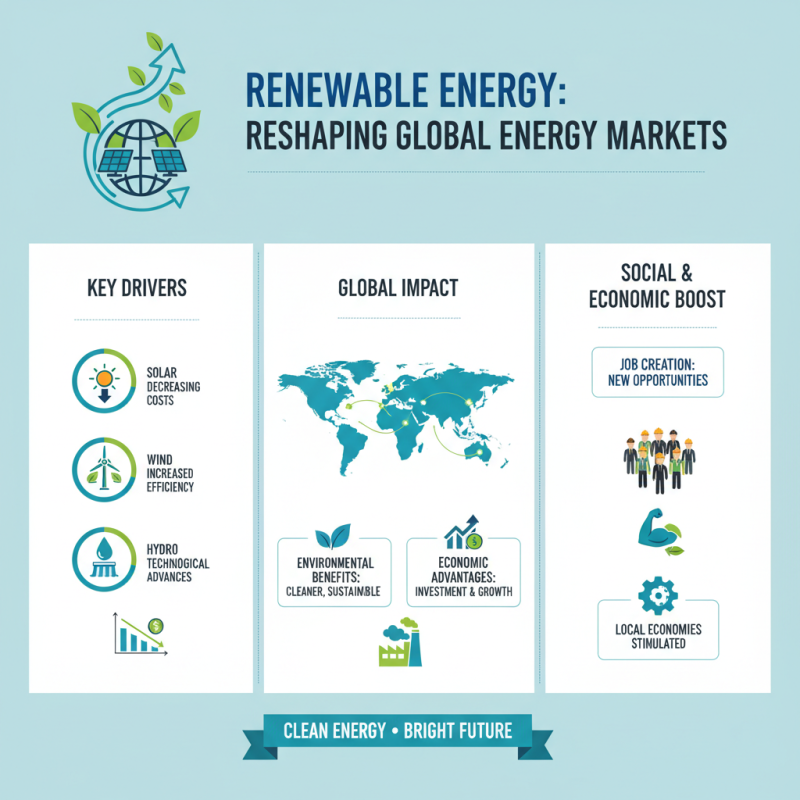
Renewable energy technologies are fundamentally reshaping global energy markets, ushering in an era of cleaner and more sustainable energy solutions. The increased efficiency and decreasing costs of solar, wind, and hydroelectric systems are driving this transformation. Countries are investing heavily in infrastructure that supports these technologies, recognizing that a shift toward sustainable energy is not just beneficial for the environment but also economically advantageous. The growth in job creation within the renewable sector further amplifies its importance, stimulating local economies and offering new employment opportunities.
Tip: If you’re considering how to participate in this shift, look for ways to incorporate renewable energy into your own life. Simple actions, such as using energy-efficient appliances, supporting local green initiatives, or even exploring home solar installations, can contribute significantly to the demand for sustainable solutions.
Furthermore, policy changes and international agreements emphasizing carbon neutrality have led to increased competition among nations to innovate in renewable technologies. This competition is fostering research and development, resulting in breakthroughs that make renewable energy more accessible and reliable. As emerging markets adopt these technologies, they benefit from reduced dependence on fossil fuels and improved energy security.
Tip: Staying informed about renewable energy trends can empower you to make more sustainable choices. Engaging with community organizations focused on renewable energy can also provide resources and support in your personal and communal energy initiatives.
The Role of Sustainable Energy in Enhancing Energy Security and Independence
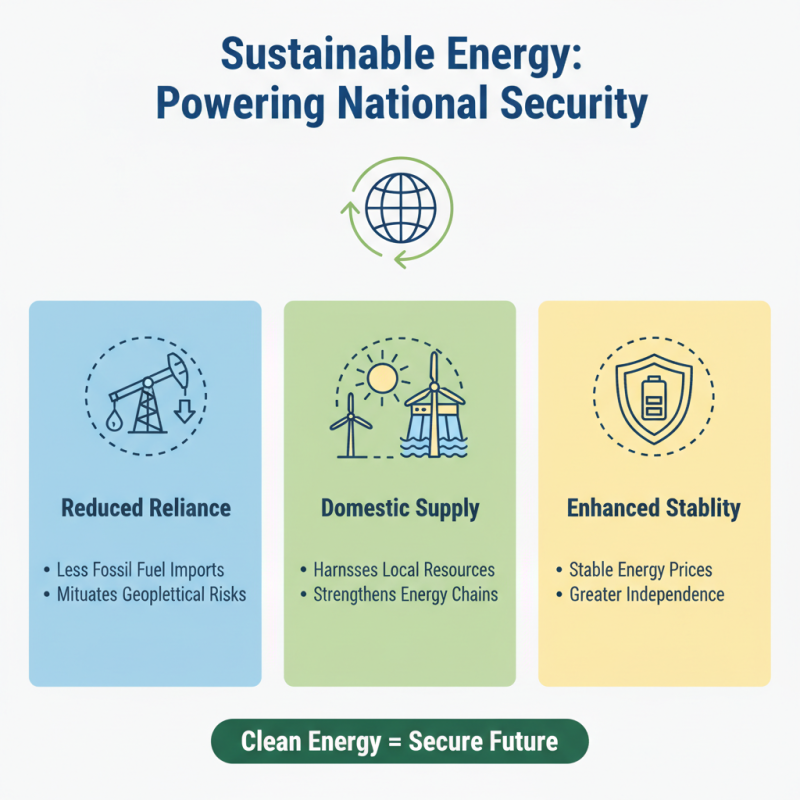
Sustainable energy sources play a pivotal role in enhancing energy security and independence for nations globally. As countries strive to reduce their reliance on fossil fuels, investing in renewable energy such as solar, wind, and hydroelectric power not only mitigates environmental impacts but also strengthens domestic energy supply chains. By harnessing local resources, nations can decrease their vulnerability to geopolitical tensions and market volatility associated with traditional energy imports.
Furthermore, the transition to sustainable energy fosters economic resilience by creating jobs and stimulating innovation. Localized energy production minimizes the need for extensive transportation networks, thus reducing the risks linked to supply chain disruptions. This shift not only empowers communities through job creation in green technologies but also encourages advancements in energy efficiency and storage solutions, further bolstering national energy independence. As we move toward a future dominated by renewable energy, the benefits of sustainable sources extend beyond environmental wellbeing, enhancing both security and economic stability for generations to come.
Social Impacts of Adopting Sustainable Energy Practices in Communities
The transition to sustainable energy sources has profound social impacts on communities, fostering a sense of cohesion and collective responsibility. As neighborhoods adopt renewable energy practices, such as solar or wind power, there is often a shift in community dynamics. Residents may collaborate on initiatives, such as community energy projects, which not only reduce individual energy costs but also enhance community bonds. This collaborative effort promotes awareness and education about sustainability, encouraging a culture of environmental stewardship and shared values among community members.
Moreover, embracing sustainable energy can lead to job creation and economic development at the local level. As communities invest in renewable energy infrastructure, new opportunities arise in installation, maintenance, and related service industries. These jobs often cannot be outsourced, contributing to local economies and providing stable employment for residents.
Additionally, the focus on green energy initiatives may attract new businesses and residents who prioritize sustainability, thereby enhancing the overall quality of life in the community and promoting a cleaner, healthier environment for all.