What is Sustainable Energy Systems and Why Do They Matter?
Sustainable energy systems are vital for our planet's future. They integrate renewable resources to reduce environmental impact. Experts emphasize the importance of these systems in combatting climate change. Dr. Emily Chang, a leader in renewable energy research, once said, "Sustainable energy systems are not just an option; they're a necessity."
These systems include solar, wind, hydro, and bioenergy. They provide clean alternatives to fossil fuels. Yet, they face challenges in implementation. Public awareness is often low. Investment seems inadequate, and policy frameworks can lag behind.
Ignoring sustainable energy systems could lead to dire consequences. Rising temperatures and energy shortages might escalate. Transitioning to sustainable solutions requires collective effort and innovation. Many obstacles remain, but the potential benefits are immense. By embracing sustainable energy systems, we can create a resilient future for generations to come.
Definition of Sustainable Energy Systems
Sustainable energy systems refer to energy solutions that meet our needs without compromising the future. They emphasize renewable sources such as wind, solar, and hydro. These systems are designed to minimize environmental impacts while maximizing efficiency. By integrating smart technologies, we can optimize energy use and reduce wastage.
However, the path to sustainable energy is not without challenges. Transitioning from fossil fuels to renewables is complex. Infrastructure must change, and investments are needed. Many communities might struggle with this shift. There are questions about the reliability of renewable sources. For example, solar energy depends on sunlight, which can be inconsistent.
Sustainable energy systems matter because they promote environmental health and economic stability. Clean energy reduces air pollution and combats climate change. It also creates jobs in emerging markets. Yet, the transition requires careful planning and consideration. We must engage communities in discussions about their energy future. Overcoming resistance and addressing concerns is vital for success. The dialogue must continue.
Key Components of Sustainable Energy Systems
Sustainable energy systems are critical for a resilient future. These systems include renewable energy sources, efficient energy use, and supportive technologies. According to the International Renewable Energy Agency (IRENA), renewable energy could provide 86% of global power by 2050. This shift is essential, but it’s not without challenges.
Key components of sustainable energy systems include solar, wind, and energy storage. Solar energy harnesses sunlight for electricity, reducing reliance on fossil fuels. Wind energy captures kinetic energy from air movement. The global wind capacity grew by 53 gigawatts in 2020 alone, showing immense growth. However, energy storage remains problematic. Many batteries are costly and have limited lifespans.
Grid integration is crucial but can be complex. An unreliable grid may discourage investment in renewable sectors. Furthermore, regions lacking infrastructure face a greater uphill battle. The balance between renewable generation and storage must improve. A study by McKinsey suggests that an optimized grid could reduce emissions by 30%. These components are interconnected yet face scrutiny and need innovation.
What is Sustainable Energy Systems and Why Do They Matter? - Key Components of Sustainable Energy Systems
| Component |
Description |
Importance |
| Solar Energy |
Utilizing sunlight through photovoltaic cells to generate electricity. |
Reduces reliance on fossil fuels, lowers carbon emissions, and provides a renewable source of power. |
| Wind Energy |
Harnessing wind power through turbines to produce electricity. |
Decreases greenhouse gas emissions and offers a sustainable energy supply. |
| Hydropower |
Generating power by using water flow in rivers or dams. |
Reliable and consistent energy source, capable of supplying large-scale electricity needs. |
| Biomass |
Using organic materials to produce electricity, heat, or biofuels. |
Utilizes waste materials, reduces landfill use, and contributes to energy diversity. |
| Geothermal Energy |
Extracting heat from the earth's interior to generate power or heat buildings. |
Provides a steady energy source with minimal environmental impact. |
| Energy Storage |
Technologies like batteries and pumped hydro storage that store energy for later use. |
Enhances grid reliability and allows the integration of variable renewable energy sources. |
Importance of Sustainable Energy for Environmental Conservation
Sustainable energy systems play a crucial role in environmental conservation. According to the International Energy Agency, renewable energy sources could provide over 80% of global electricity by 2050. This shift is essential for reducing greenhouse gas emissions. Fossil fuels account for nearly 75% of these emissions today. Adopting sustainable energy significantly lowers the carbon footprint.
Moreover, these systems help mitigate air pollution. The World Health Organization reported that air pollution causes about 7 million deaths each year. Renewable energy sources, such as wind and solar, generate power without harmful emissions. Yet, there are challenges. Transitioning to sustainable energy requires significant investment and infrastructure updates. Some countries lag behind in adopting these technologies, hindering progress.
In addition, energy storage remains a critical issue. Often, renewable sources like solar and wind are intermittent. Finding efficient storage solutions is necessary for a reliable energy supply. Researchers are exploring various technologies, but solutions are not yet universally affordable. This leaves gaps in energy accessibility, especially in developing regions, where energy poverty is still a pressing concern.
Economic Impacts of Implementing Sustainable Energy Solutions
The shift towards sustainable energy systems is crucial for economic growth. According to a recent report by the International Renewable Energy Agency (IRENA), renewable energy could add $98 trillion to the global economy by 2050. This transition could create over 24 million jobs. However, challenges remain in workforce training.
The initial investments in sustainable energy solutions can be daunting. For instance, the upfront cost of solar panels can be high. Yet, these systems often lead to lower long-term energy expenses. A study found that homeowners can save an average of 50% on energy bills with solar installation. Such data shows the potential benefits, but many still hesitate.
Additionally, implementing sustainable energy can stimulate local economies. Communities that invest in renewable energies often see a diversification of their job markets. A report from the American Solar Energy Society indicated that every megawatt of solar power installed creates about 5.65 jobs. However, some regions struggle with policy support. Addressing these obstacles is vital to harness the full economic impact of sustainable energy systems.
Economic Impacts of Implementing Sustainable Energy Solutions
Future Trends in Sustainable Energy Systems and Their Global Significance
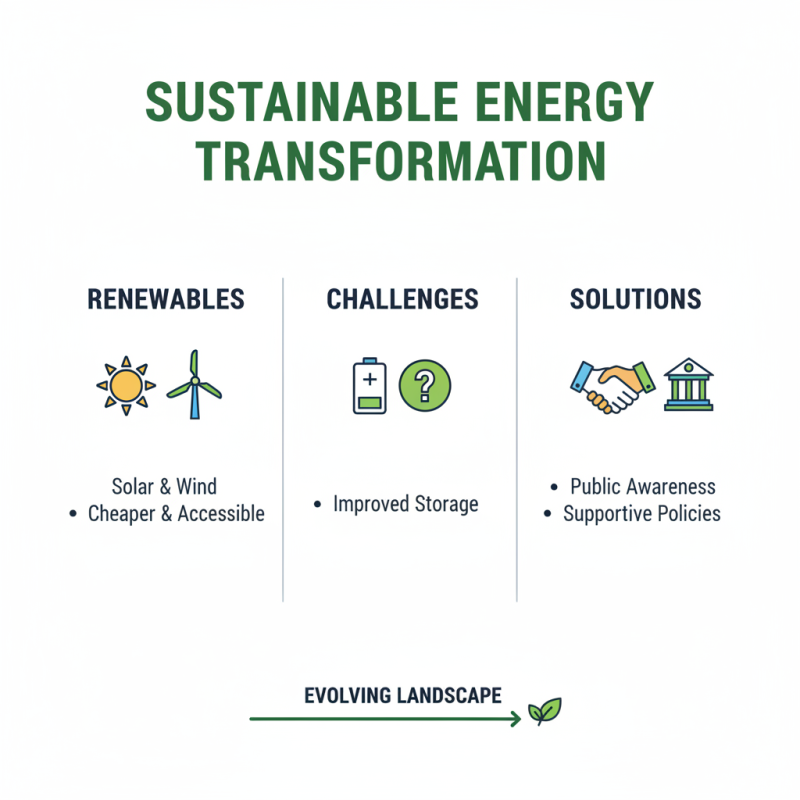
The landscape of sustainable energy systems is rapidly evolving. Renewables like solar and wind are becoming cheaper and more accessible. However, challenges remain. Storage technology needs improvement to harness energy efficiently. Transitioning to these systems is not just about technology. It requires public awareness and government policies that support sustainability.
Future trends highlight the importance of localized energy production. Communities could generate their own electricity, reducing reliance on centralized power grids. Yet, not everyone has equal access to these resources. Many regions still lack infrastructure and investment. This raises questions about equity in sustainable energy systems.
Moreover, integrating smart technology into energy systems presents both opportunities and pitfalls. While smart grids optimize energy flow, they also introduce cybersecurity risks. Balancing innovation with security is crucial. Decentralization can empower individuals but also lead to information overload. A careful approach is essential as we navigate these transformations.