Top 10 Reliable Power Solutions for Global Buyers?
In today's fast-paced world, the demand for reliable power solutions has never been more critical. According to a report by the International Energy Agency, global electricity demand is projected to grow by 4% annually, highlighting a pressing need for stability and efficiency in power supply. This growth is driven by increasing urbanization and technological advancements. As a result, companies must prioritize reliable power sources to ensure uninterrupted operations.
However, not all power solutions are created equal. Some providers promise reliability but fail to deliver when it matters most. A significant portion of businesses experiences costly downtime due to power disruptions. In fact, a study by the Electric Power Research Institute found that power outages can lead to losses exceeding $150 billion per year for U.S. businesses alone. This reality emphasizes the importance of choosing dependable options.
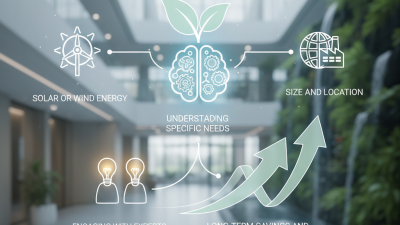
Navigating the landscape of power solutions can be complex. It requires an understanding of various technologies and their unique benefits. Some solutions, while marketed as reliable, may not meet the specific needs of every buyer. Firms must engage with experts to assess their power requirements thoroughly. This careful consideration can lead to more robust and resilient energy strategies.

Top 10 Reliable Power Solutions for Global Buyers
Choosing reliable power solutions is crucial for global buyers. In today's market, numerous options exist, each with diverse benefits. It involves understanding geographic needs and specific power demands.
Many choices allow buyers to adapt. Solar energy stands out due to its sustainability and wide availability. Many companies aim for greener solutions, but the implementation can be tricky. Proper installation and maintenance are essential, as power efficiency can fluctuate.
Wind power presents another promising option. Its effectiveness varies by region, making it a less favorable choice in less windy areas. Buyers must evaluate local data thoroughly. Battery storage systems have gained popularity too. However, many still struggle with capacity and lifespan issues. Navigating these considerations can be daunting yet rewarding for businesses seeking dependable power sources.
Overview of Global Power Solutions: Market Trends and Demand Analysis
The global power solutions market is witnessing noteworthy trends and shifts. According to industry reports, renewable energy sources are expected to dominate market growth, accounting for over 50% of new installations by 2025. This surge reflects a growing emphasis on sustainability and reducing carbon footprints. The demand for reliable power remains critical, as businesses and households alike seek stable energy sources to mitigate disruptions.
In regions facing power shortages, particularly in developing countries, innovative solutions are emerging. Reports indicate that off-grid solar power installations have increased by 25% annually. This trend highlights the importance of localized energy solutions. Companies are adopting hybrid systems to enhance energy reliability and efficiency. Yet, many still struggle with implementation challenges and high initial costs.
Tips: Always evaluate the local energy infrastructure before investing in power solutions. Collaboration with local experts can help navigate regulatory hurdles. It's essential to stay informed on emerging technologies and trends, as the market evolves rapidly. Being proactive can significantly enhance energy reliability in the long run.
Evaluating Efficiency: Key Metrics for Reliable Power Solutions
Evaluating efficiency in power solutions involves several critical metrics. One key metric is energy conversion efficiency, which measures how effectively power sources convert energy into usable electricity. Reports indicate that some modern solar power systems can achieve over 22% efficiency. This data highlights the importance of selecting technologies that minimize energy loss.
Another crucial factor is reliability. A study by the International Renewable Energy Association indicates that the average downtime for renewable power solutions is around 5%. Low downtime translates to consistent power supply, which is vital for both businesses and households. Regular assessments and maintenance can further enhance reliability, but many users overlook this aspect.
Cost-effectiveness also deserves attention. The levelized cost of electricity (LCOE) provides insights on the viability of different solutions. According to the U.S. Energy Information Administration, solar energy has witnessed a 90% reduction in LCOE over the past decade. This shift suggests a growing potential for long-term savings, although initial investments can still be high. Therefore, informed decision-making is necessary when evaluating options.
Top 10 Reliable Power Solutions - Efficiency Evaluation
This chart illustrates the efficiency ratings of the top 10 reliable power solutions based on various performance metrics. Each power solution is evaluated on a scale of 1 to 10, reflecting its reliability and effectiveness.
Renewable Energy Sources: Performance Data and Adoption Rates
The global momentum for renewable energy keeps growing. According to the International Energy Agency (IEA), renewable sources accounted for 29% of electricity generation worldwide in 2021. This figure reflects ongoing investments and advancements in technology. Wind and solar energy dominate this landscape, with solar capacity increasing more than 20% annually in recent years.
Despite these achievements, challenges remain. Adoption rates vary significantly across regions. For instance, Europe leads in wind energy, while Asia shows rapid growth in solar installations. However, some developing nations still depend on fossil fuels, hindering their transition to cleaner sources. Data reveals that policy frameworks and infrastructure gaps are major hurdles in these regions.
Performance data emphasizes the importance of energy storage solutions. The need for reliable storage systems grows as more intermittent sources, like wind and solar, enter the grid. According to BloombergNEF, investment in energy storage is projected to reach $620 billion by 2040. This shift signifies a crucial evolution needed to balance supply and demand effectively. The path is complex, yet vital for achieving sustainability goals.
Top 10 Reliable Power Solutions for Global Buyers
| Energy Source |
Performance (kWh/m²/year) |
Adoption Rate (%) |
Cost ($/kWh) |
| Solar Energy |
1500 |
30 |
0.06 |
| Wind Energy |
2500 |
23 |
0.04 |
| Hydropower |
4000 |
30 |
0.02 |
| Geothermal Energy |
3000 |
20 |
0.05 |
| Biomass Energy |
2000 |
15 |
0.07 |
| Nuclear Energy |
5000 |
10 |
0.01 |
| Tidal Energy |
3500 |
5 |
0.08 |
| Wave Energy |
3100 |
7 |
0.09 |
| Coal |
1200 |
35 |
0.10 |
| Natural Gas |
1100 |
40 |
0.06 |
Comparison of Traditional vs. Alternative Power Technologies
When comparing traditional and alternative power technologies, one must consider reliability and efficiency.
Traditional power sources, such as fossil fuels, have been predominant for years. They provide consistent energy but come with significant environmental impacts.
The depletion of resources and emissions raise concerns for the future.
Alternative power technologies are on the rise. Solar and wind energy are becoming more viable options.
They harness natural resources, reducing carbon footprints. However, they can be intermittent.
Weather dependency may lead to energy shortages. Balance is crucial.
Tips: Diversification is essential. Combining diverse technologies can create a stable energy supply.
Backup options are also necessary. Store energy during peak production periods.
Regularly assess your energy needs. Keep up with the latest trends in power solutions. This aids in making informed decisions.
Conclusion
The article "Top 10 Reliable Power Solutions for Global Buyers" delves into the current landscape of power solutions available globally, identifying key market trends and analyzing demand. It emphasizes the importance of evaluating efficiency through relevant metrics, highlighting how reliable power sources are critical for meeting commercial and residential energy needs.
Furthermore, the article explores renewable energy sources, discussing their performance data and increasing adoption rates across various sectors. A comparative analysis of traditional versus alternative power technologies reveals the shifting preferences towards sustainability. Lastly, it addresses industry standards and certifications that underpin the reliability of power solutions, ensuring that global buyers can make informed choices in their pursuit of dependable energy options.