Top 10 Best Clean Energy Solutions for a Sustainable Future?
As the world grapples with climate change, the demand for clean energy solutions has never been more urgent. According to the International Renewable Energy Agency (IRENA), renewable energy investments reached nearly $300 billion in 2020 alone. This is a clear sign of the growing commitment to sustainable energy sources. Clean energy solutions are vital for reducing carbon emissions and fostering a sustainable future.
Many nations are now prioritizing solar, wind, and hydropower. These technologies offer reliable alternatives to fossil fuels. A report from the Global Wind Energy Council indicates that the global wind capacity alone could power over 400 million homes. However, challenges remain in optimizing these clean energy solutions. Issues such as energy storage and distribution technology require continuous improvement.
In addition, public acceptance and policy support are crucial for advancement. Transitioning to a clean energy future isn’t without its hurdles. Yet, the potential benefits, including job creation and energy security, are compelling. As we explore the top 10 best clean energy solutions, it's essential to recognize both the progress achieved and the work still needed to achieve sustainability goals.
Top 10 Clean Energy Solutions: An Overview of Sustainable Technologies
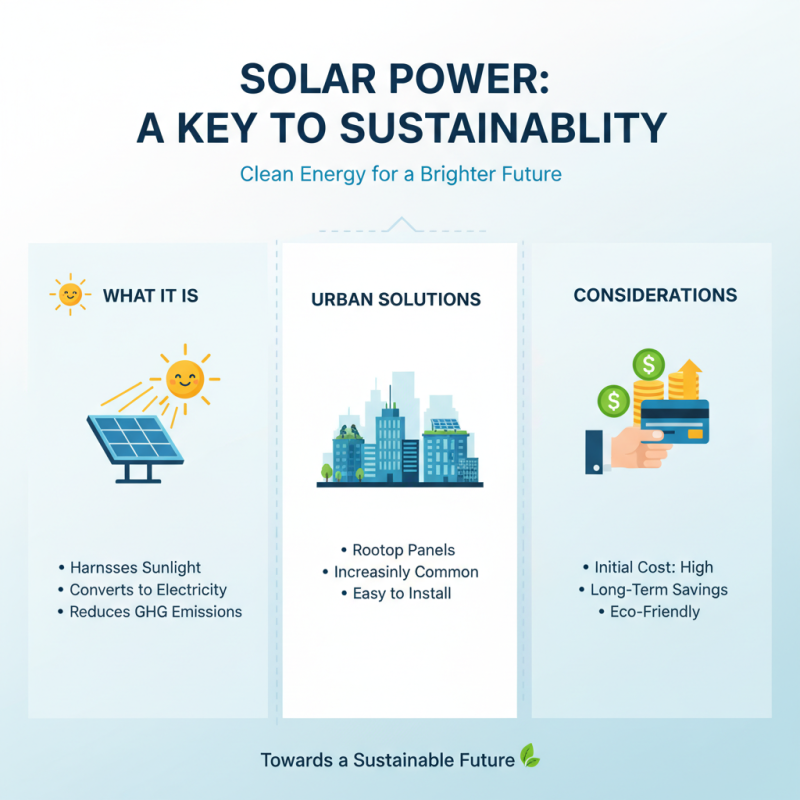
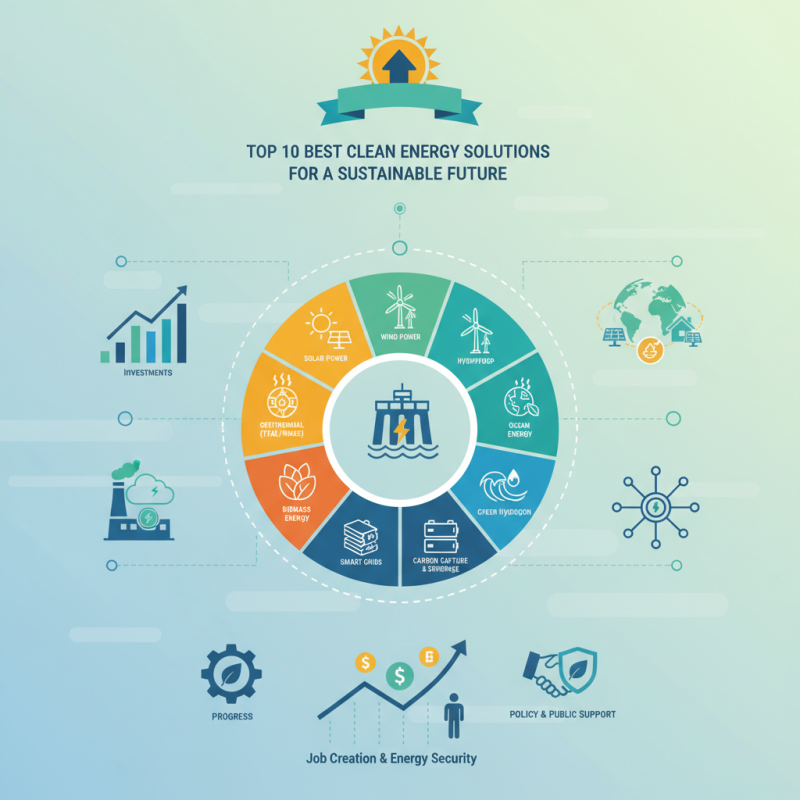
Clean energy solutions are vital for a sustainable future. Countries around the world are exploring various technologies to reduce greenhouse gas emissions. Solar power is one of the leading options. It harnesses sunlight and transforms it into electricity. Rooftop panels are becoming more common in urban areas. They are easy to install but can be expensive.
Wind energy also plays a crucial role in this transition. Wind turbines convert wind movement into energy. Offshore wind farms are emerging as a powerful solution. However, they may disrupt marine life, raising concerns. Geothermal energy utilizes the Earth’s heat. It’s reliable and can provide constant power. Yet, it requires specific geological conditions, limiting its availability.
Hydropower uses flowing water for energy. It's efficient, but large dams can harm ecosystems and displace communities. Biomass offers potential by transforming organic materials into energy. Yet, the sustainability of sourcing these materials is often uncertain. Each solution poses unique challenges, inviting us to reflect on the best path forward for our planet.
The Rise of Solar Power: Data on Efficiency and Cost Reduction Trends
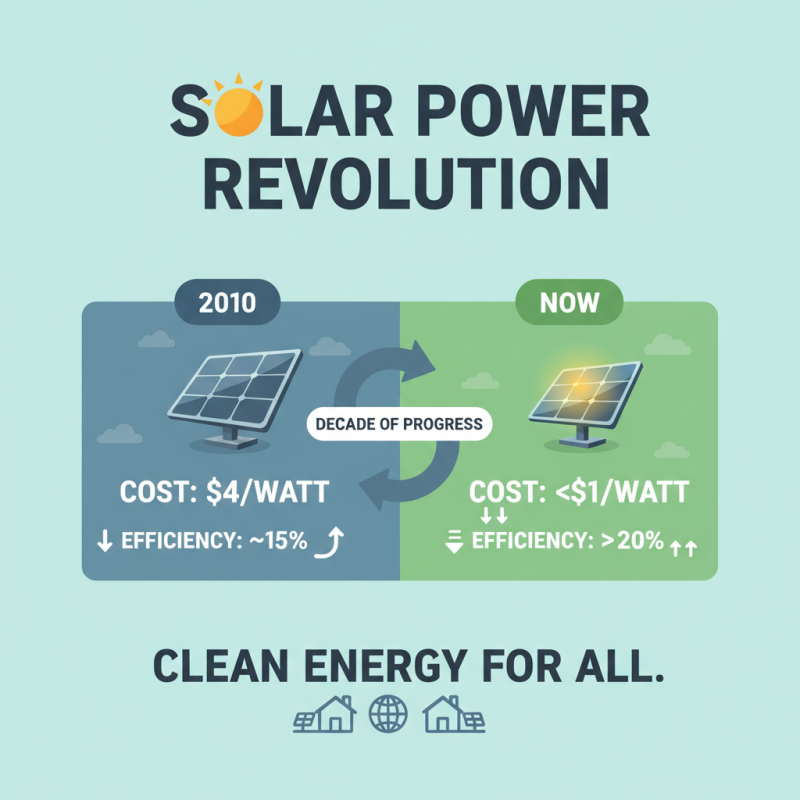
Solar power has become a key player in the clean energy revolution. Over the last decade, its efficiency has surged while costs have plummeted. In 2010, solar panels cost around $4 per watt. Now, that price is below $1 per watt. This drastic reduction makes solar energy accessible to many.
Data shows that modern solar panels convert sunlight to electricity at rates exceeding 20%. This efficiency boost is crucial for larger installations. However, not all regions benefit equally. Some places face obstacles, such as limited sunlight or space. In addition, while solar energy is clean, disposal of old solar panels can create waste challenges.
Beyond efficiency and cost, the rise of solar power prompts questions. Are we investing enough in supporting infrastructure? How can we ensure equitable access for all communities? These issues highlight the need for ongoing innovation in solar technology and policies. Addressing them is vital for a truly sustainable future.
Wind Energy Innovations: Capacity Growth and Environmental Impact Reports
Wind energy is transforming the way we think about clean power. Innovations in turbine technology have greatly increased capacity. Taller turbines capture more wind and produce more energy. Countries with open landscapes benefit the most. However, these advancements can also impact local wildlife and ecosystems. It's essential to assess these effects continually.
Tips: Educate yourself on local environmental impacts. Understanding the balance between energy production and ecosystem health is vital. Engage with local communities to gather diverse perspectives. This can lead to better decision-making.
The push for wind energy isn’t without its flaws. Sometimes, outdated infrastructure hinders progress. Maintenance issues can lead to efficiency losses. Moreover, while cleaner than fossil fuels, wind energy isn't entirely without a carbon footprint. The production of turbines involves significant resources. Reflection on these complexities is crucial for true sustainability.
Hydropower Developments: Contribution to Global Renewable Energy Capacity
Hydropower is a crucial player in the renewable energy landscape. It harnesses the energy of flowing water to generate electricity. This method has substantial potential, especially in regions with abundant water resources. The current global hydropower capacity exceeds 1,300 gigawatts. Hydropower projects can support local economies and create jobs. Yet, they often come with environmental concerns.
Many large hydropower dams disrupt ecosystems. Fish populations decline when migratory paths are blocked. Communities may face displacement. These factors highlight the need for careful planning. Innovations, like run-of-river systems, offer alternatives. They can reduce environmental impacts while providing energy. Still, the balance between development and nature is challenging.
The future of hydropower may depend on modern technology. Hydropower plants can become more efficient and environmentally friendly. As we explore these advancements, we must remain vigilant. Emphasizing sustainable practices is essential. Hydropower is a key part of the solution but requires reflection on its impacts.
Emerging Biofuels: Market Potential and Sustainability Assessments
Emerging biofuels are gaining traction as a significant alternative energy source. These fuels are derived from organic materials, such as crops and waste. They offer a way to reduce reliance on fossil fuels. However, not all biofuels are created equal. Some may lead to food shortages or increased land use.
Market potential for biofuels is enormous. Countries are exploring diverse feedstocks like algae and agricultural residues. This diversification could enhance sustainability. Yet, the environmental assessments of biofuels remain complex. Critics point out the trade-offs, highlighting emissions from production processes. The impact of land use changes also raises concerns.
Sustainability assessments must be thorough. Renewable energy benefits need to outweigh potential downsides. Researchers emphasize the importance of streamlined regulations. To maximize benefits, careful consideration of local contexts is necessary. As the market evolves, the balance between scalability and ecological responsibility remains a crucial challenge.
Top 10 Best Clean Energy Solutions for a Sustainable Future: Emerging Biofuels Market Potential