What are the Top Energy Engineering Trends for 2026?
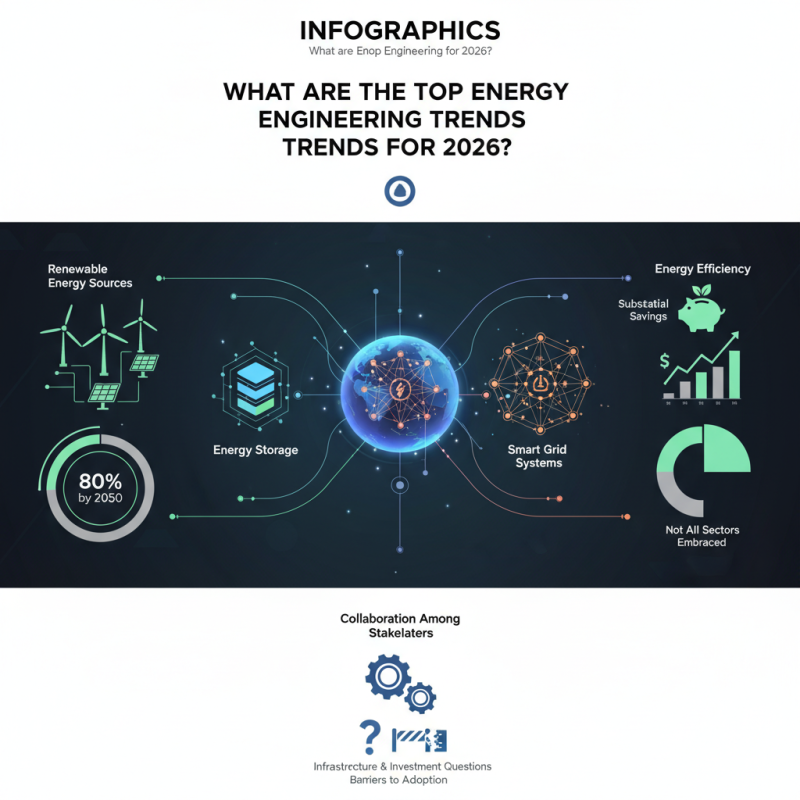
As the world moves towards a sustainable future, energy engineering plays a crucial role. According to the International Energy Agency, renewable energy sources could account for 80% of global power needs by 2050. This shift presents both challenges and opportunities for energy engineering professionals.
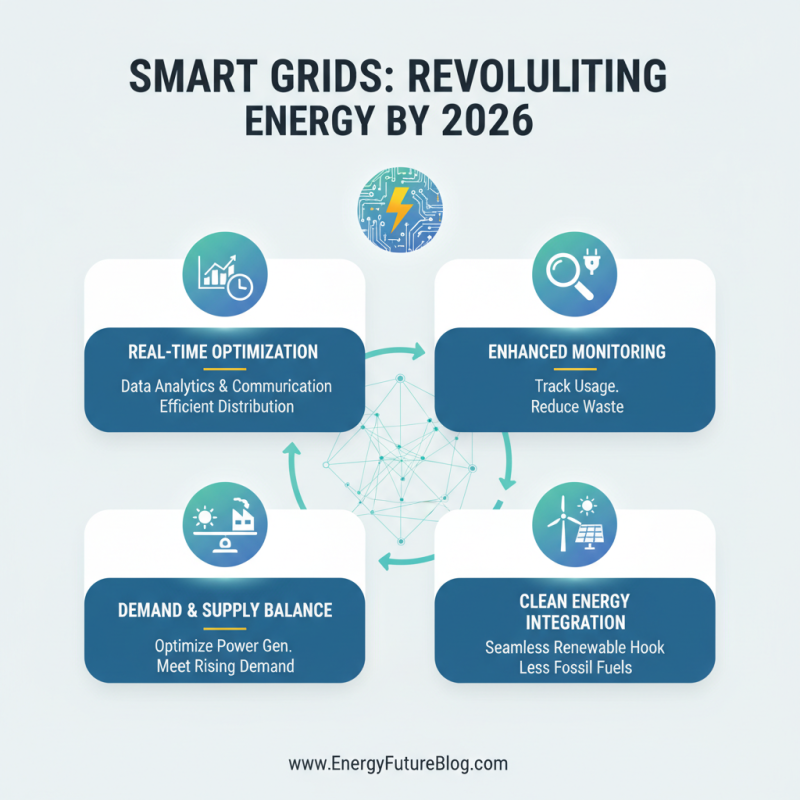
In 2026, we can expect to see significant advancements in energy technologies. Innovations in energy storage and smart grid systems will shape the industry. Although these developments offer promise, they also raise questions about infrastructure and investment. Energy engineers must address these complexities.
Emerging trends highlight the importance of collaboration among stakeholders. Data from the U.S. Department of Energy indicates that investments in energy efficiency can yield substantial savings. Yet, not all sectors have embraced this shift. As we explore these trends, we must reflect on the barriers that persist in adopting new technologies in energy engineering.
Emerging Renewable Energy Sources: Innovations for 2026
As we look towards 2026, renewable energy sources are rapidly evolving. Innovations in solar power are not just about capturing sunlight anymore. Integrated solar skins are blending seamlessly with roofs, enhancing aesthetics while generating energy. This technology is more than a trend; it redefines how we think about home energy solutions.
Wind energy is also seeing breakthroughs. Vertical axis wind turbines are gaining traction, especially in urban environments. They are compact, quieter, and more efficient in producing energy at lower wind speeds. However, issues regarding installation and space remain vital to consider. These turbines could revolutionize urban energy but need careful planning.
Hydrogen fuel cells are emerging as a vital player. They offer a clean alternative for transportation and heavy industry. However, hydrogen production still faces challenges. The environmental impact of current production methods needs scrutiny. As these technologies progress, we must reflect on balancing innovation with sustainability and ethical practices. The future of energy relies on smart decisions today.
Advancements in Energy Storage Technologies: A 2026 Perspective
Advancements in energy storage are crucial for the future of energy engineering. According to a recent report from the International Energy Agency (IEA), global energy storage capacity could exceed 500 GWh by 2026. This remarkable growth is driven by the exponential rise in renewable energy sources. Yet, challenges remain. Developing efficient, cost-effective storage solutions is not easy.
Battery technology will lead the way in 2026. Solid-state batteries promise increased energy density. Reports suggest they could achieve up to 300 Wh/kg. However, production scalability is still a hurdle that requires innovative approaches. Additionally, recycling old batteries poses environmental concerns. The industry must prioritize sustainability in this area.
Beyond batteries, pumped hydro storage plays a significant role. This method may account for around 90% of global energy storage by 2026. Yet, the construction of new facilities is complex. Sites must be strategically chosen, considering environmental impact. Furthermore, regulatory approvals can be slow and cumbersome, often hindering progress. The future of energy storage remains bright, but obstacles must be addressed.
Top Energy Engineering Trends for 2026 - Advancements in Energy Storage Technologies
| Trend |
Description |
Impact |
Projected Growth (%) |
Key Technologies |
| Solid-State Batteries |
Transition to safer, more efficient battery technology. |
Enhanced energy density and safety for applications. |
25% |
Lithium-Silicon, Sodium-Ion |
| Grid Energy Storage |
Development of large-scale storage systems for renewable energy. |
Stabilizes grid supply and facilitates renewable integration. |
30% |
Pumped Hydro, Flywheels |
| Hydrogen Storage |
Storage solutions for hydrogen as a clean energy carrier. |
Supports energy transition and reduces carbon emissions. |
20% |
Metal Hydrides, Compressed Hydrogen |
| Thermal Energy Storage |
Techniques to store thermal energy for later use. |
Improves efficiency of heating and cooling systems. |
15% |
Molten Salt, Ice Storage |
| Decentralized Energy Storage |
Small-scale storage solutions for residential and commercial use. |
Empowers consumers to manage their energy needs. |
35% |
Home Batteries, Community Storage Systems |
Sustainable Building Practices and Energy Efficiency Trends for 2026
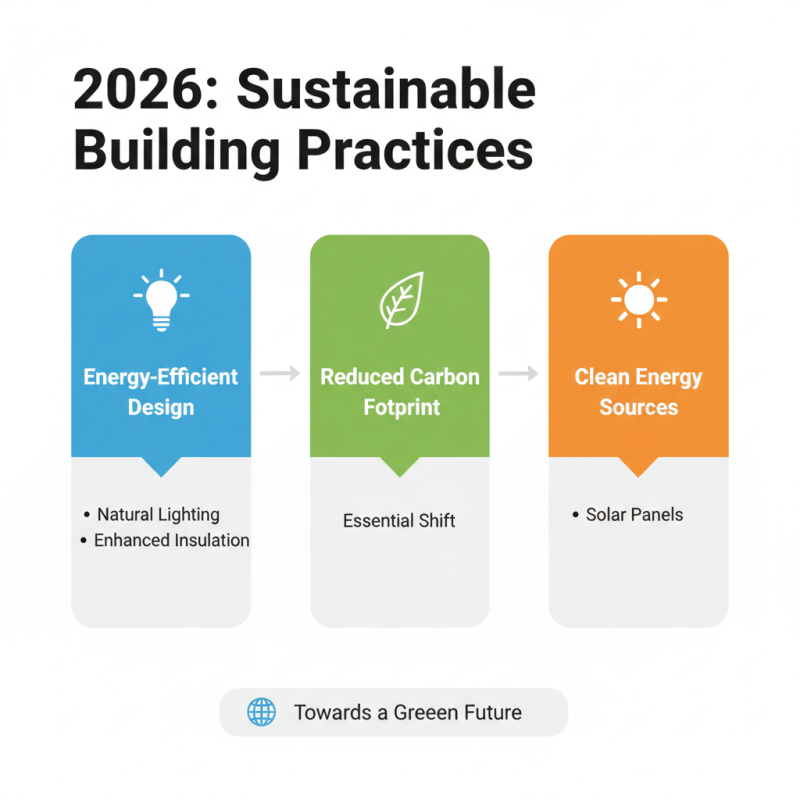
As we approach 2026, sustainable building practices are becoming more crucial. Developers are turning to energy-efficient designs. This shift is essential for reducing carbon footprints. Techniques include using natural lighting and enhancing insulation. Solar panels are also gaining popularity, providing clean energy.
Tips: Consider using smart thermostats. They can optimize energy usage and reduce costs. Install energy-efficient windows to improve insulation. Properly chosen materials can significantly lower heating and cooling needs.
Moreover, embracing modern technology is vital. Building information modeling (BIM) is transforming how projects are planned. It enhances collaboration and reduces waste. However, many still struggle with implementation. Education and training are necessary to align teams with these innovations. Frequent adjustments may be needed to fully integrate these practices. Adopting new trends can be challenging, but the benefits are clear.
Impact of Policy Changes on Energy Engineering Innovations in 2026
The energy engineering landscape will experience significant shifts by 2026, largely inspired by evolving policy frameworks. Governments worldwide are reconsidering their stances on renewable energy. This shift will drive innovations in energy storage solutions and grid management techniques. Policies promoting sustainability will encourage companies to invest heavily in R&D. But what challenges persist?
Barriers to implementation remain, such as regulatory hurdles and public acceptance. Projects that once seemed feasible may encounter pushback due to local opposition. Moreover, funding for innovative energy solutions often lacks consistency. Policymakers must address these issues while pushing for clean technologies. Without a cohesive approach, we risk stalling progress.
On the upside, increased collaboration among stakeholders can foster significant advancements. Partnership between governments and private entities will pave the way for cutting-edge developments. However, this partnership is still untested. The commitment to transparency and communication is crucial. A solid policy framework can indeed spark profound changes, but the path forward is complex and requires careful navigation.
Top Energy Engineering Trends for 2026