The urgency for innovative energy solutions has never been more critical as the world grapples with the challenges of climate change and rising energy demands. According to the International Energy Agency (IEA), global energy consumption is expected to increase by 30% by 2040, which necessitates a shift towards more sustainable practices. This alarming trend underscores the need for effective energy solutions that not only meet the growing needs of the population but also align with environmental sustainability goals.
In response to this challenge, a diverse range of energy solutions has emerged, aimed at reducing our carbon footprint and transitioning to cleaner alternatives. The World Economic Forum reports that investments in renewable energy sources such as wind and solar have seen exceptional growth, projected to reach $1 trillion annually by 2025. These advancements highlight the importance of adopting a multifaceted approach to energy production and consumption, incorporating technology, policy, and societal engagement. As we explore the top ten energy solutions for a sustainable future, it becomes clear that collaboration and innovation are vital in paving the way towards a more balanced energy ecosystem.
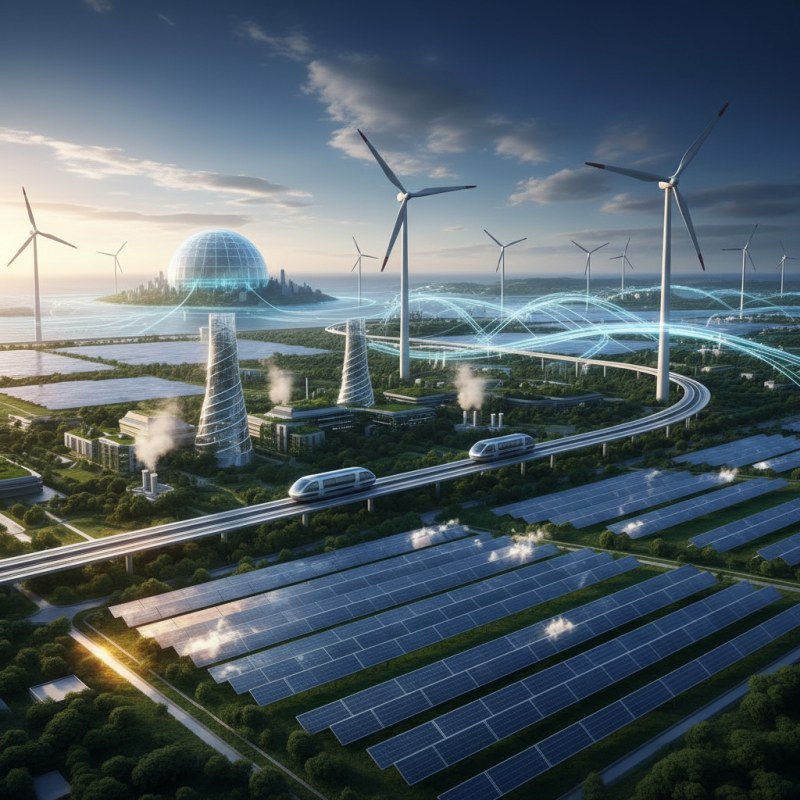
The world is currently facing significant energy challenges that threaten both economic stability and environmental sustainability. According to the International Energy Agency (IEA), global energy demand is projected to rise by nearly 30% by 2040, primarily driven by developing economies. Consequently, this increase places immense pressure on existing energy systems, which are predominantly reliant on fossil fuels. This reliance not only contributes to greenhouse gas emissions but also undermines global sustainability goals aimed at limiting temperature rise to well below 2 degrees Celsius, as outlined in the Paris Agreement.
To address these challenges, a transition to sustainable energy solutions is imperative. The World Resources Institute (WRI) emphasizes that achieving net-zero emissions by 2050 will require a substantial shift towards renewable energy sources. An investment shift to renewables could create 24 million new jobs and prevent over 3 million deaths annually due to air pollution, according to the International Renewable Energy Agency (IRENA). Innovations in solar, wind, and energy storage technologies provide viable pathways to decarbonize energy systems while enhancing energy security and resilience. These solutions not only align with sustainability goals but also pave the way for a cleaner, more sustainable future, promoting economic growth while safeguarding the environment.
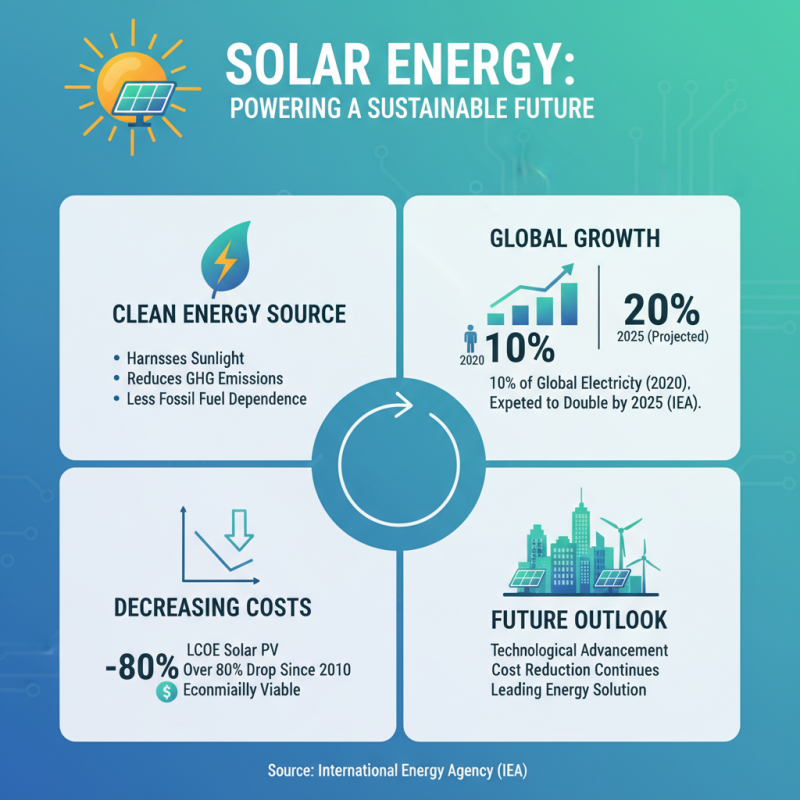
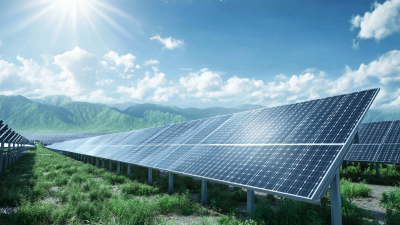
Solar energy has emerged as a leading solution in the quest for a sustainable future. As a renewable energy source, solar power harnesses sunlight to generate electricity, significantly reducing greenhouse gas emissions and dependence on fossil fuels. According to the International Energy Agency (IEA), solar energy accounted for approximately 10% of global electricity generation in 2020, a figure expected to double by 2025 as technologies continue to advance and costs decline. The levelized cost of electricity (LCOE) from solar photovoltaics (PV) has decreased by over 80% since 2010, making it one of the most economically viable energy sources available.
To maximize the benefits of solar energy, consider these tips: First, assess your site's sunlight exposure; areas with unobstructed sunlight yield the best results for solar panel installation. Second, invest in high-quality solar panels and inverters to ensure longevity and higher efficiency. Third, consider battery storage to store excess energy produced during the day for use at night, thus enhancing your energy independence.
The transition to solar energy not only offers ecological advantages but also presents substantial economic opportunities. A report from the Solar Foundation indicates that the U.S. solar industry employed over 250,000 workers in 2019, with the potential for millions more jobs as technology scales up. Embracing solar energy can significantly contribute to a more sustainable, green future while stimulating economic growth and job creation in local communities.
Wind energy has emerged as a leading solution in the pursuit of sustainable energy sources. By harnessing the natural power of wind, we can significantly reduce our reliance on fossil fuels. According to the Global Wind Energy Council, the world installed over 93 gigawatts (GW) of new wind power capacity in 2020 alone, bringing the total capacity to approximately 743 GW. This impressive growth is driven by advancements in turbine technologies, which have increased the efficiency and output of wind farms, allowing for the generation of clean electricity even in areas with lower wind speeds.
In addition to technological improvements, the economic viability of wind energy has also strengthened. A report from the International Renewable Energy Agency indicates that the cost of onshore wind energy has fallen by 49% since 2010, making it one of the most affordable sources of new electricity globally. Wind energy not only mitigates carbon emissions, contributing to climate change mitigation, but it also has the potential to create over 3.3 million jobs worldwide by 2030, according to the International Labor Organization. This positions wind energy as not only a key player in achieving energy sustainability but also as a significant contributor to a thriving economy.
Energy storage is a crucial component in achieving sustainable energy solutions as we shift towards a low-carbon future. Recent industry reports indicate that the global energy storage market is expected to grow at a compound annual growth rate (CAGR) of around 24% from 2022 to 2030, driven by the increasing demand for renewable energy sources such as solar and wind. Innovations in battery technologies, particularly lithium-ion and flow batteries, are paving the way for enhanced energy storage capabilities. These advancements are essential for addressing the intermittency of renewable energy, ensuring a reliable energy supply, and optimizing grid performance.
As we embrace these innovations, it's important to consider practical tips for implementing energy storage solutions. First, consider battery management systems (BMS) that enhance the lifecycle of your storage systems while maximizing energy efficiency. Regular maintenance and monitoring can prevent unexpected failures and improve overall performance. Additionally, exploring community energy storage projects can provide shared benefits, allowing multiple users to tap into stored energy more efficiently.
Furthermore, integrating smart technologies in energy storage can facilitate real-time data monitoring and management. This allows for better forecasting of energy needs and smart grid integration. Research from the International Energy Agency (IEA) emphasizes that optimizing energy storage not only supports renewable integration but also contributes to energy security and economic resilience. By focusing on these innovative strategies, we can significantly enhance the sustainability and reliability of our energy systems.
| Energy Solution | Description | Benefits | Current Innovations |
|---|---|---|---|
| Solar Energy | Harnessing energy from the sun using solar panels. | Renewable, reduces electricity bills, low maintenance. | Bifacial solar panels, solar tracking technology. |
| Wind Energy | Using wind turbines to generate electricity from wind. | Clean, efficient, scalable. | Vertical axis wind turbines, floating wind farms. |
| Hydropower | Generating electricity through the movement of water. | Reliable, efficient, capable of large-scale energy production. | Small modular hydropower systems, pump storage advancements. |
| Energy Storage | Storing energy for later use, balancing supply and demand. | Enhances grid stability, supports renewable integration. | Lithium-ion batteries, solid-state batteries, pumped hydro storage. |
| Geothermal Energy | Utilizing heat from within the Earth for power generation. | Sustainable, reliable base load power, low emissions. | Enhanced geothermal systems, binary cycle plants. |
| Biomass Energy | Using organic materials to produce energy. | Reduces waste, renewable, carbon-neutral. | Advanced biogas technologies, biofuels innovation. |
| Tidal Energy | Generating energy from ocean tides and waves. | Predictable energy source, low environmental impact. | Tidal stream generators, kinetic energy devices. |
| Hydrogen Fuel Cells | Converting hydrogen into electricity through a chemical reaction. | Zero emissions, high efficiency, versatile applications. | Solid oxide fuel cells, proton exchange membrane cells. |
| Nuclear Energy | Generating power through nuclear fission reactions. | Low greenhouse gas emissions, high energy output. | Small modular reactors, advanced reactor technologies. |
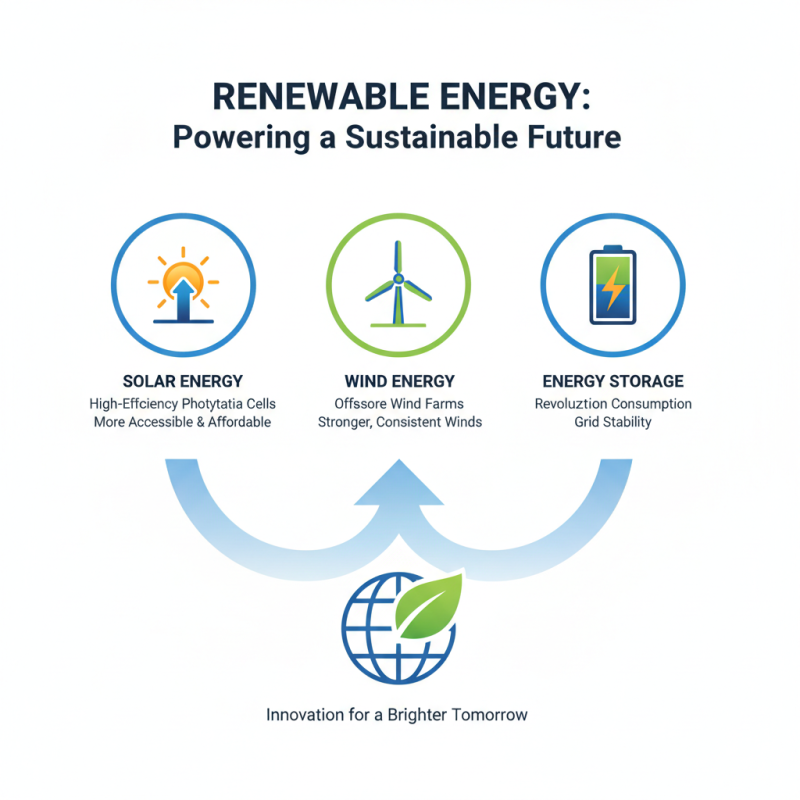
As the world grapples with climate change, emerging technologies in renewable energy present significant opportunities for a sustainable future. Innovations in solar, wind, and energy storage systems are revolutionizing how we generate and consume energy. For example, advancements in photovoltaic cells are leading to higher efficiency rates, making solar energy more accessible and affordable for homes and businesses alike. Similarly, offshore wind farms are harnessing the power of stronger and more consistent winds, significantly increasing energy output.
Tips: When considering renewable energy solutions for your home, evaluate your location's resource availability. For instance, areas with abundant sunlight will benefit more from solar panels, while those with high wind patterns should explore wind turbines. Additionally, integrating energy storage solutions can help maximize the use of generated energy, minimizing reliance on the grid during peak hours.
Furthermore, smart grid technology is gaining traction, allowing for more efficient energy distribution and consumption. These systems enable real-time monitoring of energy use and generation, facilitating the integration of diverse energy sources. By adopting such technologies, communities can significantly reduce their carbon footprint and enhance energy resilience.
Tips: Stay informed about local incentives and programs that support renewable energy adoption. Frequently, municipalities offer tax credits, rebates, or grants to encourage homeowners and businesses to switch to cleaner energy sources. Engaging with local energy initiatives can also provide opportunities for networking and learning about best practices in sustainable energy use.