Top 10 Energy Storage Solutions in China for Global Buyers?
China has emerged as a leader in energy storage solutions, driving innovation and investment in this vital sector. According to recent reports, the global energy storage market is projected to exceed $600 billion by 2027, with China accounting for a significant share. The country produced around 80% of the world’s lithium-ion batteries in 2022, indicating its dominant position in energy storage technology.
As the demand for renewable energy grows, energy storage systems become crucial for grid stability and energy management. The integration of renewable sources, such as solar and wind, relies heavily on effective storage solutions. Notably, China’s energy storage capacity increased to over 60 GWh in 2023, showcasing its rapid development in this field. However, challenges remain. Issues such as system efficiency, cost, and recycling need thoughtful consideration.
Global buyers are keen to explore China’s top energy storage solutions. However, it’s vital to understand the local market landscape. Without careful analysis, buyers may overlook essential product nuances. Therefore, exploring the ten leading energy storage solutions in China provides valuable insights and opportunities for international stakeholders.
Overview of Energy Storage Solutions in China
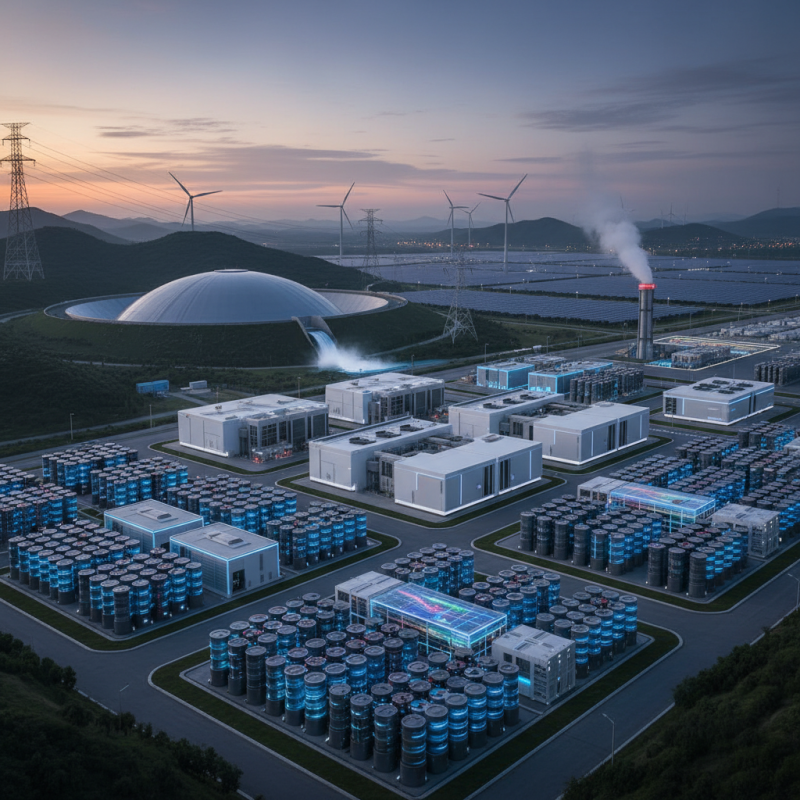
China has emerged as a leader in energy storage solutions, driven by its rapid industrial growth and commitment to renewable energy. The country offers diverse technologies in energy storage, which can meet various demands. From lithium-ion batteries to flow batteries, each type has unique advantages and applications. Lithium-ion systems are widely used for their efficiency and scalability. However, they face challenges such as recycling and resource depletion.
Flow batteries, on the other hand, provide longer cycle life and easier scalability. They are still evolving but show promise for large-scale applications. Emerging technologies, like solid-state batteries, also garner attention. These newer solutions may address safety concerns and enhance performance. However, challenges remain in cost and commercial viability.
Investors looking at China’s energy storage market should consider the diverse technology landscape. While there are many promising solutions, balancing efficiency with sustainability is critical. Understanding the technological pros and cons is essential for making informed decisions. The market is dynamic and constantly changing, reflecting the ongoing innovations in energy storage.
Top 10 Energy Storage Solutions in China for Global Buyers
| No. |
Technology Type |
Capacity (MW) |
Efficiency (%) |
Use Case |
Region |
| 1 |
Lithium-ion Batteries |
500 |
90 |
Renewable Integration |
East China |
| 2 |
Flow Batteries |
300 |
80 |
Grid Support |
South China |
| 3 |
Lead-acid Batteries |
200 |
70 |
Backup Power |
North China |
| 4 |
Supercapacitors |
150 |
95 |
Frequency Regulation |
Central China |
| 5 |
Sodium-Sulfur Batteries |
400 |
85 |
Renewable Integration |
West China |
| 6 |
Compressed Air Energy Storage |
600 |
78 |
Seasonal Storage |
Northwest China |
| 7 |
Flywheel Energy Storage |
100 |
90 |
Short-term Storage |
East China |
| 8 |
Thermal Energy Storage |
300 |
75 |
District Heating |
South China |
| 9 |
Hydrogen Storage |
250 |
82 |
Energy Transition |
North China |
| 10 |
Pumped Hydro Storage |
1000 |
85 |
Large-scale Grid Storage |
Various Regions |
Key Technologies Driving Energy Storage Innovations
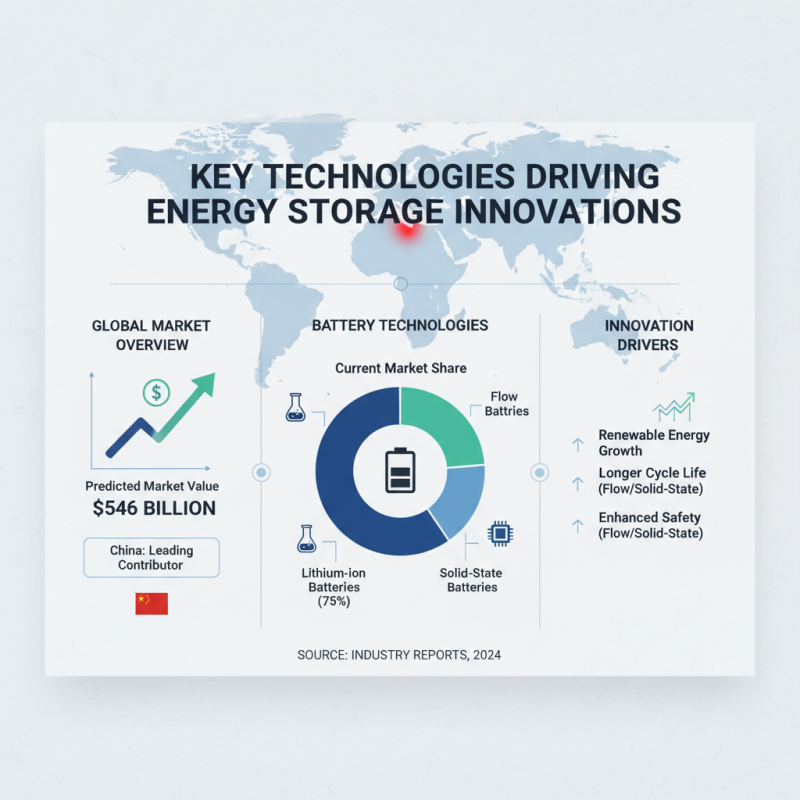
China is leading the way in energy storage innovations, primarily driven by advancements in battery technologies. Lithium-ion batteries dominate this market, comprising over 75% of the total energy storage capacity. However, the rapid growth of renewable energy sources has spurred the exploration of alternative technologies. For instance, flow batteries and solid-state batteries are gaining traction due to their longer cycle life and enhanced safety features. According to recent industry reports, the global energy storage market may reach $546 billion by 2035, with China poised as a significant contributor.
Moreover, advancements in energy management software are enhancing the efficiency of storage systems. These technologies optimize battery usage, reducing operational costs for consumers and businesses. In 2022, the demand for energy storage systems in China increased by 35%, highlighting the country's commitment to a sustainable energy future. However, challenges remain. The recycling of batteries and the sourcing of raw materials, such as lithium and cobalt, require attention. The sustainability of the energy storage sector depends on solutions to these challenges to ensure a circular economy.
Top Companies Leading the Energy Storage Market in China
China is becoming a powerhouse in energy storage solutions. Various companies are leading this market with advanced technologies. They focus on lithium-ion batteries, flow batteries, and other innovative storage methods. This diverse approach meets different demands, from residential solar systems to large-scale energy projects.
When looking for reliable energy storage solutions, research the companies' track records. Check their expertise and past projects. This can give you confidence in their products. Consider the lifecycle of the solutions being offered. Longevity and reliability are essential as they impact overall investment.
Each company presents unique strengths. However, not every solution is perfect. It's crucial to assess the needs of your specific project. Some products may initially seem impressive but can reveal shortcomings over time. Make sure to weigh all options and take the time to understand the technology behind each storage solution.
Applications of Energy Storage in Various Industries
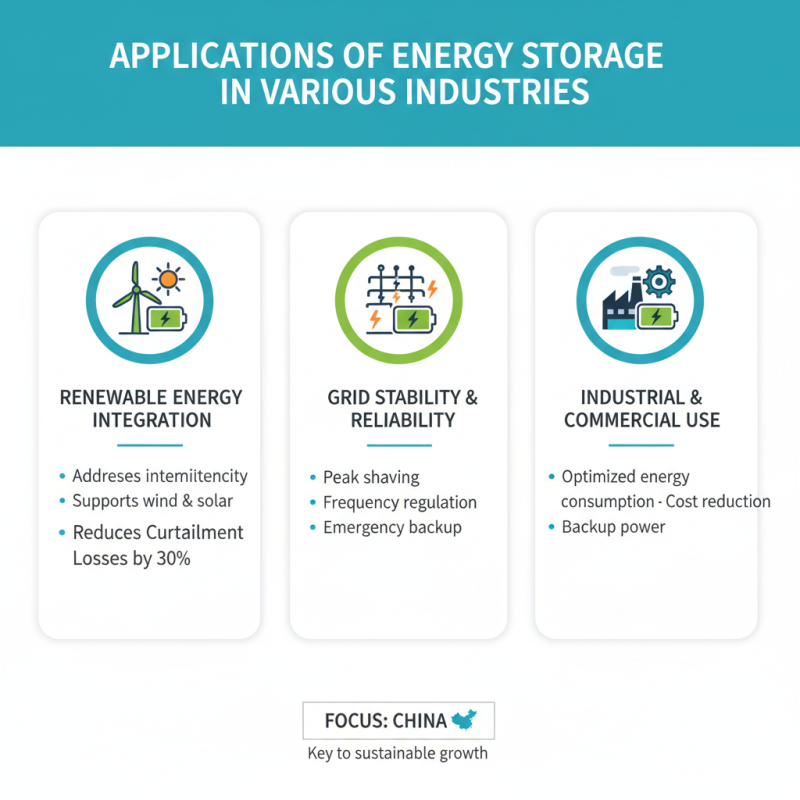
Energy storage solutions play a critical role across various industries in China. The renewable energy sector is particularly dependent on effective storage. Reports indicate that energy storage can reduce curtailment losses by up to 30%. This presents a significant advantage as more wind and solar energy sources come online.
In the transportation sector, energy storage systems are crucial for electric vehicles (EVs). The market for EVs in China has surged, with a projected growth rate of 35% annually. As demand rises, innovative storage solutions must evolve to meet power requirements and enhance efficiency. Additionally, energy storage enhances grid stability, preventing fluctuations that could disrupt services.
Manufacturing industries also leverage energy storage to optimize operations. By storing energy during off-peak hours, companies can save on costs and ensure a steady power supply during high-demand periods. Reports indicate that effective energy management can yield savings of 20% or more. However, challenges still exist. Sizing storage solutions appropriately remains a complex issue for many industries, requiring ongoing assessment and adaptation.
Future Trends and Developments in China's Energy Storage Sector
China's energy storage sector is rapidly evolving. By 2025, energy storage capacity is expected to surpass 30 gigawatts. This growth reflects China's commitment to renewable energy. As the country invests heavily in solar and wind resources, energy storage plays a crucial role in balancing supply and demand.
Recent reports suggest a shift towards advanced battery technologies. Lithium-ion batteries currently dominate, but alternative solutions are emerging. For instance, flow batteries may offer longer life cycles and better scalability. However, challenges remain in cost and efficiency. Improving production processes and components can make these technologies more viable.
**Tips:** Keep an eye on regulatory changes. These can impact market dynamics significantly. Collaboration across industries is essential to innovate. Engaging with local experts can provide deeper insights into the evolving landscape.
While the future looks bright for energy storage, uncertainties exist. Market competition is fierce. Companies must adapt to stay relevant. Investing in research is vital for sustained growth. Remaining flexible in strategy will help address unexpected market shifts.