Top 10 Energy Storage Solutions for Sustainable Power Management
As the world transitions toward a more sustainable future, energy storage solutions have emerged as a crucial element in power management. The increasing integration of renewable energy sources, such as solar and wind, necessitates robust energy storage systems to effectively manage supply and demand fluctuations. According to the International Energy Agency (IEA), global investment in energy storage is estimated to exceed $320 billion by 2040, driven by the growing need for grid stability and energy resilience.
Energy storage technologies not only enhance the efficiency of renewable energy integration but also play a significant role in reducing greenhouse gas emissions. Reports indicate that implementing advanced energy storage systems can contribute to a potential reduction of up to 70% in emissions associated with traditional power generation. This transition towards innovative solutions is vital as countries aim to achieve their carbon neutrality goals while ensuring reliable and accessible energy for all. In this landscape, identifying the top energy storage solutions is essential for stakeholders to navigate the complexities of sustainable power management effectively.
Overview of Energy Storage Solutions in Sustainable Power Management
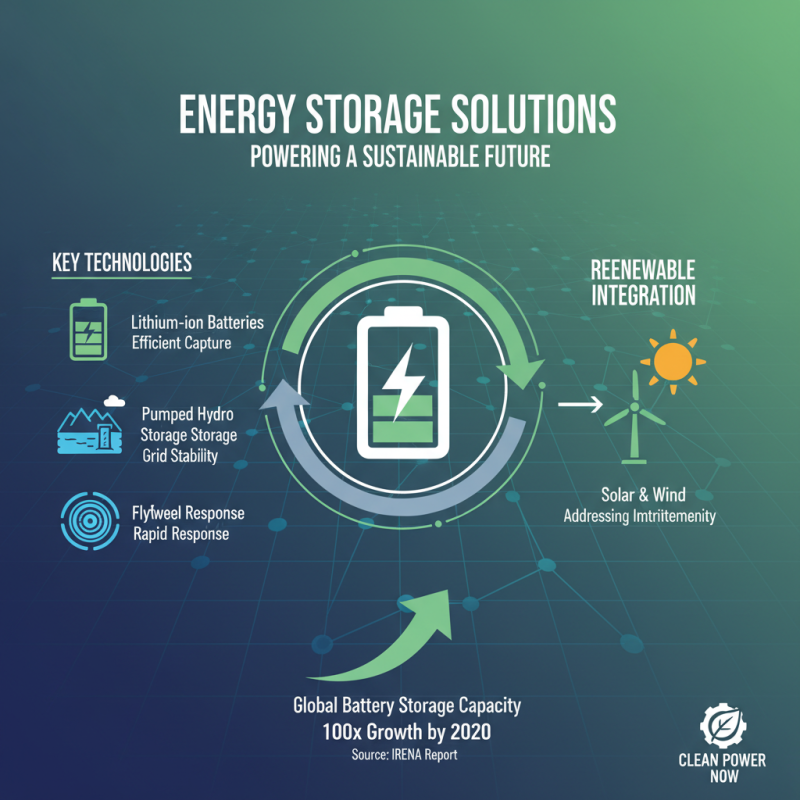
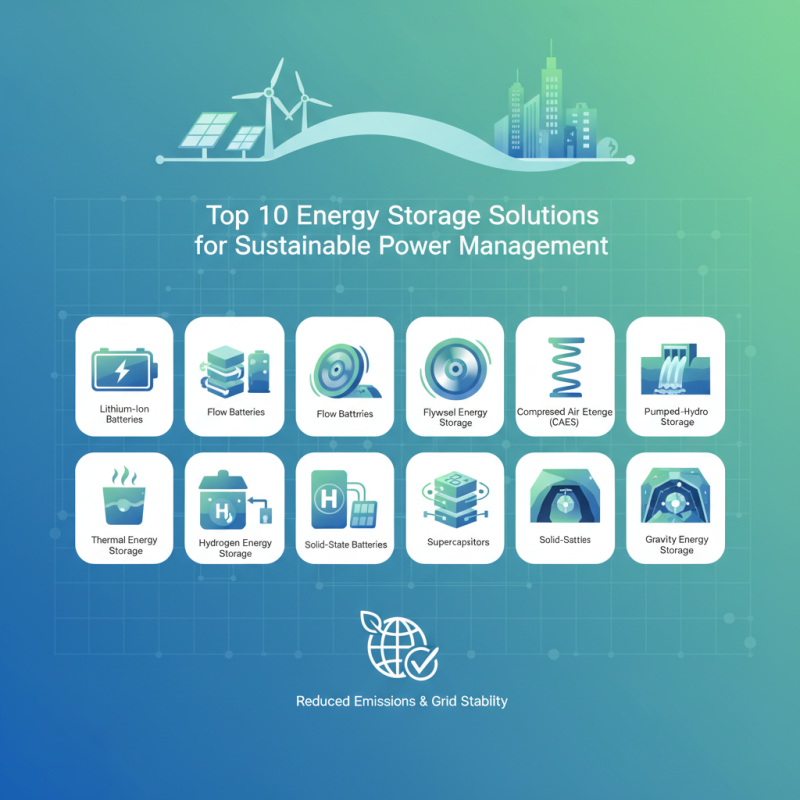
Energy storage solutions play a pivotal role in advancing sustainable power management by addressing the intermittency of renewable energy sources. Technologies like lithium-ion batteries, pumped hydro storage, and flywheel energy storage are at the forefront, enabling the efficient capture and utilization of energy generated from solar and wind resources. According to a report by the International Renewable Energy Agency (IRENA), global installed battery storage capacity is expected to grow by 100-fold by 2030, demonstrating the increasing reliance on these technologies for grid stability and energy resilience.
Moreover, emerging solutions such as hydrogen storage and thermal energy storage are garnering attention for their potential to provide long-duration energy storage, which is essential for balancing supply and demand over extended periods. The U.S. Department of Energy estimates that thermal energy storage can reduce energy costs by up to 50% for certain applications, making it a feasible choice for large-scale energy management in commercial buildings and industrial applications. As investments in research and development continue, the efficiency and scalability of these storage solutions will be crucial for a future powered by renewable energy, ultimately supporting a low-carbon economy.
Types of Energy Storage Technologies: An In-Depth Comparison
Energy storage technologies have become increasingly vital in the quest for sustainable power management, with various solutions available to meet the diverse needs of energy systems. Among these technologies, lithium-ion batteries are widely recognized for their efficiency and versatility, making them suitable for everything from electric vehicles to grid storage. Their ability to deliver high energy density and rapid charging capabilities positions them as a front-runner in the energy storage arena. Furthermore, advancements in battery management systems contribute to improved lifespan and performance, ensuring that this technology continues to evolve.
In addition to lithium-ion batteries, other energy storage methods are gaining attention for their unique advantages. Flow batteries, for instance, offer the benefit of decoupling energy and power, which allows for scalable designs suitable for large-scale applications. They excel in longer-duration energy storage, making them ideal for balancing supply and demand in renewable energy systems. Meanwhile, mechanical storage solutions, such as pumped hydro and compressed air energy storage, leverage gravitational and thermal energy to store and release power. These technologies have the potential to support grid stability and enhance the use of intermittent renewable sources, demonstrating the rich variety of approaches in the energy storage landscape.
Key Features and Benefits of Leading Energy Storage Solutions
Energy storage solutions are essential for effective power management in a sustainable future. Among the key features that determine their effectiveness are capacity, efficiency, and lifespan. High-capacity storage can accommodate greater energy loads, making it suitable for both residential and commercial applications. Efficient systems maximize energy retention and minimize losses, which fundamentally impacts their overall performance. Longevity is another crucial factor; systems that last longer not only reduce costs associated with replacements but also lessen environmental waste, aligning with sustainability goals.
Additionally, scalability and adaptability stand out as important benefits of leading energy storage solutions. Systems that can easily expand or contract based on demand support a diverse range of applications, from small-scale residential use to large utility projects. Furthermore, many contemporary solutions now incorporate advanced monitoring and management technologies, allowing users to optimize their energy use in real-time. This adaptability ensures that energy storage systems can meet the varying needs of different consumers, reinforcing the role of energy storage as a vital component in the transition toward renewable energy sources.
Top 10 Energy Storage Solutions for Sustainable Power Management
| Energy Storage Solution |
Type |
Capacity (MWh) |
Efficiency (%) |
Lifespan (Years) |
Use Case |
| Lithium-Ion Battery |
Chemical |
1-100 |
90-95 |
5-15 |
Electric Vehicles, Grid Storage |
| Lead-Acid Battery |
Chemical |
0.2-10 |
70-85 |
3-5 |
Backup Power, Off-Grid |
| Flow Battery |
Chemical |
20-1000 |
70-80 |
10-20 |
Renewable Integration, Large-Scale Storage |
| Supercapacitor |
Electrochemical |
0.01-50 |
95 |
15-20 |
Regenerative Braking, Short-Term Storage |
| Hydrogen Storage |
Gas |
1-1000 |
35-60 |
20+ |
Energy Export, Fuel Cell Vehicles |
| Pumped Hydro Storage |
Mechanical |
100-3000 |
70-90 |
30-50 |
Grid Stability, Load Balancing |
| Compressed Air Energy Storage |
Mechanical |
20-500 |
70-90 |
20-40 |
Grid Services, Renewable Integration |
| Thermal Energy Storage |
Thermal |
1-100 |
N/A |
30-40 |
Solar Thermal, Heating Applications |
| Sodium-Ion Battery |
Chemical |
1-50 |
80-90 |
5-10 |
Lower-Cost Applications, Renewable Integration |
| Magnesium-Ion Battery |
Chemical |
1-30 |
75-85 |
10-15 |
Potential for Renewable Applications |
Challenges and Considerations in Energy Storage Implementation
When implementing energy storage solutions, several challenges must be navigated to ensure sustainable power management. One significant consideration is the initial capital investment associated with advanced storage technologies. While the long-term benefits, such as reduced energy costs and improved grid resilience, are clear, the upfront costs can deter many businesses and consumers from adoption. Additionally, supply chain constraints and the availability of raw materials for energy storage systems can lead to potential delays and increased expenses.
Another critical factor is the longevity and environmental impact of the storage technology. As systems are deployed over time, their performance can degrade, requiring careful planning for maintenance and eventual replacement. The lifecycle assessment of these technologies must include considerations for recyclability and the overall carbon footprint of manufacturing and disposing of energy storage systems.
Tips: To mitigate capital costs, consider phased implementation of energy storage, beginning with smaller systems to gauge effectiveness before scaling up. Additionally, collaborate with local stakeholders and energy experts to explore incentives and support programs that can offset initial investments. Finally, conducting thorough research on potential technologies can help select solutions that balance performance with sustainability, ensuring long-term viability.
Future Trends and Innovations in Energy Storage for Sustainability
As the world shifts towards more sustainable energy systems, innovations in energy storage technology are crucial for effective power management. Future trends emphasize the development of advanced battery systems that extend beyond traditional lithium-ion solutions. For example, solid-state batteries are gaining attention due to their higher energy densities and improved safety features. These batteries promise to revolutionize how energy is stored and utilized, making them ideal for electric vehicles and renewable energy applications.
Another significant trend is the integration of artificial intelligence (AI) in energy storage systems. By harnessing AI, energy storage can become more efficient and responsive to real-time demand. Smart algorithms will enable predictive maintenance and optimal charging cycles, thereby maximizing the lifespan and performance of energy storage units. Additionally, research into organic batteries, which aim to replace rare materials with more sustainable components, highlights the growing priority on developing eco-friendly solutions.
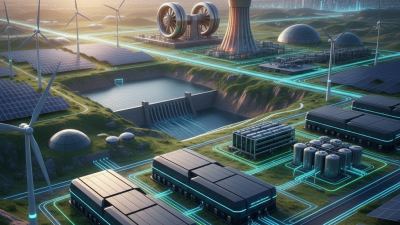
Furthermore, innovations in grid-scale energy storage, such as pumped hydro and compressed air storage, will play a pivotal role in balancing supply and demand as renewable sources gain prominence. These technologies are not only capable of storing significant amounts of energy but also support grid stability and reliability. The future landscape of energy storage is set to be defined by these technologies, driving a deeper commitment to sustainable practices across various sectors.