Top 10 Forklift Collision Detection Systems for Safety?
In warehouse operations, safety remains a top priority. Forklift-related accidents account for a significant portion of workplace injuries. According to the Occupational Safety and Health Administration (OSHA), approximately 34,900 forklift accidents occur annually in the United States. Many of these incidents could be prevented with an effective Forklift Collision Detection System.
These systems use advanced technology to minimize collisions. They often incorporate sensors and alerts to enhance operator awareness. However, not all systems are created equal. Some lack integration with existing equipment, causing frustration. This reveals an opportunity for improvement. A well-functioning Forklift Collision Detection System should seamlessly adapt to the unique dynamics of each facility.
Despite advancements, some organizations hesitate to implement these systems. The cost can be viewed as a barrier. Yet, the potential savings from reduced accidents can outweigh the initial investment. A culture of safety is paramount, but it requires commitment and reflection on current practices. By prioritizing effective collision detection, businesses can protect both employees and assets better.
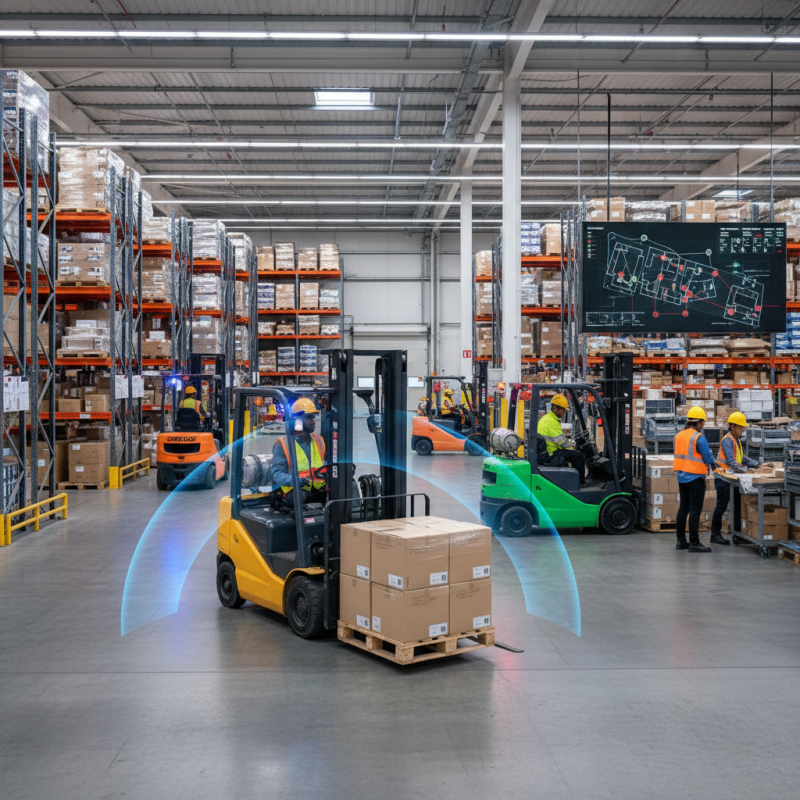
Overview of Forklift Collision Detection Systems
Forklift collision detection systems are vital for enhancing safety in warehouse environments. Recent industry reports indicate that up to 25% of workplace accidents involve forklifts. This high incidence shows the pressing need for effective safety measures. Detection systems can reduce incidents by up to 40% when properly implemented. These systems utilize advanced technology to detect obstacles in a forklift's path.
Many detection systems rely on a combination of sensors and alarms. Ultrasonic sensors can sense distances and detect nearby objects. Cameras provide visual feedback, while radar systems can identify moving obstacles. The integration of these technologies creates a multi-layered safety approach. However, not all systems are foolproof. False positives can lead to drivers ignoring alarms. This can result in complacency and increased risk.
Training is also crucial. Workers must understand how to interact with these systems. A lack of proper training can lead to misuse. Data suggests that investing in comprehensive training can improve the effectiveness of detection systems by nearly 30%. The technology is beneficial, but the human factor remains a critical component in ensuring safety. Regular maintenance of the systems and consistent refresher courses for staff can help address these gaps.
Importance of Safety in Forklift Operations
Forklift operations play a crucial role in many industries. Ensuring safety in these operations is not just important—it’s essential. With forklifts moving heavy loads in busy environments, the potential for collisions is high. These incidents can lead to injuries, equipment damage, and costly downtime. It’s vital for businesses to prioritize safety measures.
Implementing collision detection systems can significantly reduce risks. These systems help operators be more aware of their surroundings. They alert drivers to potential hazards. This technology can be the difference between a safe workplace and a dangerous one. However, not all systems are foolproof. Issues may arise with sensor malfunctions or installation errors. Regular inspections and updates are necessary to keep systems functioning effectively.
Training employees is another critical aspect. Proper training ensures that operators understand how to use equipment safely. Yet, even with training, human error can occur. Continuous evaluation of workplace practices is key. Mistakes can help identify areas for improvement. A culture of safety needs to be cultivated. Everyone must play a part in maintaining a secure environment.
Key Features of Effective Collision Detection Systems
When it comes to forklift safety, collision detection systems play a vital role. Effective systems reduce accidents significantly. Studies indicate that 60% of workplace injuries involve forklifts. Thus, implementing the right features is essential for maintaining a safe operation.
Key features include real-time monitoring and alert systems. These features help operators avoid collisions with pedestrians and other obstacles. A strong collision detection system utilizes sensors to detect nearby objects. The system should alert the operator promptly, ensuring they can take action in time. This immediate feedback is crucial. Moreover, integration with existing safety protocols enhances effectiveness.
Tips for selecting a system include evaluating sensor coverage and accuracy. Systems should cover blind spots adequately. Workshop environments are often cluttered. A reliable system should work effectively in such conditions. Regular updates and maintenance are essential for continued performance.
Not all systems are foolproof, which is crucial to remember. Employees may become complacent, relying too much on technology. Training and awareness programs remain necessary to complement the detection systems. Such programs reinforce vigilance among operators, promoting a culture of safety.
Top 10 Forklift Collision Detection Systems Features
Top 10 Recommended Forklift Collision Detection Systems
Forklift collision detection systems play a crucial role in enhancing warehouse safety. These systems help prevent accidents by detecting potential collisions between forklifts and obstacles. As the industry continues to evolve, choosing the right system is essential. There are several advanced options available in the market today.
When selecting a system, consider features like range, reliability, and response time. A good detection system should alert operators in real-time. This prompt response can significantly reduce the risk of accidents. Some systems integrate with existing safety equipment, making them more efficient. Remember, investing in technology can save lives.
Tips: Regular maintenance is vital for these systems to function properly. Ensure sensors are clean and free from debris. Additionally, train personnel on using the detection systems effectively. A lack of training can lead to misuse and increased dangers in the workplace. Encourage feedback from operators to identify any shortcomings. Continuous improvement is key to maintaining a safe working environment.
Future Trends in Forklift Safety Technology
The evolution of forklift safety technology is more crucial than ever. Recent statistics show that around 20,000 injuries occur yearly due to forklift accidents in the U.S. alone. This highlights a pressing need for improved safety measures. Comprehensive collision detection systems can significantly reduce these incidents. Advanced sensors and cameras play a vital role here. They help in identifying nearby obstacles and pedestrians.
Emerging trends indicate that artificial intelligence is set to revolutionize forklift safety. AI-driven systems can analyze real-time data, leading to smarter decision-making, preventing potential collisions. According to a recent industry report, predictive analytics can decrease accident rates by over 30%. However, the implementation of such technologies is still inconsistent across industries.
There is also a growing concern about reliance on technology. While automated detection systems enhance safety, they require regular maintenance and updates. Neglecting this can lead to failures. Forklift operators must stay trained in traditional safety protocols. Balancing technology with human oversight is essential for a safer workplace.