Top 5 Innovative Power Generation Technologies Transforming Energy Sector
As the global demand for clean and sustainable energy solutions intensifies, the power generation sector is witnessing a seismic shift. Innovative technologies are emerging as pivotal drivers of change, offering greater efficiency and reduced environmental impact. In this context, the landscape of power generation is rapidly evolving, propelled by advancements in renewable energy resources, smart grid solutions, and energy storage systems. These transformative innovations are not only reshaping the way electricity is produced but are also redefining the energy market as a whole.
This article delves into the top five groundbreaking technologies that are revolutionizing power generation. From harnessing the power of the sun through advanced photovoltaic systems to leveraging the Earth's heat with geothermal energy, each technological advancement presents a unique approach to tackling the challenges of energy production. As we explore these innovations, we will gain insights into how they contribute to a more sustainable and resilient energy future by enhancing reliability and promoting the integration of diverse energy sources. Through this exploration, we aim to highlight the significance of these innovations in driving the transition towards a cleaner and more efficient power generation landscape.
Revolutionizing Renewable Energy: The Rise of Advanced Photovoltaic Systems
The rise of advanced photovoltaic systems is revolutionizing the renewable energy landscape, signifying a crucial shift towards sustainable power generation. Recent reports from the International Energy Agency (IEA) indicate that global solar power capacity reached approximately 1,000 GW by the end of 2021, and it’s projected to surpass 1,600 GW by 2025, driven largely by innovations in photovoltaic technology. These developments have led to significant improvements in efficiency, with cutting-edge bifacial solar panels achieving efficiencies of over 22%, compared to traditional models that typically peak around 18-20%.
Moreover, the integration of smart technology into photovoltaic systems enhances their performance and reliability. According to a report by the National Renewable Energy Laboratory (NREL), smart inverters and energy management systems can optimize energy output, reduce downtime, and enhance overall grid stability. As the energy sector grapples with the pressing need to reduce carbon emissions, the advancements in photovoltaic technology not only contribute to cleaner energy but also bolster economic growth, with the solar industry expected to generate more than 1.3 million jobs by 2030 in the United States alone. This transformation underscores a pivotal moment in energy generation, where advanced photovoltaics are at the forefront of creating a sustainable future.
Top 5 Innovative Power Generation Technologies Transforming Energy Sector
| Technology |
Description |
Efficiency (%) |
Deployment |
Key Features |
| Bifacial Solar Panels |
Solar panels that capture sunlight from both sides, improving energy generation. |
20-30 |
Widely deployed in large solar farms and commercial buildings. |
Increased energy output, versatile installation. |
| Floating Solar Farms |
Solar panels installed on bodies of water, reducing land use. |
15-25 |
Emerging globally, particularly in Asia. |
Reduced evaporation, cooling effect enhances efficiency. |
| Perovskite Solar Cells |
Next-generation solar technology with high efficiency and low production costs. |
20-28 |
Under research and development, with pilot projects ongoing. |
Ease of manufacturing, potential for flexible applications. |
| Solar Skin Technology |
Aesthetic solar panels that blend with roofs for improved consumer acceptance. |
15-20 |
Growing interest in residential sectors. |
Customizable appearance, higher adoption rates. |
| Concentrated Solar Power (CSP) |
Uses mirrors or lenses to concentrate a large area of sunlight, generating heat. |
20-25 |
Established in utility-scale projects, especially in arid regions. |
Energy storage capabilities, high efficiency in sunny environments. |
Harnessing the Power of the Sun: Innovations in Solar Thermal Technology
Innovations in solar thermal technology are reshaping the energy landscape, demonstrating how leveraging the sun's power can meet increasing global energy demands. According to a report by the International Renewable Energy Agency (IRENA), solar thermal systems are projected to provide up to 30% of the world's energy needs by 2050. This significant shift is largely driven by advancements in efficiency and storage capabilities that allow solar thermal plants to deliver reliable power even when sunlight is scarce.
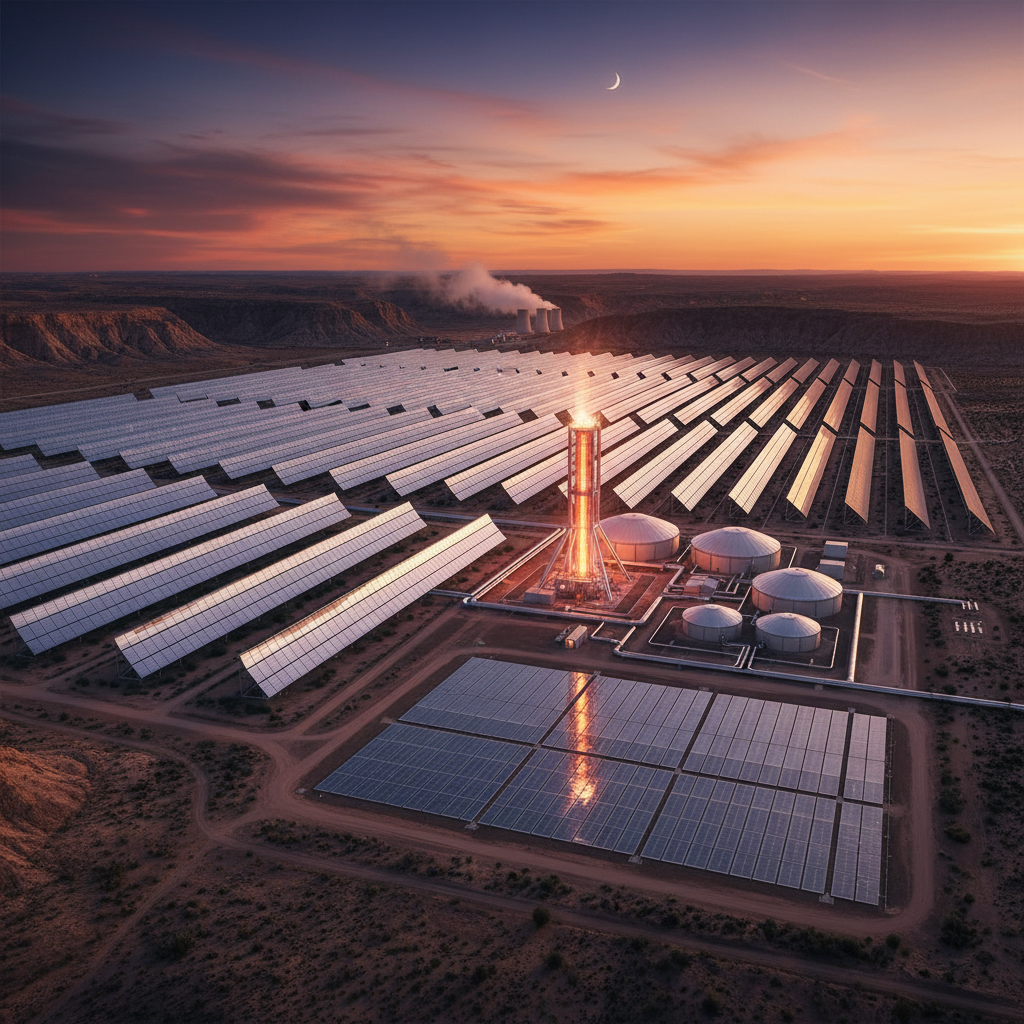
One of the most promising developments in solar thermal technology is the integration of concentrated solar power (CSP) systems, which utilize mirrors or lenses to concentrate sunlight onto a small area, converting it into heat. This heat can then be used to generate electricity or stored for later use. The U.S. Department of Energy has reported that CSP technology has achieved a levelized cost of energy (LCOE) as low as $0.04 per kWh in ideal conditions, making it competitive with fossil fuels.
Tip: When considering solar thermal solutions for energy needs, assess the local climate conditions and available space, as these factors significantly impact energy generation efficiency. Additionally, explore government incentives and subsidies that could offset installation costs for solar thermal systems. Investing in energy storage solutions can also enhance the system's reliability, ensuring a consistent energy supply throughout the day and night.
Wind Energy Breakthroughs: Next-Generation Turbine Designs and Materials
The advancements in wind energy are revolutionizing the power generation landscape, particularly through next-generation turbine designs and materials. Recent innovations have led to significant improvements in turbine efficiency and energy output. For instance, the introduction of lightweight materials in turbine construction allows for larger rotor sizes, which can harness more wind energy even in areas with traditionally low wind speeds. According to a recent industry report, the global offshore wind market is expected to triple from USD 34.3 billion in 2020 to USD 126.7 billion by 2030, demonstrating an immense investment in this transformative technology.
Further breakthroughs include the development of floating offshore wind turbines, which present a unique solution for harnessing wind energy in deeper waters. This technology is not only making location more accessible but also optimizing the use of stronger, more consistent ocean winds. Innovations like the LIGHTWIND project showcase how these turbines can be designed to be lighter and more cost-effective, potentially increasing the economic viability of offshore wind farms. As the energy sector prioritizes a shift from fossil fuels to renewable sources, these advancements highlight both the opportunities and challenges in scaling up wind energy generation, as they necessitate robust infrastructure changes and policy adaptations to support widespread adoption.
Geothermal Energy Expansion: Novel Techniques for Enhanced Resource Extraction
The expansion of geothermal energy is being propelled by innovative techniques that optimize resource extraction, offering a sustainable solution to the energy sector's growing demands. According to the International Renewable Energy Agency (IRENA), geothermal energy could supply up to 3% of global electricity by 2030, showcasing its potential as a significant player in the renewable energy landscape. One notable advancement is the use of enhanced geothermal systems (EGS), which allows for energy extraction even in areas previously considered unviable. By injecting water into hot rock formations, EGS can create artificial reservoirs, significantly increasing the accessibility of geothermal resources.
Additionally, continuous monitoring and data analytics are transforming how geothermal energy is harnessed. Industry reports suggest that the integration of advanced geological mapping and real-time monitoring systems can boost extraction efficiency by up to 30%. This not only maximizes output but also minimizes environmental impacts, aligning with global sustainability goals. As the energy sector seeks to transition to clean alternatives, the innovative techniques in geothermal energy present a promising avenue for meeting future energy demands while addressing climate change challenges.
Geothermal Energy Expansion: Enhanced Resource Extraction Techniques
This bar chart illustrates the advancements in geothermal energy extraction technologies over the past decade, showcasing the percentage increase in efficiency brought about by these innovations. The data reflects the rise in geothermal energy contribution to the overall energy mix.
Unlocking Ocean Power: Emerging Tidal and Wave Energy Solutions
As the world increasingly shifts towards sustainable energy solutions, ocean power is emerging as a potent avenue for innovation. Tidal and wave energy technologies harness the colossal forces of nature to generate clean electricity. According to a report by the International Energy Agency, global tidal energy potential is estimated at about 120 terawatt-hours per year, which could supply up to 6% of the world's electricity demand. Companies are developing advanced systems that capture these renewable resources more efficiently, making them an attractive alternative to fossil fuels.
One such technology is oscillating water columns, which capture wave energy to produce electricity. Reports suggest this method could significantly lower costs while maximizing output. Additionally, tidal stream systems use underwater turbines to convert the kinetic energy of moving water into electricity, with studies indicating they have the potential to provide up to 5% of the UK's total electricity needs by 2030.
Tip: Investing in tidal and wave energy systems can offer long-term financial benefits, with costs expected to decrease as technology advances. Staying informed about industry developments will help individuals and businesses make strategic decisions to capitalize on these emerging opportunities.
Tip: Governments are encouraged to create supportive policies and incentives for ocean power projects, which can accelerate the development and deployment of this clean energy source, ultimately leading to a more sustainable energy future.