Top 10 Renewable Energy Solutions to Power a Sustainable Future
In the quest for a sustainable future, harnessing renewable energy solutions has become a paramount necessity. Industry expert Dr. Jane Thompson, a leading researcher in renewable energy technologies, emphasizes the importance of these solutions by stating, “Transitioning to renewable energy is not just an option; it’s an imperative for the sustainability of our planet.” As we face the pressing challenges of climate change and depleting natural resources, innovative renewable energy solutions are essential not only for reducing our carbon footprint but also for fostering energy independence and economic growth.
The urgency to adopt renewable energy solutions is further driven by advancements in technology and growing public awareness of environmental issues. From solar and wind energy to bioenergy and hydropower, the potential for sustainable energy sources is vast and varied. By exploring the top ten renewable energy solutions, we can identify practical paths for individuals, businesses, and governments to embrace a cleaner and more sustainable energy landscape. This transition is not merely beneficial; it is crucial for ensuring a viable future for generations to come.
Overview of Renewable Energy Sources and Their Importance
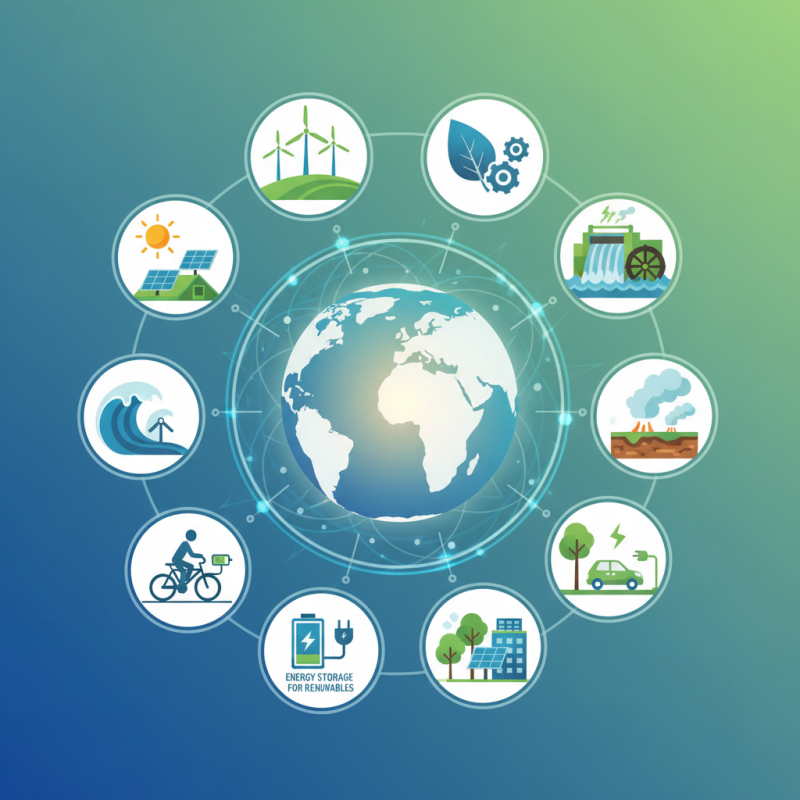
The growing global focus on sustainability has highlighted the importance of renewable energy sources in combating climate change and ensuring a brighter future. Renewable energy encompasses a variety of sources, including solar, wind, hydroelectric, and geothermal power, each offering unique benefits and technologies to harness natural energy. These sources are vital as they provide a cleaner alternative to fossil fuels, reducing greenhouse gas emissions and minimizing air pollution. Their sustainable nature allows for an uninterrupted supply of energy without depleting Earth's natural resources.
Integrating renewable energy into our energy systems not only addresses environmental concerns but also promotes economic growth and energy security. By tapping into local resources, communities can reduce their reliance on imported fuels, fostering energy independence and resilience. Additionally, the shift to renewable sources can create jobs in manufacturing, installation, and maintenance, stimulating local economies. As innovation in renewable technologies continues to advance, the potential for achieving a sustainable and self-sufficient energy future becomes increasingly attainable, making it essential for policymakers and individuals alike to prioritize the transition to clean energy solutions.
Top 10 Renewable Energy Sources
Solar Power Technologies: Harnessing the Sun for Electricity
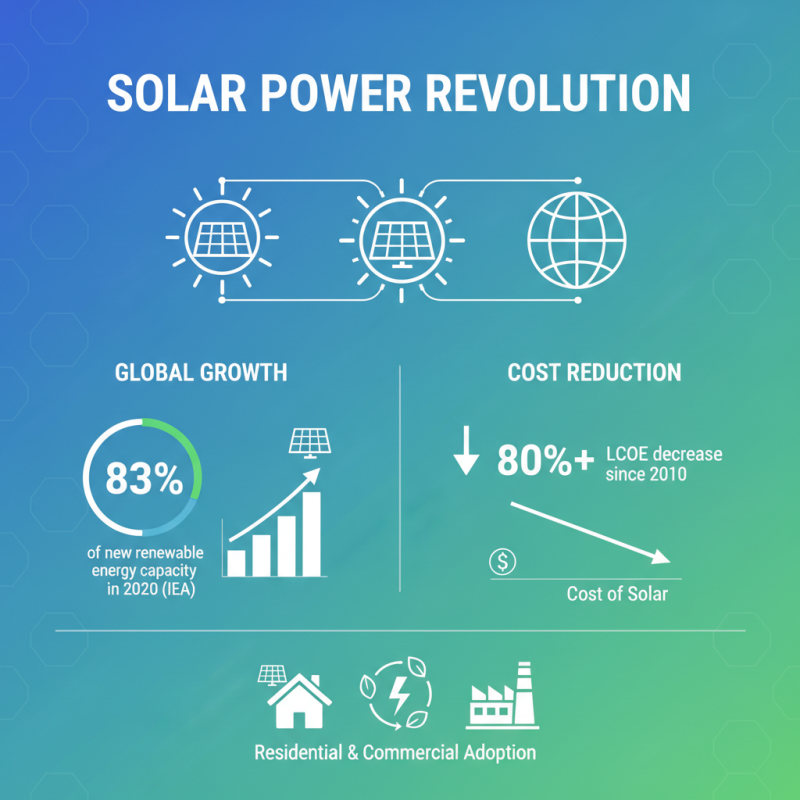
Solar power technologies are rapidly evolving, playing a crucial role in the transition towards a sustainable energy future. According to the International Energy Agency (IEA), solar energy accounted for a remarkable 83% of the global increase in renewable energy capacity in 2020. The innovative advancements in photovoltaic (PV) systems have significantly improved their efficiency and reduced costs, making solar power more accessible to both residential and commercial users. The levelized cost of electricity (LCOE) for solar has plummeted by over 80% since 2010, marking a transformative shift in energy economics.
Innovations such as bifacial solar panels and floating solar farms are expanding the potential applications of solar technologies. Bifacial panels can capture sunlight from both sides, increasing energy generation by up to 20% compared to traditional panels. Furthermore, floating solar installations, which utilize bodies of water for panel deployment, not only generate electricity but also help mitigate water evaporation and algae blooms. According to a report from the Solar Energy Industries Association (SEIA), the U.S. solar market saw a record 19.2 gigawatts (GW) of new capacity installed in 2020 alone, emphasizing the growing trust in solar power as a mainstream energy source.
Wind Energy Solutions: Capturing Wind Power for Sustainable Use
Wind energy is increasingly recognized as a vital component of a sustainable energy future. According to the Global Wind Energy Council, the total installed capacity of wind energy reached approximately 743 GW by the end of 2020, with a significant growth trajectory anticipated. This renewable resource harnesses the kinetic energy of wind, converting it into electricity through advanced turbine systems. With the capacity to generate power even in low-wind conditions, today’s wind technology is more efficient than ever, helping to lower the carbon footprint of energy production.
In the quest for sustainability, wind energy offers numerous benefits. A report by the International Renewable Energy Agency indicates that wind power could provide up to 35% of global electricity needs by 2050 if investments continue in technology and infrastructure. Moreover, wind farms can create jobs and stimulate economic growth in rural areas, where they are often located. Implementing off-shore wind projects can further enhance energy capture, as these locations typically experience higher and more consistent wind speeds compared to onshore sites, paving the way for even more substantial contributions to our energy systems. As we continue to innovate and invest in renewable energy solutions, wind power stands out as a key player in the transition towards a cleaner, more sustainable future.
Biomass and Biofuels: Converting Organic Material into Energy
Biomass and biofuels represent an essential component of the transition to renewable energy systems. By utilizing organic materials—such as agricultural residues, forestry byproducts, and even certain types of waste—these solutions convert otherwise discarded resources into valuable energy. The process typically involves the decomposition of biological matter through methods like anaerobic digestion or combustion. As a result, biomass not only helps to reduce waste but also provides a sustainable source of energy that can be harnessed for electricity generation, heating, and transportation fuels.
The significant advantage of biofuels lies in their ability to directly replace fossil fuels in existing engines and infrastructure, facilitating a smoother transition to greener technologies. Bioethanol and biodiesel are the most common types of biofuels derived from biomass, and they can be blended with conventional fuels to lower greenhouse gas emissions. Furthermore, the carbon emitted upon biofuel combustion is balanced by the carbon dioxide absorbed during the growth of the biomass, making it a potentially carbon-neutral energy source. As countries strive for energy independence and reduction of emissions, increasing investments in biomass technology and biofuel production are seen as a key strategy towards achieving a more sustainable and environmentally friendly energy landscape.
Hydropower Innovations: Utilizing Water Flow for Clean Energy Production
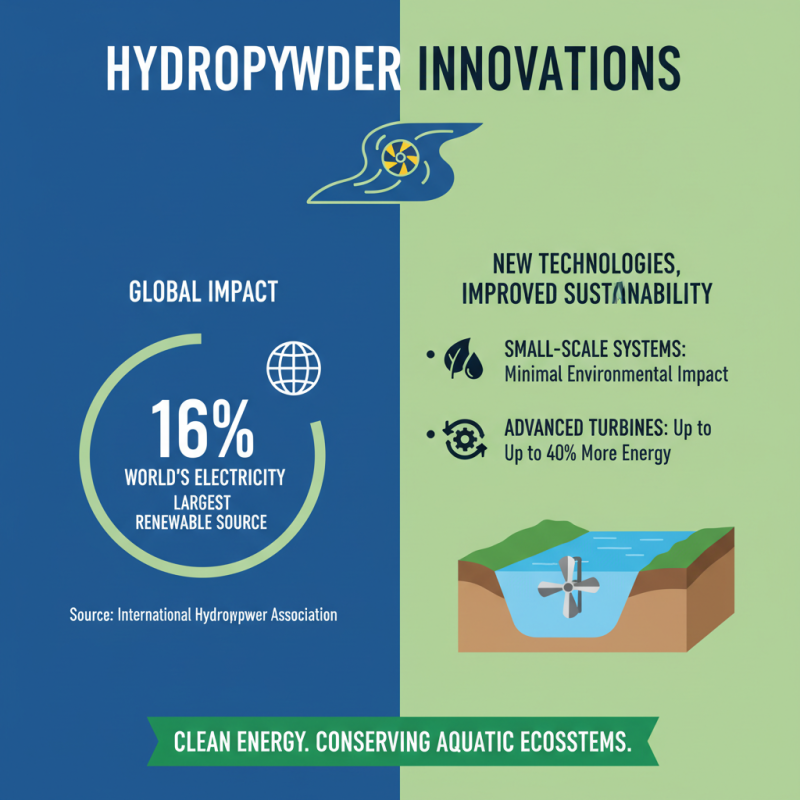
Hydropower, one of the oldest and most established renewable energy sources, is undergoing significant innovations that enhance its efficiency and sustainability. According to the International Hydropower Association, hydropower currently accounts for approximately 16% of the world's total electricity supply, making it the largest source of renewable energy globally. New technologies, such as small-scale hydropower systems and advanced water turbine designs, are making it possible to harness energy from rivers and streams with minimal environmental impact. Reportedly, these innovations can increase energy generation capabilities by up to 40%, while conserving aquatic ecosystems that are often disrupted by traditional dams.
Moreover, the integration of hydropower with other renewable energy sources presents exciting opportunities for a cleaner energy future. The International Energy Agency predicts that modernizing existing hydropower plants could provide an additional 160 gigawatts of electricity by 2040. Innovative solutions such as pumped storage hydropower offer more flexibility in energy storage, allowing excess energy generated during peak production times to be stored and released when demand peaks. This capability not only stabilizes energy grids but also complements other intermittent renewable technologies, such as solar and wind power, creating a more robust and sustainable energy mix. With continued research and development, hydropower innovations are set to play a pivotal role in advancing global energy objectives and combatting climate change.