Top Renewable Energy Sources Transforming Our Future?
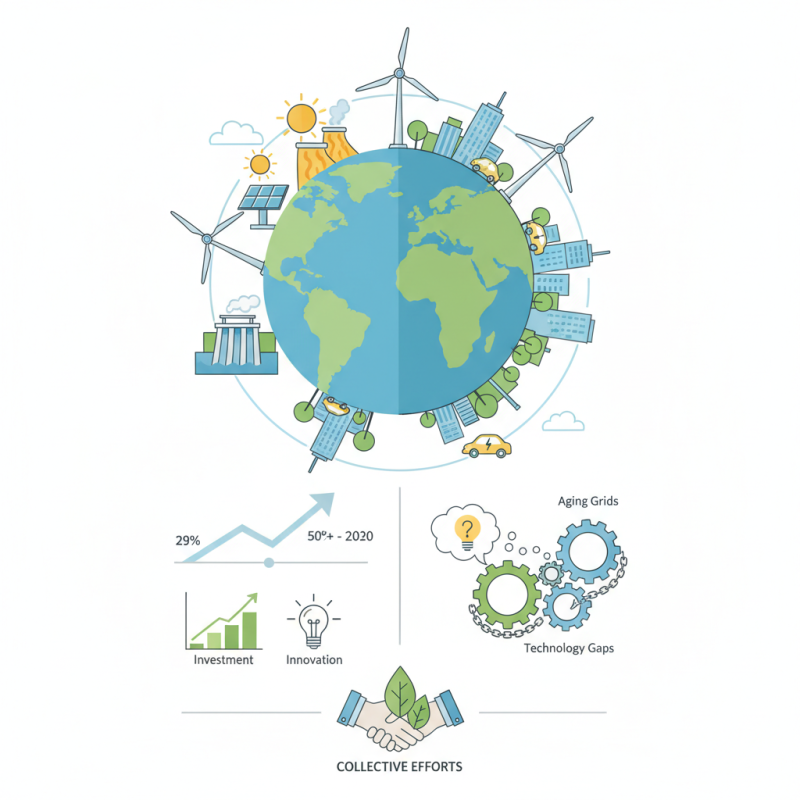
The shift towards renewable energy is revolutionizing our future. According to the International Energy Agency, renewable energy sources accounted for nearly 29% of global electricity generation in 2020. This figure is projected to reach over 50% by 2030, highlighting the increasing reliance on sustainable energy solutions. Amid this energy transition, experts emphasize the importance of innovation and investment in renewable technologies.
Dr. Emily Smith, a leading authority in renewable energy research, stated, "Investing in renewable energy is not just a duty, but a necessity for a sustainable future." Such insights reveal the urgency of addressing climate change and reducing carbon footprints. However, challenges remain. Many regions still depend heavily on fossil fuels, making the transition uneven and complex.
While the potential of renewable energy is immense, its integration into existing infrastructures poses obstacles. Aging grids, policy inconsistencies, and technology gaps need addressing. Moreover, public perception often lags behind the advancements in renewable solutions. As we embrace these changes, continuous reflection on our strategies and commitments is essential. Our energy future relies on collective efforts to overcome these hurdles and fully harness the power of renewable energy.
The Importance of Renewable Energy in Combating Climate Change
Renewable energy plays a vital role in fighting climate change. According to the International Energy Agency (IEA), renewable sources like solar, wind, and hydropower can reduce global carbon emissions by up to 70% by 2050. This reduction is crucial as we face rising temperatures and extreme weather events.
Utilizing renewable energy can also drive economic growth. The World Economic Forum reports that the clean energy sector has created over 11 million jobs globally. However, there are challenges. Transitioning requires investment and infrastructure, and many regions still rely heavily on fossil fuels.
**Tips:** Start small. Consider using energy-efficient appliances. Encourage local initiatives for solar panel installations. Every bit helps. Awareness is key. Learn more about energy sources available in your community.
Key Types of Renewable Energy Sources and Their Benefits
Renewable energy sources are changing how we power our world. Solar power, for instance, has a remarkable potential. According to the International Renewable Energy Agency (IRENA), solar can provide nearly 20% of global electricity by 2040. It is clean and abundant. However, solar energy systems require significant space and resources for installation. Not all areas have equal access to sunlight, raising questions about its universal applicability.
Wind energy is another key player. The Global Wind Energy Council reported that wind energy accounted for 7% of global electricity in 2022. It has excellent scalability, from small turbines to massive wind farms. Yet, intermittent wind patterns can affect energy availability. This inconsistency poses challenges for grid management and reliability, a hidden hurdle in the transition to wind.
Hydropower remains the largest source of renewable electricity. According to the World Energy Council, it currently covers about 16% of global power needs. It is efficient and can provide stable energy. However, environmental costs are significant. Dams can disrupt local ecosystems. So, while these renewable sources hold immense promise, there are complexities that demand careful consideration and innovative solutions.
Top Renewable Energy Sources Transforming Our Future
| Type of Renewable Energy |
Description |
Benefits |
Current Global Usage (%) |
| Solar Energy |
Energy harnessed from sunlight using solar panels. |
Sustainable, reduces electricity bills, and has low maintenance costs. |
3.5% |
| Wind Energy |
Using wind turbines to generate electricity. |
Clean energy source, cost-effective once established, and scalable. |
5.0% |
| Hydropower |
Energy generated from the flow of water, typically in dams. |
Reliable, provides large-scale energy, and is low cost post-installation. |
16.2% |
| Biomass Energy |
Energy produced from organic materials like plants and waste. |
Reduces waste, creates jobs, and contributes to energy independence. |
4.7% |
| Geothermal Energy |
Harnessing heat from beneath the Earth's surface. |
Sustainable and reliable, suitable for heating and electricity. |
0.4% |
Innovations Driving the Future of Renewable Energy Technology
The renewable energy sector is evolving rapidly. Innovations are key drivers of this shift. According to the International Renewable Energy Agency (IRENA), renewables could supply up to 86% of global power by 2050. This potential is exciting, but implementation faces hurdles.
Solar technology has seen major breakthroughs. The efficiency of solar cells increased significantly. Yet, production and installation costs remain high in several regions. It highlights a need for affordable solutions.
Tips: Consider community solar projects. They make renewable energy accessible to households that cannot install panels.
Wind energy is expanding as well. Offshore wind farms are becoming more common. However, environmental impacts and grid integration are persistent challenges. Addressing these is vital for future growth.
Tips: Explore local incentives for renewable energy. They can offset installation costs significantly.
Top Renewable Energy Sources Transforming Our Future
This chart shows the percentage contribution of various renewable energy sources to the global energy mix in 2023. As we strive for a more sustainable future, innovations in these areas are crucial for reducing carbon emissions and providing cleaner energy.
Challenges Facing the Adoption of Renewable Energy Solutions
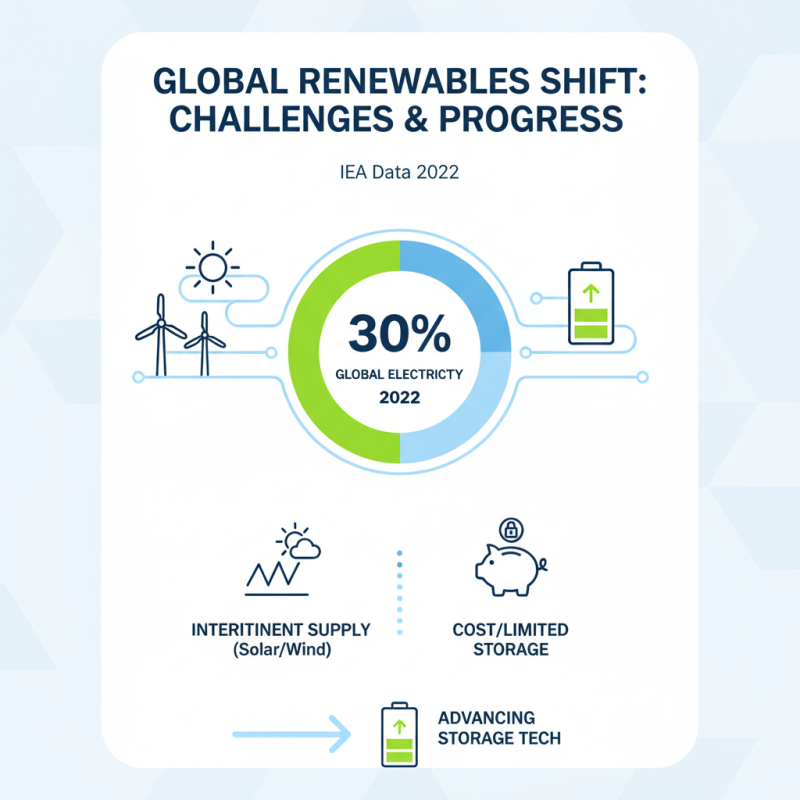
The shift toward renewable energy sources is gaining momentum, yet significant challenges remain. One of the most pressing issues is the intermittent nature of sources like solar and wind. Data from the International Energy Agency (IEA) indicates that in 2022, renewables supplied about 30% of global electricity. However, seasonal variations can lead to mismatches between energy supply and demand. Storage technology is advancing, but current storage solutions can still be costly and limited.
Infrastructure also poses a major challenge. The transition requires updated grids and new facilities. According to a report by the International Renewable Energy Agency (IRENA), an estimated $10 trillion investment is necessary for global renewable energy infrastructure by 2050. This can be daunting for many countries, especially developing ones. Limited access to financing and technology can hinder progress. Even affluent areas experience local opposition to new projects.
Additionally, regulatory frameworks can lag behind technology. Policymakers often struggle to keep pace with the rapid evolution in renewable energy solutions. Uncertainty in regulations can deter investment. Stakeholders need clarity and consistency. Even with promising solutions, the path forward is fraught with complexities and hurdles that must be addressed for a successful transition to a sustainable energy future.
The Role of Government Policies in Promoting Renewable Energy发展
Government policies play a crucial role in promoting renewable energy sources. They can provide incentives, subsidies, and tax breaks to encourage investments. These measures help reduce the costs of solar panels and wind turbines. In many regions, these technologies are becoming more accessible. As a result, we see an increase in renewable energy adoption.
However, not all policies yield positive outcomes. Sometimes, they lack clarity or face opposition. Policies that are inconsistent may hinder progress. In some cases, heavy reliance on specific technologies can create vulnerabilities. For instance, if a policy favors one energy source over others, it may limit overall growth.
Furthermore, public awareness and education are vital. Governments need to engage communities effectively. Local initiatives can strengthen the push for renewable energy. When citizens understand the benefits, they may demand more action. Challenges still exist, but strategic policy-making can pave the way to a cleaner future.