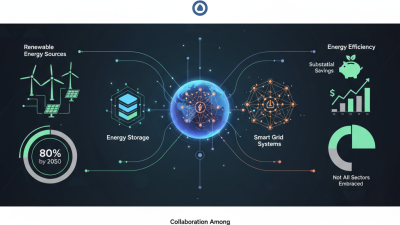
Navigating the energy business requires both strategy and adaptability. As the industry evolves, success hinges on understanding market dynamics and customer needs. The transition towards renewable energy sources presents unique challenges. Companies must balance innovation with responsible practices.
Developing a robust strategy is critical. Analyzing current trends helps businesses anticipate changes. Moreover, emulating successful practices from industry leaders can provide a competitive edge. Collaboration and networking within the energy sector build essential knowledge and strengthen alliances. However, relying too heavily on established strategies can hinder innovation. Reflection on past decisions is crucial for future growth.
The energy business is rapidly changing. Stakeholders must embrace sustainability while remaining profitable. Effective strategies incorporate flexibility and responsiveness to market fluctuations. Learning from setbacks enhances resilience and adaptability. By focusing on these key areas, businesses can enhance their chances of success in this dynamic environment.

The energy industry is undergoing significant transformation. Several key trends are reshaping how businesses operate and compete. One major trend is the shift towards renewable energy sources. Companies are investing heavily in solar, wind, and hydropower. This shift is driven by the urgent need for sustainability. The message? Traditional fossil fuels may soon be less viable.
Another vital trend is digitalization. The integration of smart technologies is enhancing operational efficiency. Digital tools help manage resources better and reduce costs. Real-time data analytics allows businesses to adapt quickly to market changes. Many firms are now exploring artificial intelligence to optimize their processes. These technologies bring both opportunities and challenges.
Regulatory changes also play a crucial role. Governments worldwide are introducing stricter environmental regulations. Compliance can be costly but also presents new market opportunities. Companies must stay informed about these regulations to remain competitive. The future of the energy business requires constant adaptation. Success will depend on how well companies navigate these evolving trends.
In the energy sector, effective risk management is crucial for sustaining growth and stability. Recent reports indicate that up to 70% of energy enterprises face significant operational risks. These include fluctuating prices, regulatory changes, and environmental concerns. Implementing comprehensive risk management strategies can mitigate these challenges. Firms often rely on scenario analysis to predict market shifts. This enables proactive adjustments in operation and finance, ensuring resilience.
Tip: Regularly update your risk assessment models. They must reflect current market dynamics. Failing to do so can lead to outdated insights.
Diversification of energy sources can also lessen risk exposure. According to a study by the International Energy Agency, companies that diversify energy portfolios can reduce volatility by 25%. This strategy allows firms to buffer against price shocks. Nonetheless, the transition to renewable sources can introduce new risks, such as technology reliability.
Tip: Establish a crisis management team. Prepare them for potential operational disruptions. Quick response can minimize damages and safeguard reputation.
Ultimately, with careful planning and adaptive strategies, energy businesses can navigate uncertainties effectively. Balancing innovation with risk awareness is essential in this evolving landscape.
The energy sector is experiencing a transformative shift, driven by innovative technologies. According to the International Energy Agency (IEA), renewable energy sources are set to account for nearly 30% of global electricity generation by 2024. This surge emphasizes the need for businesses to adopt innovative practices to remain competitive.
Digital technologies are leading this charge. For instance, the use of smart grids allows for enhanced energy management. These systems improve efficiency and reduce costs. Moreover, advancements in energy storage solutions, like batteries, are critical for balancing supply-demand dynamics. A report by Bloomberg New Energy Finance indicates that battery storage capacity could increase by 10 times by 2030. This capacity is vital for integrating intermittent renewable sources.
However, challenges remain. Companies must navigate regulatory shifts and market volatility. There can be a steep learning curve for integrating new technologies. Additionally, workforce skills must evolve to manage advanced systems. A talent gap persists, with many energy firms struggling to find qualified professionals. Addressing these issues will be paramount for long-term success in a rapidly evolving energy landscape.
| Strategy | Description | Expected Impact |
|---|---|---|
| Adoption of Renewable Energy | Integrating solar, wind, and other renewable sources into the energy mix. | Reduces carbon footprint and enhances sustainability. |
| Investment in Smart Grids | Utilizing digital technology to improve reliability and efficiency of energy distribution. | Enhances demand response and reduces outages. |
| Energy Storage Solutions | Incorporating advanced battery systems for better energy management. | Ensures reliability during peak demand. |
| Carbon Capture Technologies | Implementing systems to capture carbon emissions from power plants. | Mitigates climate change impacts. |
| Decentralized Energy Production | Encouraging local energy generation, such as community solar projects. | Increases energy independence and resilience. |
| Digital Transformation | Utilizing big data, IoT and AI to optimize operations. | Improves operational efficiencies and decision-making. |
| Strategic Partnerships | Collaborating with other companies to enhance technology and resources. | Enables innovation and resource sharing. |
| Regulatory Compliance | Staying updated and compliant with energy regulations. | Minimizes legal risks and promotes sustainability. |
| Customer Engagement | Fostering relationships and educating customers on energy efficiency. | Increases customer loyalty and participation in programs. |
Strategic partnerships are the cornerstone of growth in the energy sector. According to a recent report by the International Energy Agency (IEA), collaborative efforts can significantly enhance market access and innovation. Businesses that forge alliances can share resources and expertise, leading to increased efficiency. Data shows that around 70% of successful energy firms emphasize partnerships in their growth strategies.
Building strong alliances requires a clear understanding of shared goals. Engage with potential partners that align with your vision. Analyze their strengths and weaknesses. This helps ensure that the partnership is beneficial for both parties. Fostering open communication can also enhance collaboration. Regular updates and feedback loops can strengthen the relationship.
Tip: Discover local players in emerging markets. These companies often have insights that can be invaluable. Understand their perspectives on regulatory challenges and market trends. Also, assess the technology landscape. As per the World Energy Council, companies leveraging advanced technologies in partnerships improve their competitiveness by 30%. Reflect on your current partnerships. Are they driving growth or merely maintaining status quo?
Sustainable practices are essential in the energy business. Companies that prioritize eco-friendly strategies can reduce their environmental footprint. Technology plays a crucial role here. Implementing renewable energy sources, such as solar or wind, can lead to long-term savings. Using energy-efficient systems also minimizes waste and cuts costs.
However, the transition to sustainability is not always straightforward. Some organizations may struggle with initial investments or lack expertise in sustainable technologies. It's important to assess the benefits against the challenges. Building a diverse team with knowledge in sustainability can help address this issue. Collaboration and continuous learning are key to overcoming obstacles in adopting new practices.
Moreover, transparency is vital. Companies should communicate their efforts toward sustainability to stakeholders. This builds trust and encourages investment. Being open about challenges faced during implementation shows a commitment to improvement. Embracing a culture of sustainability is both a competitive advantage and a responsibility. It demands ongoing reflection and adaptation to thrive in the evolving energy landscape.
This chart illustrates the impact of various strategies on success in the energy business, highlighting the significance of sustainable practices and innovations.