How to Transition to Clean Energy: A Complete Guide for Homeowners
As the world increasingly confronts the challenges posed by climate change and environmental degradation, the transition to clean energy has become a critical priority for homeowners. According to the International Energy Agency (IEA), renewable energy sources are expected to account for nearly 30% of global electricity generation by 2025. This significant shift not only helps mitigate greenhouse gas emissions but also offers homeowners the opportunity to reduce energy costs and enhance property value.
Experts in the clean energy sector emphasize the importance of this transition. Dr. Emily Thompson, a leading researcher at the Clean Energy Institute, states, "Investing in clean energy is not just an environmental imperative; it's also a smart financial decision for homeowners." Her insights underscore how embracing clean energy technologies, such as solar panels and energy-efficient systems, can provide both environmental benefits and long-term savings.
In this comprehensive guide, we will explore the practical steps homeowners can take to transition to clean energy, highlighting not only the benefits but also addressing common challenges and misconceptions. By navigating this transition thoughtfully, homeowners can contribute to a sustainable future while enjoying the economic advantages that come with clean energy adoption.
Understanding Clean Energy: Definitions and Benefits for Homeowners
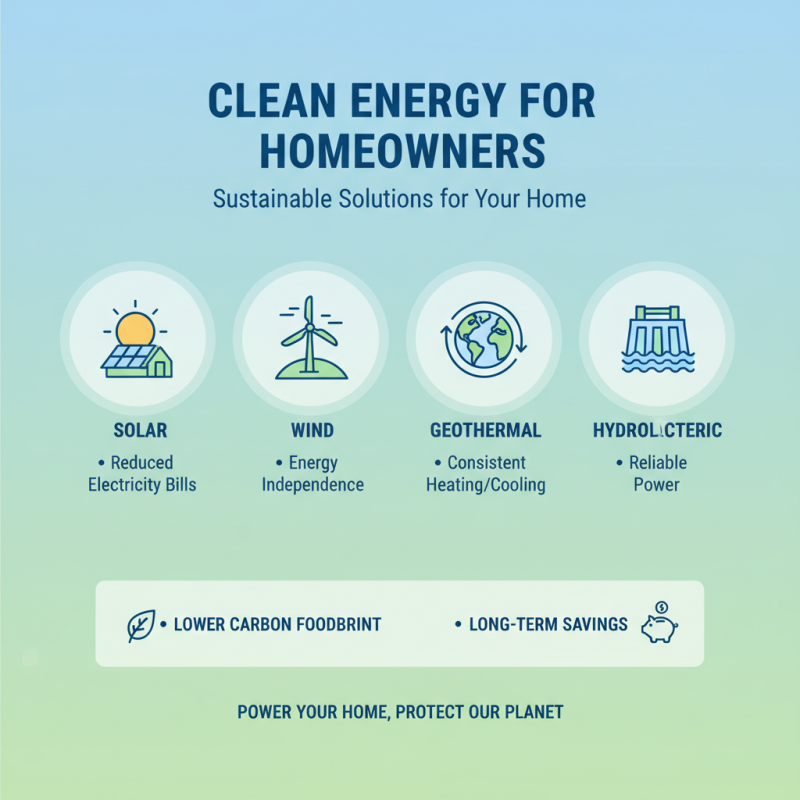
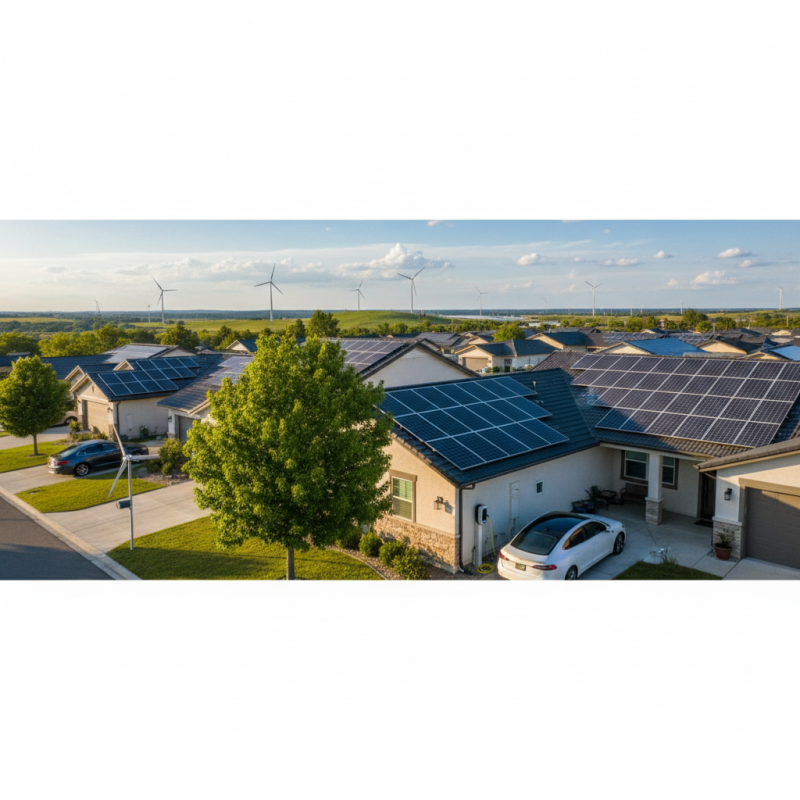
Clean energy refers to energy sourced from renewable resources that produce little to no environmental impact. For homeowners, this typically includes solar, wind, geothermal, and hydroelectric energy. These clean energy solutions not only contribute to a sustainable future but also offer numerous benefits for individual households. By transitioning to renewable energy sources, homeowners can reduce their reliance on fossil fuels, which are a major contributor to climate change and environmental degradation.
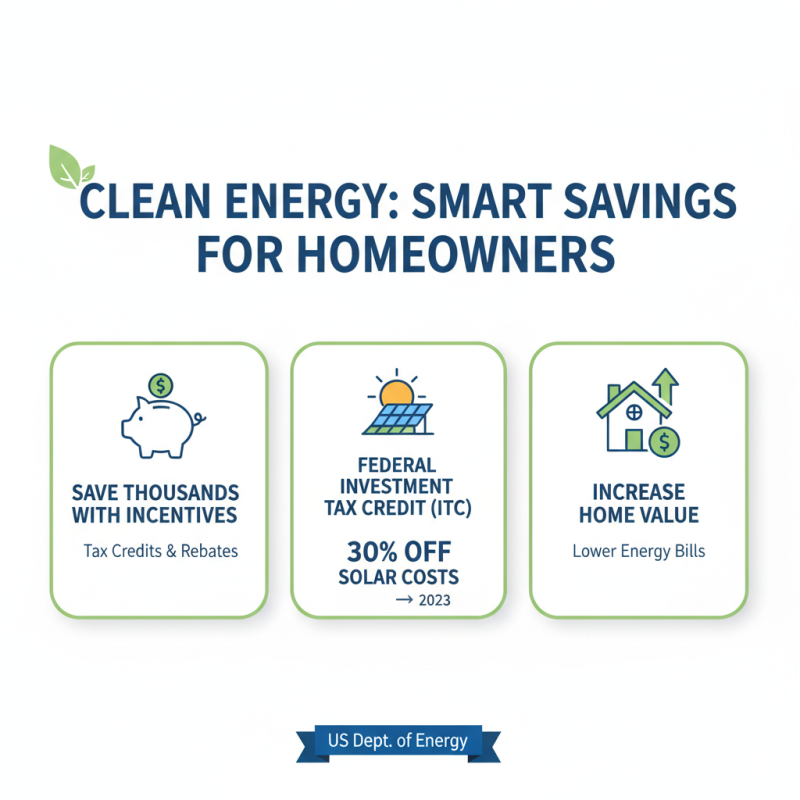
The benefits of clean energy extend beyond environmental impact. Homeowners can experience significant cost savings on utility bills by utilizing renewable energy technologies. For instance, solar panels can decrease electricity costs substantially, and often, excess energy produced can be sold back to the grid. Additionally, many governments provide incentives, such as tax credits and rebates, for those who choose to invest in clean energy solutions, making the initial investment more manageable. Furthermore, embracing clean energy can enhance property value and appeal, as more buyers are seeking eco-friendly and sustainable home options.
Assessing Your Home's Energy Efficiency: Key Metrics and Tools
When transitioning to clean energy, the first step homeowners should take is assessing their home's energy efficiency. This involves evaluating various key metrics that can help identify areas for improvement.
One critical metric is the Home Energy Score, which provides homeowners with a simple score that reflects their home's energy performance relative to similar residences. Understanding this score can guide homeowners in making informed decisions about upgrades and investments in energy efficiency.
In addition to the Home Energy Score, homeowners should utilize tools such as energy audits to gain insights into their energy consumption patterns. An energy audit typically involves a professional assessment that identifies leakages, insulating deficiencies, and outdated appliances that may contribute to energy waste.
By leveraging technology, such as smart thermostats and energy monitoring systems, homeowners can gain real-time data on their energy usage and take targeted actions to enhance efficiency. Focusing on these key metrics and tools will not only help homeowners transition to cleaner energy sources but also reduce overall energy costs in the long run.
Choosing the Right Clean Energy Sources: Solar, Wind, and Beyond
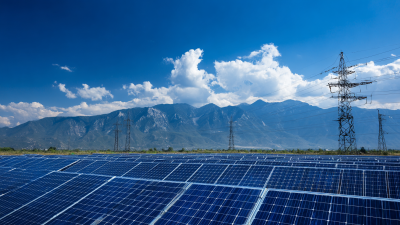
Choosing the right clean energy sources is crucial for homeowners looking to make the transition to a more sustainable lifestyle. Solar energy is one of the most accessible options, allowing homeowners to harness the sun's power through solar panels installed on rooftops or in yards. This renewable source not only reduces electricity bills but also increases property value. The efficiency of solar technology has improved significantly, making it a viable choice for many households. Homeowners should consider factors like location, roof orientation, and local sunlight exposure when deciding on solar energy.
Another promising option is wind energy, which can be harnessed through residential wind turbines. While this method may not be suitable for all areas—due to zoning laws, wind patterns, and space constraints—it can be highly effective in regions with consistent winds. Wind energy can significantly supplement or even replace traditional energy sources, offering a clean and renewable alternative. Homeowners should assess average wind speeds in their region and consult local regulations to determine if this option is feasible.
Beyond solar and wind, other clean energy sources such as geothermal energy and biomass are also worth exploring. Geothermal systems can utilize the Earth's constant temperature to heat and cool homes efficiently, while biomass energy can be generated from organic materials, offering a sustainable way to produce heat and power. Each of these options comes with its own set of benefits and considerations, making it essential for homeowners to evaluate their specific needs, resources, and environmental goals when transitioning to clean energy.
How to Transition to Clean Energy: A Complete Guide for Homeowners
| Clean Energy Source |
Cost (per kW) |
Installation Time |
Maintenance Requirement |
Environmental Impact |
| Solar Energy |
$2.50 |
1-3 days |
Low |
Very Low |
| Wind Energy |
$1.20 |
2-6 months |
Moderate |
Low |
| Geothermal Energy |
$4.00 |
2-3 weeks |
Low |
Very Low |
| Hydropower |
$0.80 |
6-12 months |
Moderate |
Low to Medium |
| Biomass Energy |
$3.00 |
3-6 months |
Moderate to High |
Medium |
Financial Incentives for Transitioning to Clean Energy: Tax Credits and Rebates
Transitioning to clean energy can be a financially savvy move for homeowners, thanks to a variety of incentives designed to encourage sustainable practices. According to the U.S. Department of Energy, homeowners can potentially save thousands of dollars through available tax credits and rebates. For instance, the federal Investment Tax Credit (ITC) allows households to deduct a significant percentage of solar system costs from their federal taxes. As of 2023, this credit stands at 30%, offering substantial savings to those who invest in solar panels and related technologies.
In addition to federal incentives, many state and local programs provide further financial assistance. A report from the National Renewable Energy Laboratory indicates that combining federal tax credits with local rebates could lead to a reduction of up to 50% in the overall installation costs of renewable energy systems. Programs like Property Assessed Clean Energy (PACE) financing enable homeowners to spread the cost of energy upgrades over time, making clean energy more accessible. Adopting clean energy not only benefits the environment but also positions homeowners to significantly lower their long-term energy expenses while taking advantage of these financial incentives.
Implementing Clean Energy Solutions: Step-by-Step Installation Processes
Implementing clean energy solutions in your home can be a rewarding process that not only reduces your carbon footprint but also leads to long-term savings on energy bills. The first step in this transition is to conduct an energy audit to determine your home’s current energy usage and inefficiencies. This assessment will help identify which clean energy solutions are most suitable, such as solar panels, wind turbines, or energy-efficient appliances. Once you’ve chosen the appropriate technology, the next step is to familiarize yourself with local regulations and incentives for clean energy installation.
After confirming the guidelines and potential financial benefits, begin planning the installation process. For solar panel systems, start by selecting the right components, including panels, inverters, and mounting systems. It’s essential to determine the optimal placement for maximum sunlight exposure, usually on a south-facing roof. If you opt for wind energy, ensure your location has sufficient wind resources and consider the height and type of turbine that will be most effective. Engaging with qualified professionals for installation can enhance safety and performance, and ensure that all systems comply with local building codes.
Once the installation is complete, consider how to monitor and maintain your clean energy systems effectively. Regular maintenance checks and monitoring performance will help ensure the longevity and efficiency of your investment. With the right approach and careful planning, transitioning to clean energy in your home will not only benefit the environment but also enhance your property’s value and energy independence.
Transitioning to Clean Energy: Installation Progress by Method