What Are the Latest Global Energy Trends?

Global energy is entering a faster, more complicated transition. The International Energy Agency’s World Energy Outlook 2024 reports that global electricity demand is rising rapidly, driven by cooling, industry, electric vehicles, and data centres. Solar power and wind are expanding, yet oil and gas still support transport, heating, and manufacturing.

The numbers show both momentum and friction. IRENA recorded approximately 473 gigawatts of renewable capacity added worldwide in 2023. Solar panels led the growth, covering rooftops, deserts, and industrial land. However, grids often cannot connect new projects quickly enough. Battery storage is improving, but supply chains, permitting, financing, and local opposition remain serious barriers. Progress is real. It is uneven.

Fatih Birol, Executive Director of the IEA, has said, “The clean energy transition is happening worldwide and it’s unstoppable.” His statement captures the direction, but not the whole difficulty. The Energy Institute’s Statistical Review of World Energy 2024 still shows fossil fuels providing most global energy consumption. This gap matters. Replacing coal in power generation is easier than changing aviation fuel, steel production, or chemical manufacturing.

The latest global energy trends therefore demand a broader reading. Renewable growth is accelerating, electricity is becoming more important, and energy security is shaping investment decisions. Still, forecasts can miss political shocks, extreme weather, and weak infrastructure. That uncertainty deserves attention. A credible global energy outlook must measure progress without hiding the unfinished work.
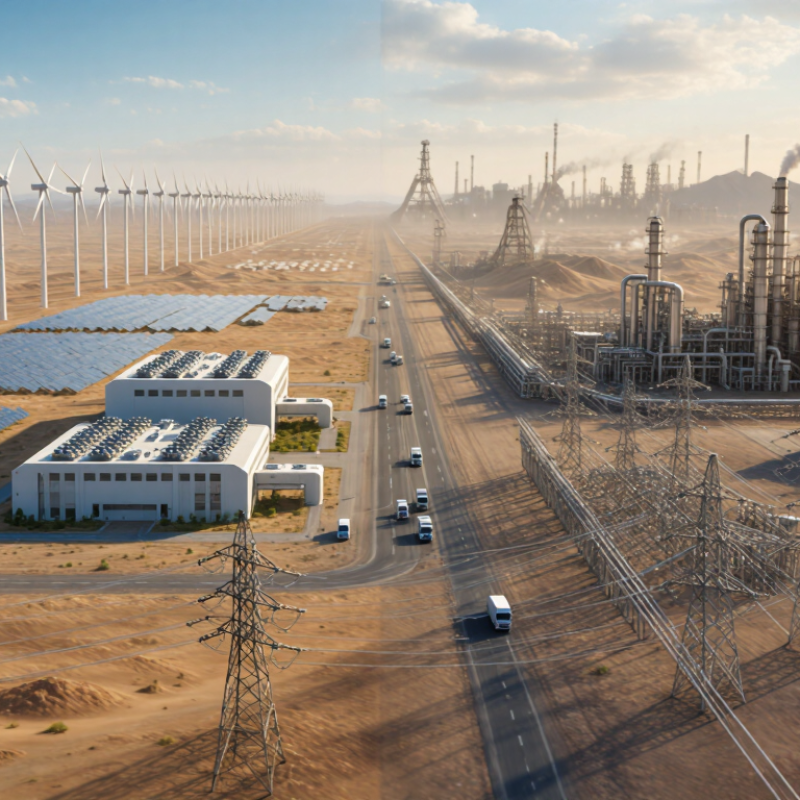
What Are the Latest Global Energy Trends?

Global Energy Trends: Scope, Definitions, and Key Indicators

Global energy trends describe how societies produce, move, and use energy across regions and sectors. The scope includes electricity, transport fuels, heating, industrial processes, and energy access. It also covers supply security, affordability, emissions, and resilience during extreme weather. A narrow focus on power generation can miss important changes in buildings and heavy industry. Energy is not one market.

Clear definitions make comparisons more reliable. Primary energy refers to resources before conversion, such as sunlight, coal, gas, uranium, and flowing water. Final energy is what users receive at a factory, home, vehicle, or farm. Electricity generation shows output, while installed capacity shows potential output. These measures should not be treated as interchangeable. A wind project may have high capacity but produce less electricity during calm hours.

Key indicators reveal different parts of the transition. Renewable energy share tracks the portion of supply from renewable sources. Energy intensity measures energy use per unit of economic output. Carbon intensity measures emissions per unit of energy or electricity. Analysts also examine grid reliability, storage duration, transmission capacity, clean cooking access, and household energy prices. Data from national agencies can differ in methods and timing, so cross-border comparisons need care. I have found that annual averages can hide painful details, such as a winter price spike or a rural outage lasting several days. Battery statistics can also exaggerate progress when duration and recycling are ignored. Some indicators remain imperfect. That is not a reason to discard them, but a reason to question what they leave out.

The Expansion of Renewable Energy and Clean Power Technologies

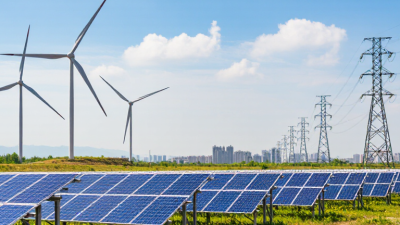
Solar panels and wind turbines are moving from niche projects into mainstream power systems. Rooftops now turn unused space into small electricity stations. Large wind farms add clean generation across plains and offshore areas. Hydropower and geothermal energy also provide steadier output in suitable regions. These technologies reduce fuel use and can improve energy security. However, expansion depends on stronger transmission networks, faster permitting, and skilled technicians.

Energy storage is becoming equally important. Battery containers can store midday solar power for evening demand. Smart inverters help renewable projects support voltage and frequency control. Digital forecasting also helps operators respond to changing weather. Green hydrogen may serve industries that cannot easily use direct electricity. Yet, the technology remains expensive and energy intensive. A battery does not create electricity.

Recent projects show practical progress, but some forecasts feel too smooth. Supply chains still require minerals, careful recycling, and transparent labor standards. New transmission lines can also face local opposition and lengthy reviews. Clean power is not automatically sustainable in every location. Poorly planned projects may damage habitats or overload fragile grids. Reliable expansion needs lifecycle assessments, public consultation, and measurable performance data. Small failures matter. Lessons from them should reshape the next project.

Global Renewable Power Capacity Additions, 2015–2024

Global renewable power capacity additions accelerated sharply in recent years, reaching approximately 585 GW in 2024. The trend reflects the rapid expansion of solar and wind power, supported by falling technology costs, energy-security policies, and worldwide clean-energy investment.

Source: International Renewable Energy Agency (IRENA), Renewable Capacity Statistics 2025. Values are approximate annual additions in gigawatts (GW).

The Transformation of Global Energy Consumption and Demand

Global energy consumption is changing as economies grow, cities expand, and households gain better access to electricity. Demand is shifting. Electricity now supports transport, cooling, data services, and industrial processes once powered mainly by direct fuel use. This creates a more connected energy system, but it also increases pressure on grids during hot afternoons and cold evenings.

Renewable power is expanding rapidly, especially in regions with strong sunlight and steady wind. Solar panels on warehouses, small wind projects, and local battery storage are becoming practical parts of energy planning. However, generation remains weather-dependent. A calm night can reduce supply when demand stays high. Grid operators therefore need flexible power, stronger transmission lines, and accurate forecasting. Energy efficiency matters just as much. Better insulation, efficient motors, and smart controls can reduce consumption without lowering comfort.

Global demand is also becoming more unequal. Some communities need reliable basic electricity, while others require large amounts for electric vehicles, air conditioning, and digital infrastructure. This difference complicates international targets and investment decisions. Cleaner energy may grow quickly, yet fossil fuels still support many industries and transport systems. The transition is not perfectly linear. Policy changes, mineral shortages, rising costs, and public resistance can slow progress. Experience from recent power disruptions shows that affordability and reliability must advance alongside emissions reduction, not after it. Mistakes will happen. Careful measurement, transparent data, and local planning can make those mistakes less damaging.

Energy Security, Geopolitics, and Changing International Markets

What Are the Latest Global Energy Trends? Energy Security, Geopolitics, and Changing International Markets

Energy security now means more than securing oil and gas supplies. It includes resilient grids, mineral access, storage capacity, and affordable electricity. The International Energy Agency’s World Energy Investment 2024 reported over $3 trillion in expected global energy investment. Clean energy attracted about $2 trillion, twice the amount directed toward fossil fuels. This gap is significant. It also exposes a weakness: capital is growing faster than reliable infrastructure.

Geopolitics is reshaping international energy markets. Conflicts and shipping disruptions can quickly increase freight costs, insurance premiums, and regional price differences. The Energy Institute’s Statistical Review of World Energy 2024 found that global energy demand rose in 2023, while emissions also reached another record. Supply diversification is therefore becoming practical policy, not just political language. Countries are expanding domestic renewables, gas storage, interconnectors, and emergency reserves. Yet these measures can raise short-term costs for households.

Critical minerals add another layer. The International Energy Agency’s Global Critical Minerals Outlook 2024 warned that mineral supply chains remain highly concentrated. Copper, lithium, nickel, and graphite are essential for grids, batteries, and electric transport. Recycling can reduce pressure, but it cannot solve every shortage. The transition may be cleaner, but not automatically fairer. Some forecasts still assume smooth construction and stable trade. That assumption feels too neat. A delayed transformer can matter as much as a delayed fuel shipment.

What Are the Latest Global Energy Trends? - Energy Security, Geopolitics, and Changing International Markets

Selected global indicators showing how energy demand, investment, trade routes, technology deployment, and geopolitical risks are reshaping international markets.

Energy Dimension Key Indicator Latest Reported Value Direction Strategic Meaning Reference
Global Energy Demand Annual growth in total global energy demand Approximately 2.2% in 2023 Rising Economic growth, population expansion, cooling demand, and industrial activity continue to increase pressure on energy systems. International Energy Agency, Global Energy Review 2024
Energy Investment Global investment in clean-energy technologies and infrastructure More than US$2 trillion in 2024 Accelerating Clean-energy investment is attracting roughly twice as much capital as fossil-fuel supply investment, although financing remains uneven across emerging markets. International Energy Agency, World Energy Investment 2024
Renewable Capacity New renewable-power capacity added worldwide Approximately 585 GW in 2024 Record high Renewables are becoming the principal source of new electricity capacity, improving diversification and reducing exposure to imported fuels. International Renewable Energy Agency, Renewable Capacity Statistics 2025
Solar and Wind Power Share of new renewable capacity added in 2024 Solar: about 452 GW; wind: about 113 GW Expanding Solar and wind dominate capacity growth, but their variable output increases the need for storage, flexible generation, stronger grids, and demand management. International Renewable Energy Agency, Renewable Capacity Statistics 2025
Electricity Mix Global electricity generated from renewable sources About 30% in 2023 Increasing Renewables are reducing the long-term growth potential of fossil-fuel generation, although fossil fuels still supplied approximately 60% of global electricity in 2023. Ember, Global Electricity Review 2024
Energy-Related Emissions Global carbon dioxide emissions from energy combustion and industrial processes Approximately 37.4 gigatonnes in 2023 Still rising Rapid clean-energy deployment has not yet offset emissions growth from higher demand, extreme temperatures, and economic expansion. International Energy Agency, Global Energy Review 2024
Electric Mobility Global electric-car sales More than 17 million vehicles in 2024 Strong growth Electrification is changing oil-demand expectations and increasing the importance of electricity networks, batteries, and critical-mineral supply chains. International Energy Agency, Global EV Outlook 2025
Liquefied Natural Gas Trade International LNG trade volume Approximately 404 million tonnes in 2023 Expanding LNG has increased short-term supply flexibility, but prices and security remain sensitive to shipping availability, weather, infrastructure, and regional conflicts. Energy Institute, Statistical Review of World Energy 2024
Maritime Energy Security Oil transported through the Strait of Hormuz Approximately 20–21 million barrels per day in 2023 Strategic chokepoint A disruption could affect a major share of global oil flows and also influence petroleum-product and LNG markets, creating immediate price and insurance risks. U.S. Energy Information Administration, World Oil Transit Chokepoints
Critical Minerals Concentration of global refining for lithium, cobalt, graphite, and rare-earth elements The top three refining countries account for more than 90% for several key materials Highly concentrated Energy security is increasingly linked to mining, processing, trade controls, recycling capacity, and industrial policy rather than fuel supply alone. International Energy Agency, Global Critical Minerals Outlook 2024
Grid Infrastructure Investment needed in electricity grids by 2030 to meet stated climate and energy goals More than US$600 billion annually Investment gap Grid expansion and modernization are becoming a central bottleneck for renewable integration, electrification, data centers, and industrial decarbonization. International Energy Agency, Electricity Grids and Secure Energy Transitions
Energy Geopolitics Policy focus on supply diversification, domestic production, and strategic reserves Broadly intensified since 2022 Structural shift Governments are balancing affordability, emissions reduction, resilience, and strategic autonomy, leading to more active industrial and trade policies. International Energy Agency, World Energy Outlook 2024
Note: Figures refer to the latest year available in the cited source and may use different definitions, reporting periods, and rounding conventions. Values are intended for international trend comparison rather than direct financial or policy forecasting.

Challenges, Policies, and Future Directions in the Energy Transition

Global energy systems are shifting toward renewables, electrification, and stronger grid connections. Solar and wind capacity continue to expand, while battery storage supports power during evening demand. Electricity use is also rising through electric vehicles, heat pumps, and data centers. The transition is accelerating. Yet progress remains uneven.

The main challenge is reliability. Renewable output changes with sunlight and weather, so grids need storage, flexible demand, and improved transmission lines. Many regions still depend on coal or gas for stable power. Emerging economies also face high financing costs and limited grid access. Energy policies must therefore protect affordability, reduce emissions, and attract long-term investment. Clear permitting rules can shorten construction delays. Targeted support can help lower-income households manage higher transition costs.

Carbon pricing, clean-energy auctions, and efficiency standards are shaping investment decisions. However, policy design often looks cleaner on paper than in rural communities. A new transmission line may support national targets but disrupt local livelihoods. Policymakers need transparent consultation, fair compensation, and reliable data. Future progress may depend on clean hydrogen, advanced nuclear systems, long-duration storage, and lower-carbon industrial processes. Some technologies remain expensive or unproven at scale. That uncertainty deserves honest attention. Energy planning should also measure land use, mineral demand, water consumption, and recycling capacity, not emissions alone. Mistakes will happen. Better monitoring can make them visible early.