What Are China Top Power Generation Equipment Manufacturers?
China has become a central force in global power generation equipment. Its manufacturers supply thermal, hydro, wind, solar, and grid-support systems worldwide. The International Energy Agency’s Electricity 2024 report expects global electricity demand to grow by about 3.4% annually through 2026. China will drive a significant share of this expansion.
The scale is difficult to ignore. IRENA reported that China added nearly 298 gigawatts of renewable capacity in 2023, representing most global additions that year. The IEA’s Renewables 2024 report also projects China will provide almost 60% of new global renewable capacity through 2030. These figures explain the influence of companies such as Dongfang Electric, Harbin Electric, Shanghai Electric, and other specialized manufacturers.
Fatih Birol, Executive Director of the IEA, said, “The world is entering an Age of Electricity.” That shift changes how equipment suppliers are judged. Factory size matters, but so do turbine efficiency, project experience, grid compatibility, maintenance response, and lifecycle reliability. Field performance matters more.
No ranking is perfect.
A manufacturer may excel in ultra-high-voltage equipment yet lack strong overseas service. Another may offer advanced turbines but face long delivery schedules. This article therefore examines China’s leading power generation equipment manufacturers through measurable capacity, technology, project references, and international credibility. Public data can also be incomplete, especially for private subsidiaries and export contracts. Readers should verify certifications, warranty terms, and operating records before making procurement decisions.
China’s Power Generation Equipment Manufacturing Industry at a Glance
What Are China Top Power Generation Equipment Manufacturers?
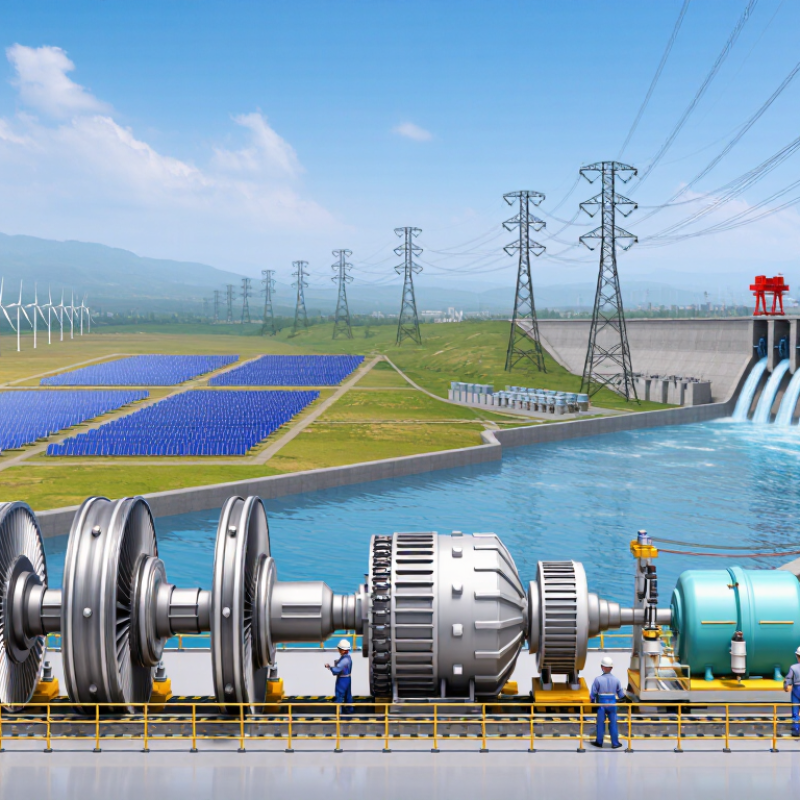
China’s power generation equipment manufacturing industry covers a broad and technically mature supply chain. It includes turbine systems, boilers, generators, transformers, control cabinets, and renewable energy equipment. Manufacturers often serve thermal, hydro, wind, solar, and waste-to-energy projects. Their experience varies by product type, project scale, and export market.
In factory evaluations, technical documents matter as much as production capacity. Check material traceability, welding records, vibration testing, and final-load performance. A reliable supplier should explain efficiency data in clear terms. It should also provide installation guidance, spare-parts planning, and service response times. Site visits can reveal details that brochures hide, such as testing discipline and storage conditions. I have found that delivery speed is useful, but long-term maintainability matters more. Some purchasing plans still underestimate operator training.
Tips: Compare technical specifications, not only prices. Request recent test reports and reference projects. Confirm compliance with the destination country’s electrical and environmental standards. Ask who handles commissioning when conditions change. Small questions often expose large gaps. One overlooked detail can delay a project.
China’s industry benefits from extensive industrial infrastructure and a large engineering workforce. However, quality is not uniform across every factory or product line. Buyers should assess independent certifications, production records, after-sales capability, and financial stability. A careful review creates stronger evidence than a simple “top manufacturer” list. The best choice depends on fuel type, grid requirements, climate, budget, and expected operating hours. Reality is less tidy than rankings suggest.
What Are China’s Top Power Generation Equipment Manufacturers?
China’s Power Generation Equipment Manufacturing Industry at a Glance
China’s power-generation equipment market is closely linked to the country’s large installed base of thermal, solar, wind, hydropower, and nuclear generation assets. Solar and wind capacity have expanded rapidly, while thermal power remains the largest installed category, supporting sustained demand for turbines, generators, boilers, transmission systems, and related equipment.
Data source: National Energy Administration of China, approximate installed generation capacity at the end of 2024. Values are rounded and do not represent individual companies or brands.
Key Criteria for Identifying China’s Leading Manufacturers
What Are China Top Power Generation Equipment Manufacturers?
Identifying China’s leading power generation equipment manufacturers requires more than checking production volume. A reliable supplier should show relevant project experience, stable factory capacity, and clear technical documentation. Ask for project references involving similar output, fuel type, voltage, and operating conditions. A supplier experienced with coastal plants may not understand high-altitude installations.
Professional capability appears in details. Review design drawings, testing procedures, material traceability, and spare-parts planning. Factory audits can reveal equipment that online brochures hide. Look for calibrated test rooms, documented quality controls, and trained engineers who explain risks clearly. Certifications matter, but certificates alone do not guarantee dependable performance. Independent inspection reports and customer feedback provide stronger evidence. Delivery records also deserve attention, especially for large generators, turbines, transformers, and control systems.
Tips:
Compare at least three suppliers using the same technical checklist. Confirm warranty coverage, response times, installation support, and after-sales training. Request a sample factory acceptance test report. Pay attention to vague answers. In my experience, honest manufacturers admit design limits instead of promising everything. That honesty is useful, although it can feel less impressive during early negotiations. A capable partner should also discuss maintenance access, noise control, efficiency under partial load, and local compliance requirements. Specifications may look excellent on paper, yet field conditions often expose overlooked weaknesses.
Major Manufacturers of Thermal and Renewable Power Equipment
China’s leading power equipment manufacturers serve two demanding fields: thermal generation and renewable energy. Their portfolios often include steam turbines, boilers, gas turbines, generators, cooling systems, wind turbines, solar inverters, and grid equipment.
The scale is substantial. The IEA’s Renewables 2024 report recorded about 510 GW of new renewable capacity worldwide in 2023, nearly 50% higher than in 2022. IRENA reported global renewable capacity exceeding 3,870 GW by the end of 2023. These figures create strong demand for manufacturers with large factories, testing facilities, and proven project delivery. Thermal equipment remains important, especially for flexible generation and industrial heat. However, stricter emissions rules require better efficiency, low-carbon fuels, carbon-control readiness, and reliable monitoring systems. Manufacturing volume alone is not enough.
Tips: Compare heat rates, availability guarantees, warranty terms, and local service capacity. Request operating data from similar projects.
A practical evaluation should also examine renewable integration. Equipment must respond to changing wind and solar output, not only produce electricity at full load. Independent verification matters. Reports from the IEA, IRENA, and national grid authorities can support supplier comparisons. Still, public rankings can oversimplify performance; a large order book may hide maintenance delays or uneven regional support. That deserves scrutiny.
Market Position, Global Reach, and Future Development Trends
China’s top power generation equipment manufacturers hold a strong position through large production capacity, competitive pricing, and complete project support. Their portfolios often include steam turbines, boilers, hydroelectric units, wind equipment, solar inverters, and grid-related systems. Market leadership is no longer judged by factory size alone. Efficiency, reliability, delivery speed, and service quality matter more.
Global reach is expanding across Asia, the Middle East, Africa, and Latin America. Manufacturers increasingly provide engineering, installation guidance, spare parts, and remote monitoring. This broader support helps them compete in demanding infrastructure projects. However, international performance is uneven. Some suppliers have excellent equipment but limited local service networks. Others offer fast delivery but need stronger long-term maintenance systems. That gap deserves attention.
Tips: Compare verified operating records, not only catalogue specifications. Check efficiency at different loads, warranty response times, local technicians, and replacement-part availability. Ask for independent testing data when possible. Future development will focus on digital diagnostics, flexible generation, lower emissions, and renewable integration. Battery storage and smart grid controls will also reshape equipment demand. The transition will not be perfectly smooth. Older plants may remain necessary while cleaner systems develop, creating a complicated market for manufacturers and buyers.