Choosing the right energy storage system is no longer a simple equipment decision. It affects reliability, operating costs, safety, and future expansion. The market is growing quickly. The International Energy Agency reported that global battery storage additions exceeded 40 GW in 2023, after strong annual growth. This momentum reflects rising renewable generation and increasing grid flexibility needs.
Yet, larger capacity does not automatically mean better performance. A practical evaluation should examine load profiles, peak demand, charging sources, discharge duration, temperature, and available space. For a factory, a containerized lithium-ion system may reduce demand charges during afternoon peaks. A remote site may require longer-duration storage and stronger thermal management. Small details matter.
The Lazard Levelized Cost of Storage analysis shows that storage economics vary significantly by technology, project duration, and operating assumptions. That warning deserves attention. A promising payback estimate can still fail when degradation, interconnection fees, maintenance, or replacement costs are overlooked. The right system must match actual operating conditions, not marketing claims.
This guide explains how to compare technologies, size capacity, assess safety, and review supplier warranties. It also considers round-trip efficiency, cycle life, response time, software controls, and end-of-life planning. Independent testing and transparent performance data should support every major decision. No single technology wins everywhere. Sometimes, the most expensive mistake is choosing too quickly.
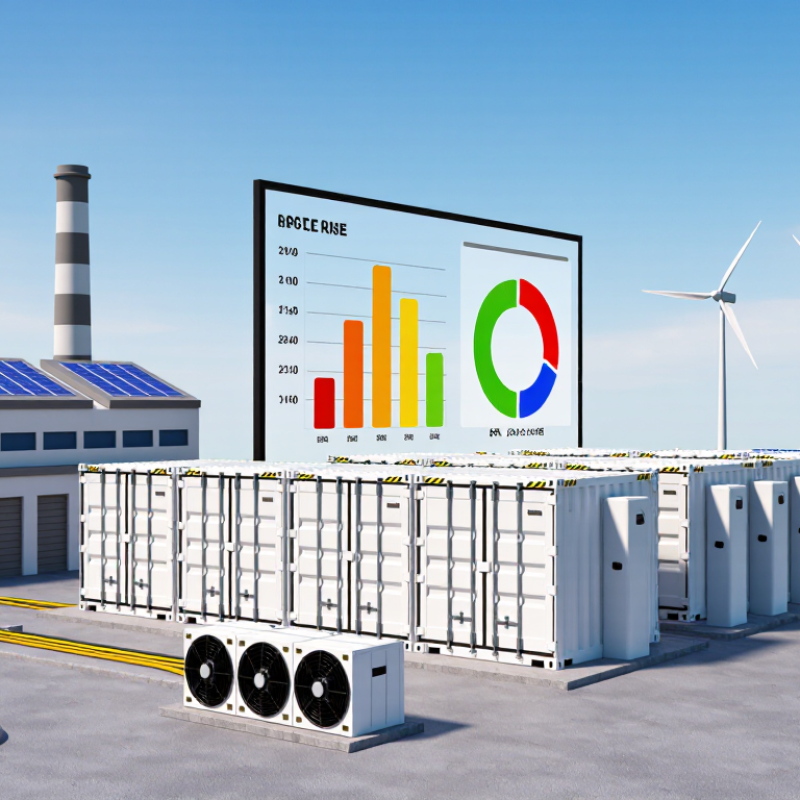
How to Choose the Right Energy Storage System?
Understanding Energy Storage System Types and Their Core Functions
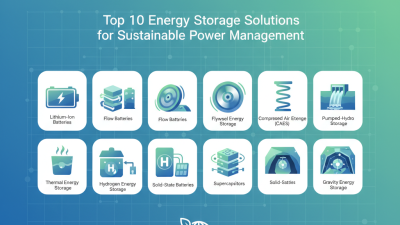
An energy storage system is more than a battery cabinet. It combines storage cells, power conversion equipment, controls, cooling, and safety devices. Each part affects reliability. Lithium-ion systems respond quickly and suit daily load shifting, solar self-consumption, and backup power. Lead-acid systems can reduce initial costs, but they usually need more space and careful ventilation. Flow batteries support longer discharge periods and may perform well in large, stationary projects. Mechanical options, such as pumped hydro, can store substantial energy, but they require suitable land and water conditions.
The core function should guide your choice. Power capacity shows how much electricity the system delivers at once. Energy capacity shows how long it can operate. A home needing two hours of evening support has different needs from a facility requiring overnight backup. Check round-trip efficiency, response time, operating temperature, cycle life, and maintenance access. The energy management system should coordinate charging, discharging, grid interaction, and fault protection. In practice, I have seen designs focus too heavily on battery size. That can overlook heat control and software limits. Real performance may differ from laboratory data.
Tips: Measure your load every fifteen minutes before selecting equipment. Separate essential circuits from flexible ones. Ask for usable capacity, not only rated capacity. Review degradation assumptions and emergency procedures. Leave physical space around equipment for inspection. A smaller system with clear controls may outperform a larger system installed without careful planning.
How to Choose the Right Energy Storage System?
Matching storage capacity and power output to your energy needs requires more than comparing battery size. Capacity shows how much energy the system stores, usually in kilowatt-hours (kWh). Power output shows how quickly it can deliver energy, measured in kilowatts (kW). A system with high capacity may still struggle with a short, heavy load.
Start with a detailed load profile. Record household or facility consumption in fifteen-minute intervals, including evening peaks and seasonal changes. A refrigerator may need little energy, but its compressor creates a brief starting surge. Pumps, heaters, and workshop tools can demand much more power. Check both continuous output and peak output in the technical specification.
For example, a site using 18 kWh overnight may need 24 kWh of nominal storage. Usable capacity is lower after reserve limits, temperature effects, and conversion losses. A 10 kW inverter may support normal loads, yet fail when several motors start together. I have seen estimates based only on daily energy use, and they were incomplete. Peak demand mattered more than expected.
Leave a practical margin, but avoid excessive oversizing. Extra capacity increases cost and may operate inefficiently when loads remain small. Review round-trip efficiency, depth-of-discharge limits, warranty conditions, and local installation requirements. These details affect real performance. Weather also matters. Cold mornings can reduce available power, while hot rooms may shorten service life. Recheck the design after collecting actual meter data for several weeks.
Choosing an energy storage system requires more than comparing advertised capacity. Measure round-trip efficiency under realistic temperatures and partial loads. A system rated at 95% may perform differently in a cold warehouse. Ask for test conditions, degradation data, and maintenance requirements. In practical site assessments, I also check inverter losses, standby consumption, and usable capacity.
Lifespan depends on cycling habits, depth of discharge, and heat exposure. A battery used twice daily faces different stress than emergency backup equipment. Review cycle-life testing and warranty limits carefully. Safety deserves equal attention. Look for thermal monitoring, cell-level protection, ventilation plans, and independent certification. Fire separation and clear access routes matter during installation and maintenance. Small oversights can create serious operational risks.
Environmental impact begins before installation. Compare material sourcing, manufacturing energy, transport distance, and end-of-life recovery options. A longer-lasting system may reduce replacement waste, even when its initial footprint is higher. However, environmental claims can be incomplete. I have seen assessments that ignore cooling electricity or replacement parts. Request transparent lifecycle data, not only a low-carbon headline. Local climate, recycling infrastructure, and available service skills should influence the final choice.
| Storage Technology | Typical Round-Trip Efficiency | Typical Cycle Life | Expected Calendar Life | Energy Density | Safety Considerations | Environmental Factors | Best-Fit Applications |
|---|---|---|---|---|---|---|---|
| Lithium Iron Phosphate (LFP) | 90–95% High efficiency with low standby losses. |
3,000–8,000 cycles Often specified at controlled temperature and defined depth of discharge. |
Approximately 10–20 years, depending on temperature, charging strategy, and usage. | Approximately 90–160 Wh/kg at cell level. | Lower thermal-runaway risk than nickel-rich lithium-ion chemistries, but thermal protection, monitoring, and fire controls are still required. | Does not use nickel or cobalt in the cathode. Mining, electrolyte management, and end-of-life recycling remain important considerations. | Residential systems, commercial storage, microgrids, and frequent daily cycling. |
| Nickel-Manganese-Cobalt (NMC) | 90–95% High charge and discharge efficiency. |
1,500–4,000 cycles Actual life varies significantly with depth of discharge and operating temperature. |
Approximately 8–15 years in many stationary applications. | Approximately 150–250 Wh/kg at cell level. | Higher thermal-propagation sensitivity than LFP; requires robust battery-management systems, spacing, ventilation, and emergency-response planning. | Higher energy density can reduce material use per kWh of installed capacity, but nickel and cobalt supply chains can create greater environmental and social concerns. | Space-constrained installations and applications prioritizing compact size and high power. |
| Lead-Acid | 70–85% Efficiency declines under high discharge rates and partial-state-of-charge operation. |
500–1,500 cycles Longer life is possible with shallow cycling and careful maintenance. |
Approximately 3–10 years, depending on battery type, temperature, and cycling pattern. | Approximately 30–50 Wh/kg. | Low risk of thermal runaway compared with many lithium-ion systems, but batteries can release hydrogen during charging and contain corrosive sulfuric acid. | Lead-acid batteries have a mature and highly effective recycling infrastructure in many regions. Lead handling and acid leakage require strict controls. | Backup power, low-cost systems, and applications with infrequent or shallow cycling. |
| Vanadium Redox Flow Battery | 65–85% Pumping requirements reduce efficiency compared with most lithium-ion systems. |
10,000–20,000+ cycles Low capacity fade because energy is stored in liquid electrolyte. |
Approximately 15–25 years, with the potential to replace or recondition some system components. | Approximately 10–30 Wh/kg; large physical footprint is usually required. | Very low fire risk because the aqueous electrolyte is nonflammable, although pumps, piping, and electrolyte containment must be protected. | Vanadium electrolyte can potentially be reused. The system uses more structural material and has lower energy density, which may increase installation footprint. | Long-duration storage, renewable-energy integration, and high-cycle commercial or utility projects. |
| Sodium-Ion | 85–92% Performance depends on cell design and system configuration. |
2,000–6,000 cycles Commercial specifications vary as the technology continues to mature. |
Often estimated at approximately 10–15 years, subject to operating conditions and product design. | Approximately 90–160 Wh/kg, generally below NMC and comparable with some LFP systems. | Generally good thermal stability, but complete system-level protection remains necessary because the cells still contain flammable electrolyte. | Sodium is abundant and the chemistry can reduce dependence on lithium, nickel, and cobalt. Manufacturing and recycling infrastructure is less mature than for lead-acid and lithium-ion batteries. | Stationary storage, moderate-range applications, and projects seeking reduced reliance on constrained battery minerals. |
| Hydrogen-Based Energy Storage | 25–45% Electricity-to-electricity efficiency is low, although hydrogen can support seasonal storage and multiple end uses. |
Thousands of operating hours Life depends on electrolyzer, storage, fuel-cell, and compression technology. |
Approximately 10–25 years for major system components, with component replacement potentially required. | High energy content by mass, but low energy density by volume unless compressed or liquefied. | Hydrogen is highly flammable; systems require leak detection, ventilation, pressure relief, separation distances, and specialized codes. | Environmental performance depends strongly on hydrogen production. Renewable-powered electrolysis can reduce emissions, while fossil-based production can have a substantially higher carbon footprint. | Seasonal storage, long-duration backup, industrial applications, and sectors requiring hydrogen as a fuel or feedstock. |
Note: Values are typical technology-level ranges rather than guaranteed product specifications. Actual performance depends on system design, ambient temperature, depth of discharge, charge and discharge rate, maintenance, warranty limits, installation standards, and local recycling practices. For project selection, compare the levelized cost of stored energy, usable capacity, degradation warranty, safety certifications, and total life-cycle emissions in addition to the metrics above.
Choosing an energy storage system requires more than comparing battery prices. Installation conditions often shape the real budget. A qualified installer should inspect roof access, wall strength, cable routes, ventilation, and available electrical capacity. Outdoor systems may need weather protection and clearances. Indoor systems can require dedicated space and fire-rated separation. Local permits and grid approval may also add time and labor costs.
The lowest quote is not always the lowest cost. Ask for itemized pricing, including equipment, installation, monitoring, maintenance, and possible electrical upgrades. Compare usable capacity, round-trip efficiency, expected cycle life, and warranty terms. A system with a higher initial price may deliver more reliable energy for ten years. Still, projections are not promises. Electricity rates, household demand, and battery performance can change. My own preference is to calculate value using conservative assumptions, not optimistic savings.
Tips: Request a site survey before accepting any proposal. Record your hourly energy use for several weeks. Check whether the system can support essential loads during an outage. Leave space for future expansion, but do not pay for unused capacity today. Review maintenance access carefully; a difficult installation may become an expensive service visit. Ask who handles faults and software updates. Also, question vague estimates. They often hide the most important costs.
Choosing the right energy storage system begins with the application, not the battery cabinet. A warehouse may need steady power during evening peaks, while a remote site may require reliable backup for several cloudy days. Hospitals, data rooms, and factories also have different tolerance for interruption. The duty cycle matters more than the brochure.
Use measured load data whenever possible. Record peak demand, daily consumption, outage length, and available installation space. A system with excessive capacity can waste money and floor area. An undersized system may age faster under repeated deep discharge. I once trusted a simple monthly average, but it hid sharp afternoon peaks. That assumption needed correction.
Scalability deserves equal attention. Modular equipment can expand as production grows, but expansion requires compatible controls, spare capacity, and safe connection points. Ask how additional units affect ventilation, protection devices, and operating software. Maintenance should be practical, not theoretical. Check access to filters, terminals, sensors, and emergency shutoffs before installation. Keep clear service paths around the equipment.
Review maintenance intervals, training requirements, replacement parts, and remote monitoring options. Clean records help technicians identify declining performance early. Temperature, state of charge, and alarm history should be checked against realistic operating limits. Local electrical rules and qualified installation support also matter. A technically impressive system can still disappoint when daily servicing is difficult.