What is Renewable Energy and Why Does It Matter?
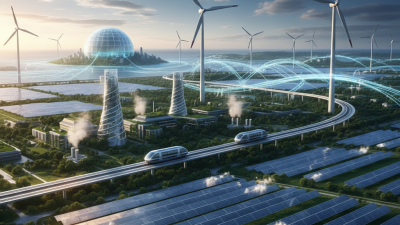
Renewable energy refers to power derived from resources that are continually replenished, such as sunlight, wind, and water. This definition is critical as the world confronts climate change. Currently, renewable energy accounts for about 29% of global electricity generation, according to the International Energy Agency (IEA). The transition to renewable energy is no longer optional; it is essential for sustainable development.
However, despite impressive growth, challenges remain. Inconsistent policies and technological limitations hinder progress. Reportedly, only 10% of global energy consumption comes from renewable sources, highlighting that more needs to be done. The disparity between renewable energy generation and fossil fuel dependency compounded by market volatility complicates the energy landscape.
Investing in renewable energy can spur economic growth and create jobs. The International Renewable Energy Agency (IRENA) notes that 12 million people are already employed in the renewable sector. This potential is laudable but requires forward-thinking strategies to overcome existing barriers. Addressing misinformation and promoting awareness about renewable energy’s benefits are crucial for a sustainable future.
Definition of Renewable Energy and Its Various Forms
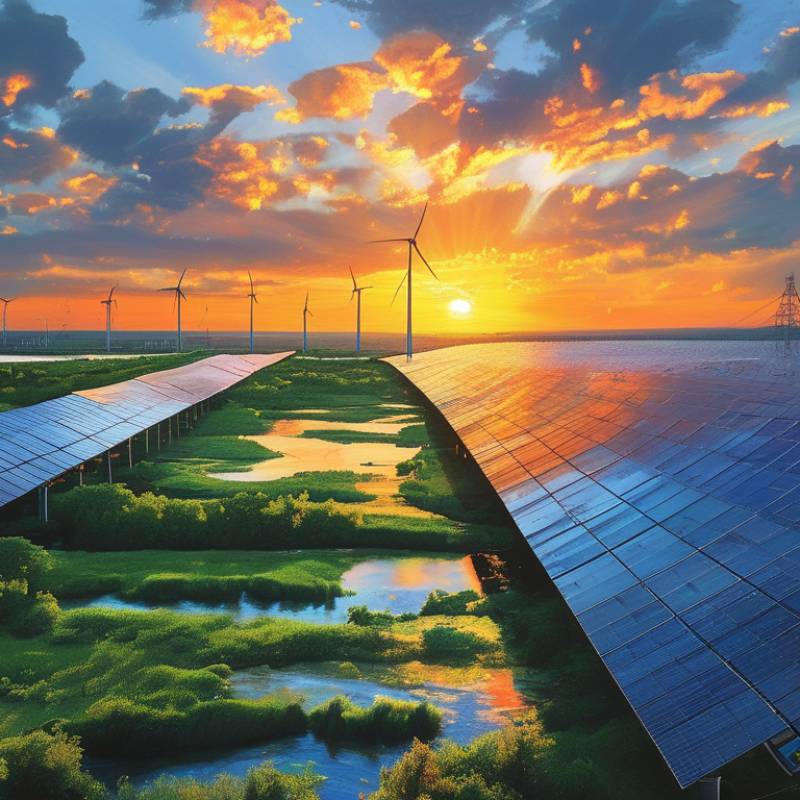
Renewable energy refers to energy derived from sources that are naturally replenished. This includes solar, wind, hydro, geothermal, and biomass energy. These sources are essential because they contribute to a sustainable energy future. Unlike fossil fuels, renewable resources produce little to no greenhouse gas emissions. They help combat climate change and reduce air pollution.
Solar energy, for instance, harnesses sunlight through photovoltaic cells. Wind energy captures the kinetic energy of wind through turbines. Hydropower uses flowing water to generate electricity. Each of these forms plays a crucial role in the energy landscape. However, they also come with challenges. Solar panels require significant land use, while wind farms can affect bird populations. It’s vital to consider these impacts when promoting renewables.
The shift towards renewable energy is not just an environmental necessity but a social challenge as well. Transitioning our energy systems requires substantial investment and political will. Local communities must engage in discussions about energy production and its implications. The effectiveness of renewable energy will depend on our ability to balance growth with environmental stewardship.
Historical Development of Renewable Energy Sources
The journey of renewable energy sources has been long and transformative. For centuries, humans relied on natural elements like wind, sunlight, and water for power. Ancient civilizations used wind to navigate and water to irrigate lands. This laid the foundation for today’s renewable energy systems. Despite the advancements, the transition has not been seamless.
In the 19th century, the Industrial Revolution sparked new energy demands. Coal and oil dominated the scene, overshadowing traditional renewable sources. This shift raised environmental concerns. Industrial activities began polluting land and air. The consequences of relying heavily on fossil fuels became evident. Renewables began to resurface as a vital alternative.
In recent decades, technological advancements have reignited interest in renewable energy. Solar panels and wind turbines have become more efficient and affordable. Despite these improvements, challenges remain. The intermittent nature of renewable sources presents reliability issues. The global need for energy continues to grow, urging deeper exploration into sustainable solutions. Acknowledging the past can guide us toward a cleaner energy future.
What is Renewable Energy and Why Does It Matter? - Historical Development of Renewable Energy Sources
| Year |
Event |
Type of Renewable Energy |
Significance |
| 1850 |
First Windmill for Electricity Generation |
Wind Energy |
Pioneered the use of wind for powering electrical devices. |
| 1890 |
Development of Solar Water Heaters |
Solar Energy |
Marked the beginning of harnessing solar energy for domestic use. |
| 1970s |
Oil Crisis Accelerates Interest in Renewable Energy |
Various |
Led to governmental support and funding for renewable technologies. |
| 1990 |
Expansion of Solar Power Installations |
Solar Energy |
Increased efficiency and affordability led to mass adoption. |
| 2000s |
Introduction of Feed-in Tariffs |
Various |
Encouraged investment in renewable energy technologies. |
| 2020 |
Global Push for Net Zero Emissions |
Various |
Renewed focus on sustainability and clean energy solutions. |
Benefits of Renewable Energy for the Environment and Society
Renewable energy plays a critical role in our environment and society. It harnesses energy from natural sources like the sun, wind, and water. These resources are abundant and continuously replenished. The shift from fossil fuels to renewable energy can significantly reduce greenhouse gas emissions. This reduction is vital for combating climate change. When we decrease emissions, we improve air quality, which can lead to better health outcomes for communities. Cleaner air means fewer respiratory diseases and other health issues.
The economic benefits are impressive too. Renewable energy can create jobs in manufacturing, installation, and maintenance. These jobs tend to be stable and often stay in local communities. However, transitioning to renewables isn't always straightforward. There are challenges with energy storage and grid integration. Some regions may struggle with these technologies. Investment in infrastructure is necessary, but it can be difficult to secure funding.
Society can also benefit from energy independence. Relying on local resources reduces vulnerabilities associated with foreign energy sources. Yet, the initial investment in renewable technologies can be daunting. Policy support is essential to encourage broader adoption. Ultimately, the advantages can lead to a sustainable, resilient future.
Challenges and Limitations of Renewable Energy Adoption
The adoption of renewable energy faces several significant challenges. One major issue is intermittency. Many renewable sources, like solar and wind, depend on weather conditions. When the sun doesn’t shine or the wind doesn’t blow, energy generation drops. This fluctuation can strain existing power grids and create reliability concerns for users.
Infrastructure is another hurdle. Many regions lack the necessary systems to support renewable energy. Upgrading these systems requires substantial investment and planning. Financial and political obstacles can delay such upgrades. In addition, public perception often complicates matters. Some communities resist new renewable projects, fearing environmental impacts or changes in landscape.
Lastly, storage technology remains a critical area needing improvement. Efficiently storing renewable energy for later use is essential. Current battery technologies may not always meet demand, limiting the efficacy of renewables. Exploring solutions to these challenges is crucial. Addressing these aspects can pave the way for broader adoption of cleaner energy sources.
Future Trends and Innovations in Renewable Energy Technologies
The landscape of renewable energy is evolving rapidly, driven by innovations. Solar panels are becoming more efficient, converting sunlight to energy with minimal waste. Wind turbines are also seeing advancements in design. They now harness wind power more effectively, requiring less space.
Energy storage is another key focus. Technologies like advanced batteries are emerging. They store excess energy for use during peak demand. This shift is crucial for stabilizing grids and ensuring reliable sources. Communities are exploring microgrids for local energy independence. This decentralization offers resilience against outages.
Despite this progress, challenges remain. Not all renewable technologies are cost-effective yet. There is also concern about environmental impacts during manufacturing. Policymakers must address these issues to promote sustainable growth. Public awareness and education are essential to foster acceptance. Encouragingly, communities are advocating for clearer regulations to support renewable energy projects.
Renewable Energy Generation by Source (2023)