How to Source Green Power for Your Business Needs?
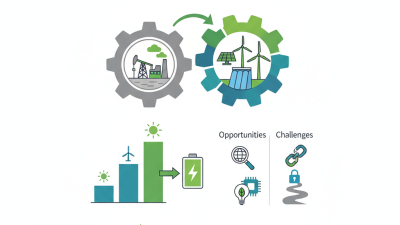
As businesses seek sustainable solutions, sourcing green power has become essential. According to a 2021 report by the International Energy Agency, renewable energy sources accounted for nearly 30% of global electricity generation. This shift is driven by the urgency to reduce carbon emissions. Implementing green power can significantly decrease a company's carbon footprint and enhance its brand image.
However, the transition to green energy is not without challenges. Many businesses struggle with the initial costs and complexities of installation. A survey by Deloitte indicates that 70% of companies find navigating renewable energy options overwhelming. It's crucial to evaluate local renewable resource availability and pricing structures.
The evolving regulatory landscape also impacts sourcing decisions. Policies promoting green power can vary by region. Companies must stay informed about incentives and potential barriers to ensure a smooth transition. Gathering reliable data on available green power options is critical for businesses aiming to make informed decisions. Investing in green power is not just an ethical choice but a strategic necessity in today’s competitive market.

Understanding the Basics of Green Power and Its Importance for Businesses
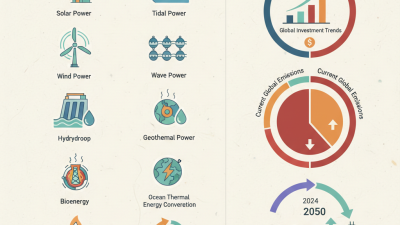
Understanding green power is essential for modern businesses. Green power comes from renewable sources like solar, wind, and hydropower. It reduces reliance on fossil fuels, which is crucial in combating climate change. Many consumers prefer businesses that prioritize sustainability. Using green power can enhance your brand’s image and attract eco-conscious customers.
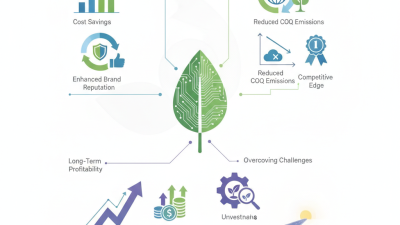
The importance of green power extends beyond environmental benefits. It often leads to cost savings over time. Energy efficiency can translate into lower operational costs. However, many businesses face challenges in sourcing green energy. The market can be confusing. Companies must navigate contracts, certifications, and local regulations. Missteps can lead to wasted resources.
Investing in green power requires careful planning. It’s important to assess your energy needs accurately. Some businesses may struggle to transition to renewable energy quickly. Short-term hurdles include high upfront costs or limited availability of local sources. Reflecting on these challenges can guide future decisions. Making a gradual shift can be a more practical approach. Embracing green power not only benefits the planet but also strengthens your business in the long run.
Evaluating Your Business's Energy Needs and Consumption Patterns
Understanding your business's energy needs is crucial. Start by analyzing historical usage patterns. Look at your monthly energy bills. Identify peak usage times. This can guide your green power sourcing decisions.
Tip: Use energy monitoring tools. These help you see real-time usage. They can highlight inefficiencies and peak demand times.
Consider the type of energy your business utilizes. Are there portions of your operation that require more power during specific hours? Knowing this can help you negotiate better contracts.
Tip: Engage with energy consultants. Their expertise can provide insights tailored to your specific situation. They can help identify renewable sources that align with your needs and budget.
Reflect on your business goals. Does sustainability play a role in your brand identity? Communicating your commitment to green energy can enhance your reputation.
Think about how changes in energy consumption affect costs. Transitioning to green power may not provide instant savings, but it builds long-term value. Evaluate your options carefully, as not all solutions are suitable for every business type.
Energy Consumption Patterns of Businesses
This chart illustrates the annual energy consumption across different business sizes, highlighting the varying energy needs that can inform sourcing strategies for green power.
Exploring Different Sources of Green Power: Renewable Options Explained
Finding the right source of green power for your business can be complex. Various renewable options are available, each with unique benefits and challenges.
Solar power is one of the most popular choices. Installing solar panels on rooftops or in remote areas capitalizes on sunlight. However, high initial costs and space limitations can be barriers.
Wind energy is another viable option. It harnesses wind currents through turbines. This form of energy is clean, yet its effectiveness depends on location. Businesses in regions with strong and consistent winds can benefit greatly. But, not every location is suitable for wind farms, which necessitates careful planning.
Biomass energy also presents a compelling choice. This method converts organic materials into fuel. While it can reduce waste, sourcing reliable raw materials poses a challenge. Additionally, ensuring the sustainability of biomass resources requires ongoing assessment. Each renewable option requires a thorough understanding. It’s vital to weigh the pros and cons before committing to a specific form of green power.
Assessing Green Power Providers: What to Look For and Industry Standards
When evaluating green power providers, it’s crucial to assess their commitment to sustainability. Look for certifications that demonstrate adherence to industry standards. These can include renewable energy certificates or participation in reputable environmental programs. This information can convey a provider's genuine commitment to green energy.
Another important factor is the sourcing transparency. Ask your potential providers where they obtain their energy. Knowing the origin of their renewable sources mitigates the risk of greenwashing. Look for clear and accessible information regarding their energy generation process and the technologies they use.
Consider the flexibility in their offerings. Some providers may offer tailored solutions that fit your specific business needs. Flexibility in contract terms and pricing can also help you adjust as your energy requirements change over time. It’s essential to reflect on these aspects while making your decision. Sustainable energy should not just be a checkbox for your business.
Calculating the Financial Impact of Sourcing Green Power Solutions for Business
Sourcing green power can significantly impact your business's financial health. Companies must understand the costs associated with renewable energy versus conventional sources. For example, transitioning to solar or wind power may have high initial costs, but it can yield long-term savings on energy bills. Analyzing the payback period is crucial to making informed decisions.
Tips: Consider conducting a feasibility study. This study should assess potential energy savings and environmental benefits. Engaging with energy experts can provide insights into available incentives and rebates. Remember that local policies can affect costs as well.
Another aspect to evaluate is the fluctuations in energy prices. Conventional energy often faces price volatility, while renewable solutions tend to stay stable. This long-term predictability can aid budgeting and improve overall financial planning.
Tips: Explore community solar programs or green energy certificates. These options can lower upfront investments while promoting sustainability. Don’t overlook the importance of monitoring and reporting your energy usage. Transparent tracking can help identify areas for improvement.
How to Source Green Power for Your Business Needs?
| Energy Source |
Cost per kWh ($) |
Estimated Annual Usage (kWh) |
Annual Cost ($) |
CO2 Emissions Offset (metric tons) |
| Solar Power |
0.08 |
50000 |
4000 |
35 |
| Wind Power |
0.06 |
60000 |
3600 |
50 |
| Hydropower |
0.07 |
70000 |
4900 |
45 |
| Biomass |
0.09 |
40000 |
3600 |
30 |