What Is the Best Hybrid Generator in 2026? The answer depends on what you need it to do. A hybrid generator may pair an engine with battery storage, renewable input, or both. That combination can reduce fuel use and noise in some settings. It can also add cost and complexity. The label alone proves little.
Peter Lilienthal, HOMER Energy’s founder and a specialist in microgrid modeling, has emphasized a practical design principle. Paraphrased: “Choose the system around the load, available energy sources, and operating conditions—not one headline specification.” That is a useful lens, not a verified verbatim quotation. It helps keep comparisons grounded.
Start with the job. Will the unit support a quiet campsite, a home backup circuit, or a worksite with changing loads? Compare continuous output, surge capacity, battery storage, charging options, fuel availability, and noise ratings. Check the warranty and service network, too. A bright display is reassuring. It is not proof of durability.
Real-world details matter. A generator that handles a refrigerator’s startup surge may still struggle with several tools running together. Cold weather can affect battery performance. So can poor maintenance. There is no perfect model for every buyer.
This guide compares leading options for 2026 using published specifications and practical ownership considerations. Where product data is limited, that uncertainty deserves attention. The best hybrid generator is not always the most powerful one. It is the model that fits your actual loads, budget, and willingness to maintain it.
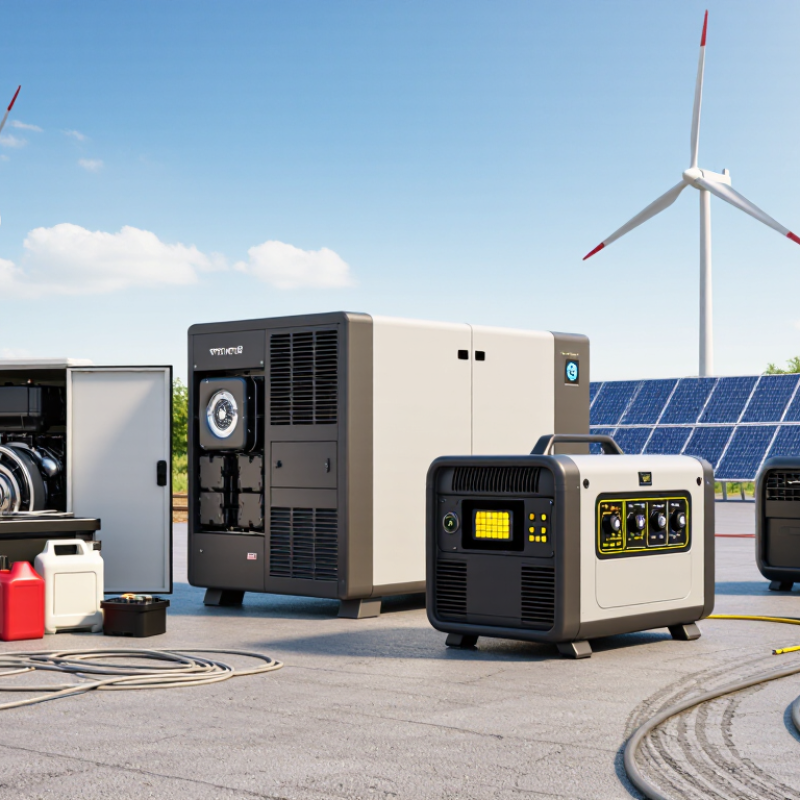
A hybrid generator combines an engine-driven generator with battery storage and power electronics. The battery can supply electricity for lighter loads, such as lights or a small refrigerator. When demand rises or the battery needs charging, the engine can run. A conventional generator usually relies on its engine and alternator to provide power directly. It may run continuously, even when connected devices need little electricity. The exact design varies, so “hybrid” does not describe one standard configuration.
Tips: Check the battery’s usable capacity, continuous output, and recharge time. Compare those figures with the appliances you actually plan to run. A refrigerator’s startup demand can exceed its normal running draw. Leave a safety margin.
In practical use, battery power can mean less engine noise during quiet periods and lower fuel use under light loads. But performance depends on the system, load, and operating conditions. Hybrid units can also weigh more and cost more than simpler models. The battery adds another component to maintain or eventually replace. The label alone proves little. For a cabin or backup setup, consider runtime, charging options, service support, and ventilation needs. The “best” choice is the one that meets your measured power needs without relying on optimistic estimates.
What Is the Best Hybrid Generator in 2026?
A hybrid generator system pairs two or more power sources, often solar panels, battery storage, and a fuel-powered generator. Each source handles a different part of the job. Solar panels produce electricity in daylight, while the battery stores surplus energy for later use. When stored power runs low or demand rises, the generator can supply electricity and recharge the battery. Not one source.
A controller coordinates the flow of power. In daylight, it may direct solar energy to active loads first, then charge the battery. At night, the battery can run lights, a refrigerator, or communications equipment without starting the generator. During cloudy weather or sustained heavy use, the generator can step in. The exact sequence depends on system settings and load requirements.
For practical selection, compare continuous output, battery capacity, recharge time, and expected daily demand. A household with modest evening use needs a different balance than a worksite running pumps or tools. Fuel use and generator noise matter, too. There is a trade-off: adding battery capacity can reduce generator runtime, but it also raises system cost. Real systems can be less tidy than diagrams suggest; poor sizing or control settings may leave useful solar power unused. The best arrangement depends on measured loads, local sunlight, and how often backup power is needed.
How hybrid generator systems combine power sources
How to read this example: Solar panels provide renewable power when sunlight is available; a battery stores energy for later use; and a fuel-powered generator can provide backup when solar and stored energy are insufficient. The chart compares example component power ratings in kilowatts—not measured output or a universal recommendation. Real output depends on sunlight, load, battery capacity, and system design.
When comparing hybrid generators in 2026, start by checking what “hybrid” means for each model. Some pair a fuel-powered engine with battery storage; others use different charging arrangements. Read the specifications carefully. A refrigerator may run easily, while its startup surge briefly demands much more power. Compare continuous output and peak output with the appliances you actually plan to use. Peak numbers alone can be misleading.
Check usable battery capacity, charging time, and runtime at a stated load. Runtime figures vary with workload, temperature, and battery age, so treat them as estimates rather than guarantees. That matters. Compare noise levels, weight, and available outlets, too; a heavy unit is less convenient to move across a driveway. Ask whether it can recharge from more than one source, and whether its controls clearly show remaining charge and output. Small details count.
Look for overload protection, clear operating instructions, and accessible service information. If the generator will power sensitive electronics, verify the stated power quality rather than relying on vague claims. I would also check how the unit behaves when the battery is depleted; hybrid systems can differ here. One detail is easy to miss: a low advertised noise rating may apply only at a light load. Compare conditions, not just numbers.
A hybrid generator combines two or more power sources, often a fuel-powered engine with a battery and solar panels. The best setup depends on where power is needed and how steadily it must be supplied. For a remote cabin, solar panels and battery storage can handle lights, a refrigerator, and small devices during ordinary days. A compact fuel generator can provide backup when cloudy weather lasts. But winter performance may be weaker than expected. That matters.
Tips: List essential appliances and their starting wattage. Compare that figure with the generator’s rated output, not just its peak rating. Leave room for future needs.
For a construction site or outdoor event, a generator-battery combination can reduce engine run time during quieter periods. That may help control noise and fuel use, though heavy tools still demand strong surge capacity. For an RV, portability and charging options often matter more than maximum output. A solar-battery system is quiet, but panels need sunlight and space. One easy mistake is buying for occasional peak demand while overlooking everyday runtime. Check charging speed, fuel availability, ventilation requirements, and maintenance intervals before choosing.
| Hybrid system type | How it works | Best-suited applications | Key advantages | Main trade-offs | Best fit when… |
|---|---|---|---|---|---|
| Solar + battery + diesel generator | Solar panels supply available daytime power; batteries store surplus and cover short-term demand. A diesel generator provides backup when renewable generation and stored energy are insufficient. | Remote sites, farms, telecom facilities, islanded microgrids, and locations with substantial or continuous loads. | Can reduce generator run time and fuel use when solar production and battery capacity match the load; diesel backup can provide dispatchable power. | Requires fuel storage and generator maintenance. Solar output varies with weather and daylight; batteries add upfront cost and require suitable controls and installation. | You need dependable backup for a sizeable load and have good solar exposure, but cannot rely on solar and batteries alone. |
| Solar + battery + gasoline inverter generator | A battery and inverter supply power quietly for many everyday loads; solar can recharge the battery, while a gasoline inverter generator can recharge it or serve loads when needed. | Camping, recreational vehicles, cabins, temporary work, and home backup for selected essential circuits. | Offers a flexible, relatively portable arrangement. Battery power can handle low loads without running the generator, and inverter generators generally provide regulated output suitable for many electronics. | Gasoline must be stored and replenished; runtime depends on load and fuel capacity. Portable systems are not automatically suitable for whole-home or high-starting-current loads. | Portability, quieter operation during light use, and backup for a limited set of appliances matter more than continuous high-power output. |
| Wind + battery + backup generator | A wind turbine generates electricity when wind conditions are suitable. A battery smooths short-term changes and stores energy; a backup generator covers prolonged low-wind periods or demand peaks. | Exposed rural properties, remote monitoring sites, and off-grid locations with a reliable local wind resource. | Wind can complement solar where wind is available at different times, including some night-time or seasonal periods. Storage helps manage variable output. | Output depends strongly on site-specific wind speed, turbulence, and turbine siting. Turbines need appropriate installation and maintenance; a backup source may still be needed. | A measured wind assessment shows a useful resource and solar alone would leave significant generation gaps. |
| Solar + wind + battery + backup generator | Solar and wind feed a shared electrical system; batteries store energy and balance short-term fluctuations. A backup generator supplies power during extended renewable shortfalls or unusually high demand. | Remote microgrids, isolated communities, and sites with complementary solar and wind resources. | Diversifying renewable inputs can reduce dependence on a single weather pattern. A generator can add resilience when renewable generation and stored energy are inadequate. | More equipment and control complexity than a single-renewable system. It is most effective when both resources are assessed carefully and the system is designed around actual loads. | The site has good, complementary solar and wind resources and needs a resilient system rather than the simplest setup. |
| Fuel cell + battery hybrid | A fuel cell converts a supplied fuel into electricity; a battery handles rapid changes in demand and can store electrical energy. The overall emissions depend on the fuel and how it is produced. | Selected stationary, backup, material-handling, or specialty installations where suitable fuel supply and system support are available. | Can provide steady electrical output with battery support for load changes. Depending on the fuel-cell technology and fuel, local operation may have low pollutant emissions. | Fuel availability, storage, infrastructure, capital cost, and specialist servicing can limit practicality. A fuel cell is not inherently renewable or zero-emission across its full supply chain. | A compatible fuel supply and technical support are available, and the application benefits from steady output with battery buffering. |
There is no single best hybrid generator for every user. Compare the required continuous and peak power, daily energy use, runtime, fuel availability, local renewable resources, noise limits, maintenance capacity, and total installed cost. Actual performance varies with system design, site conditions, and operating loads.
Start with the loads you cannot afford to lose. Add their running wattages, then check the largest motor’s starting surge; a well pump or refrigerator can briefly demand much more power. Compare these figures with the unit’s continuous and surge ratings, not just its headline maximum. Measure real demand. A plug-in power meter or electrician’s load assessment can reveal which appliances actually run together.
Next, size storage around quiet hours and expected outages. The U.S. Energy Information Administration reported that customers averaged about 5.5 hours of electricity interruptions in 2022, including major events. That is a reference point, not a guarantee for your location. Review local outage records and decide how long the battery must carry essential loads before the engine starts. The U.S. Department of Energy’s 2022 Energy Storage Grand Challenge assessment uses roughly 85% round-trip efficiency for lithium-ion batteries. In practice, usable capacity is lower after conversion losses and reserve settings.
Check fuel availability, ventilation, noise limits, maintenance access, and whether solar panels can charge the battery. Ask for performance figures at your expected load; engine efficiency can change substantially when a generator runs lightly. I would leave some capacity in reserve, especially for cold starts or future equipment. Oversizing costs money, though, and I have seen “extra margin” become unused hardware. Compare total running costs, not only purchase price, and confirm the system can switch between battery and generator without interrupting sensitive equipment.